Medici Residency Daniel Arasse with the École française de Rome
Art history
Biography
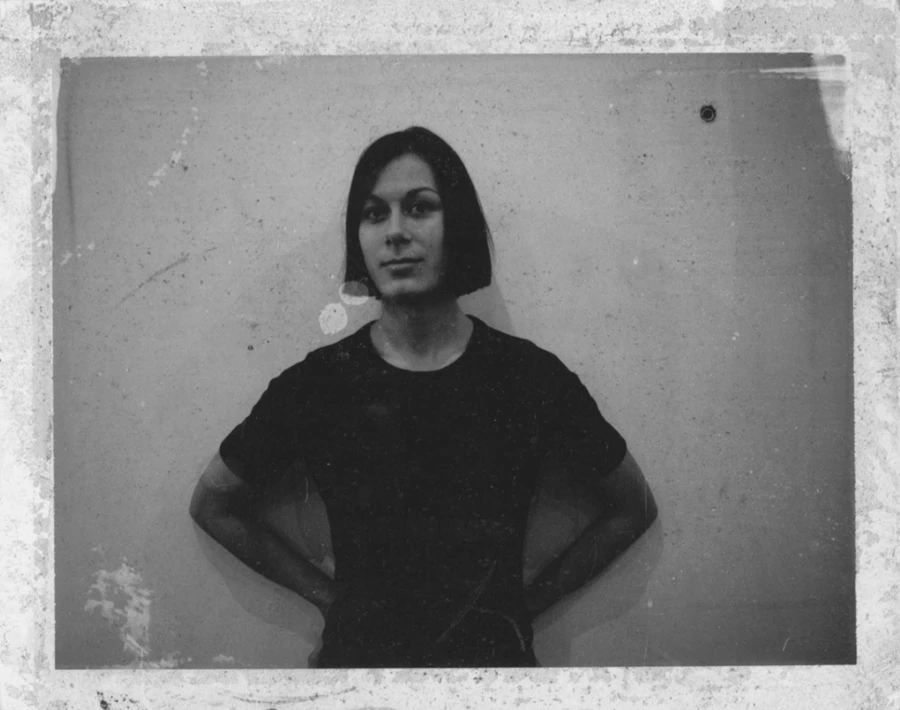
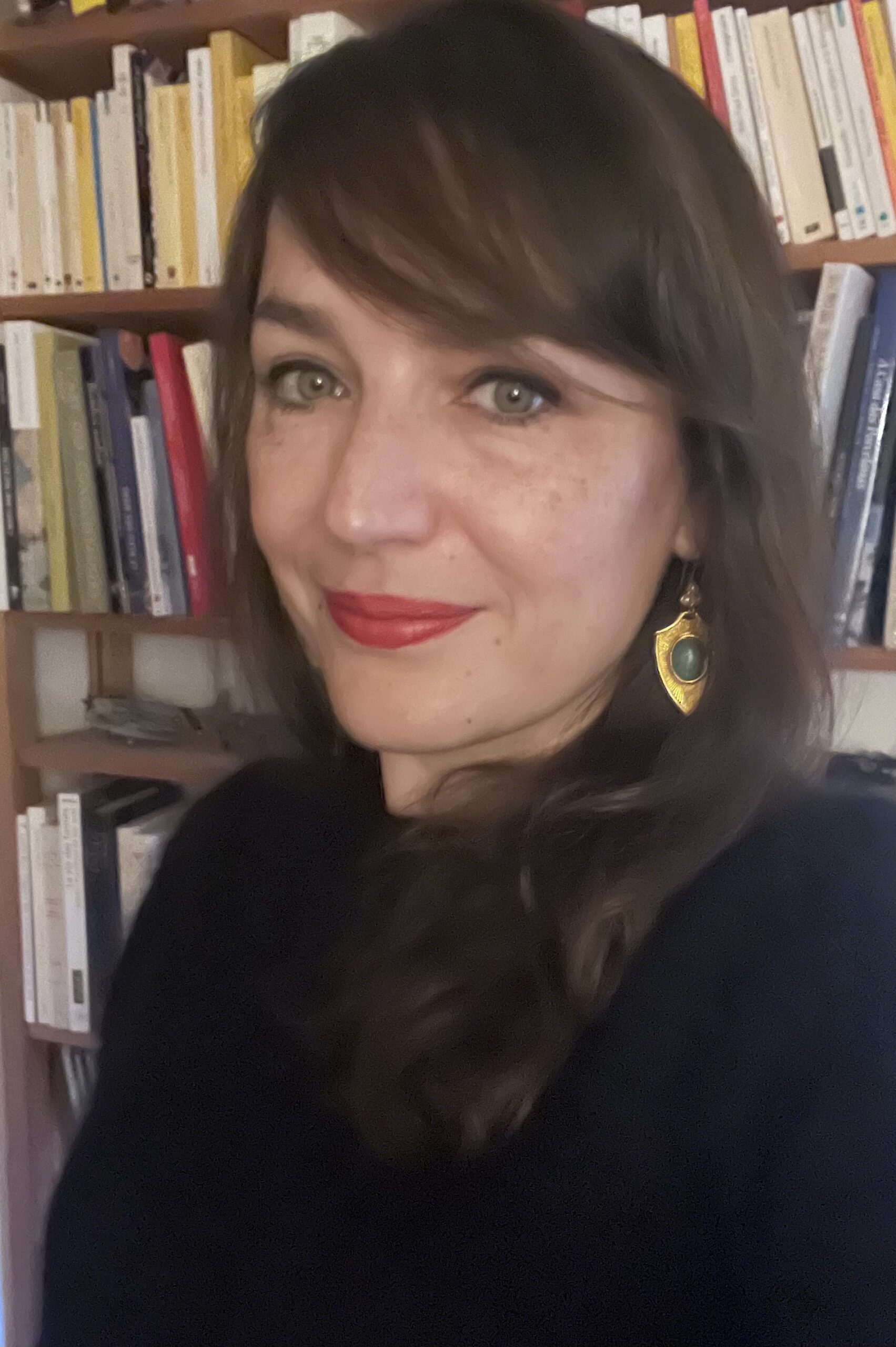
A doctoral student at the Ecole des Hautes Etudes en Sciences Sociales under the supervision of Giovanni Careri, Clara Lieutaghi is working on Provençal religious painting of the 15th-16th centuries, and in particular on the Pietà de Villeneuve-lès-Avignon (att. Enguerrand Quarton, c. 1455, Musée du Louvre), whose hypothetical biography she is seeking to restore by situating it in historiography, anthropology and art theory. The presence of an inscription in the upper part of this altarpiece, whose appearance and function are central to the researcher’s questions about the legibility of the object studied, leads her to consider all the epigraphs in the Provençal corpus, including those on two diptych elements in the Vatican Pinacoteca, also attributed to Enguerrand Quarton.
Project
Clara Lieutaghi’s residency at Villa Medici (Arasse grant) is an opportunity to study in depth two characters – the prophets Jeremiah and Isaiah – holding inscribed phylacteries, completing an important part of her thesis on the performance of the written word in works from the region under consideration. The bibliography available in Rome also provides an opportunity to learn more about the origins of the Pietà inscription and its significance in the spiritual literature of the 14th and 15th centuries.
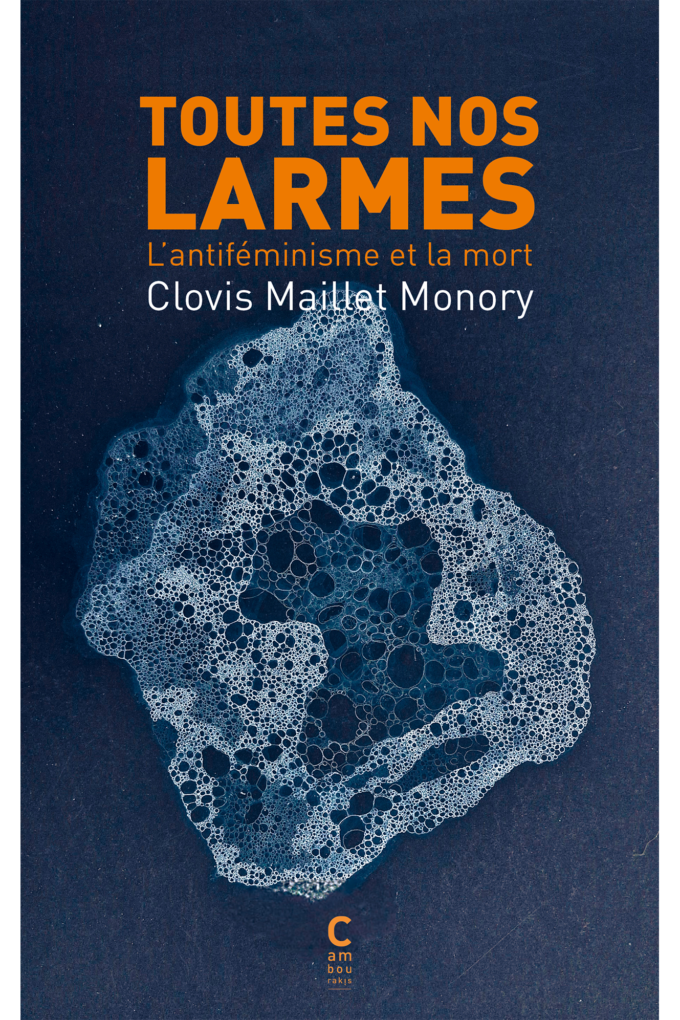
Based on the death of a mother crushed by anti-feminism and dissolved in the water of a river, a text found in the deceased’s personal belongings and the emergence of memories of what was experienced as a child, this book aims to reflect on the socio-historical condition of women and gender minorities who suffer violence and live with the dead. With overwhelming intensity, Clovis Maillet Monory’s family and historical investigation brilliantly interweaves our intimate and collective mourning.
This book is co-produced by the production grant Éditions Cambourakis x La Villa Médicis.
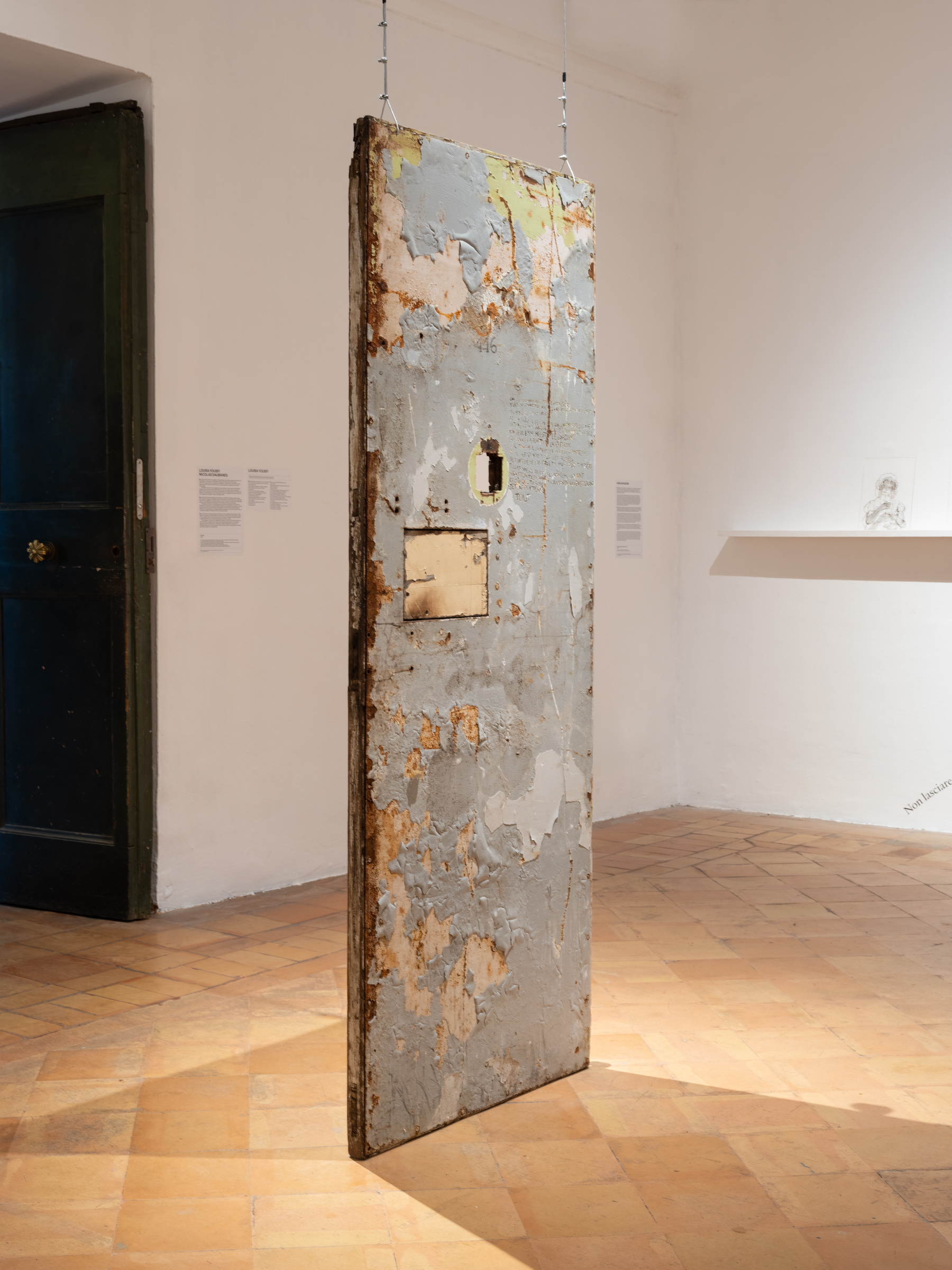
Nicolas Daubanes compares two creative sites of very different scales: the Villa Medici, a prestigious Roman residence, and the Maison Salvan, a modest village house that has become an artistic home. He thus engages in a conversation with works and historical figures such as Galileo, Ingres, Velázquez and Courbet. While some of his earlier works are also on display, the exhibition mainly features recent works from his ongoing research.
This exhibition is co-produced as part of the Maison Salvan x Villa Medici production grant.
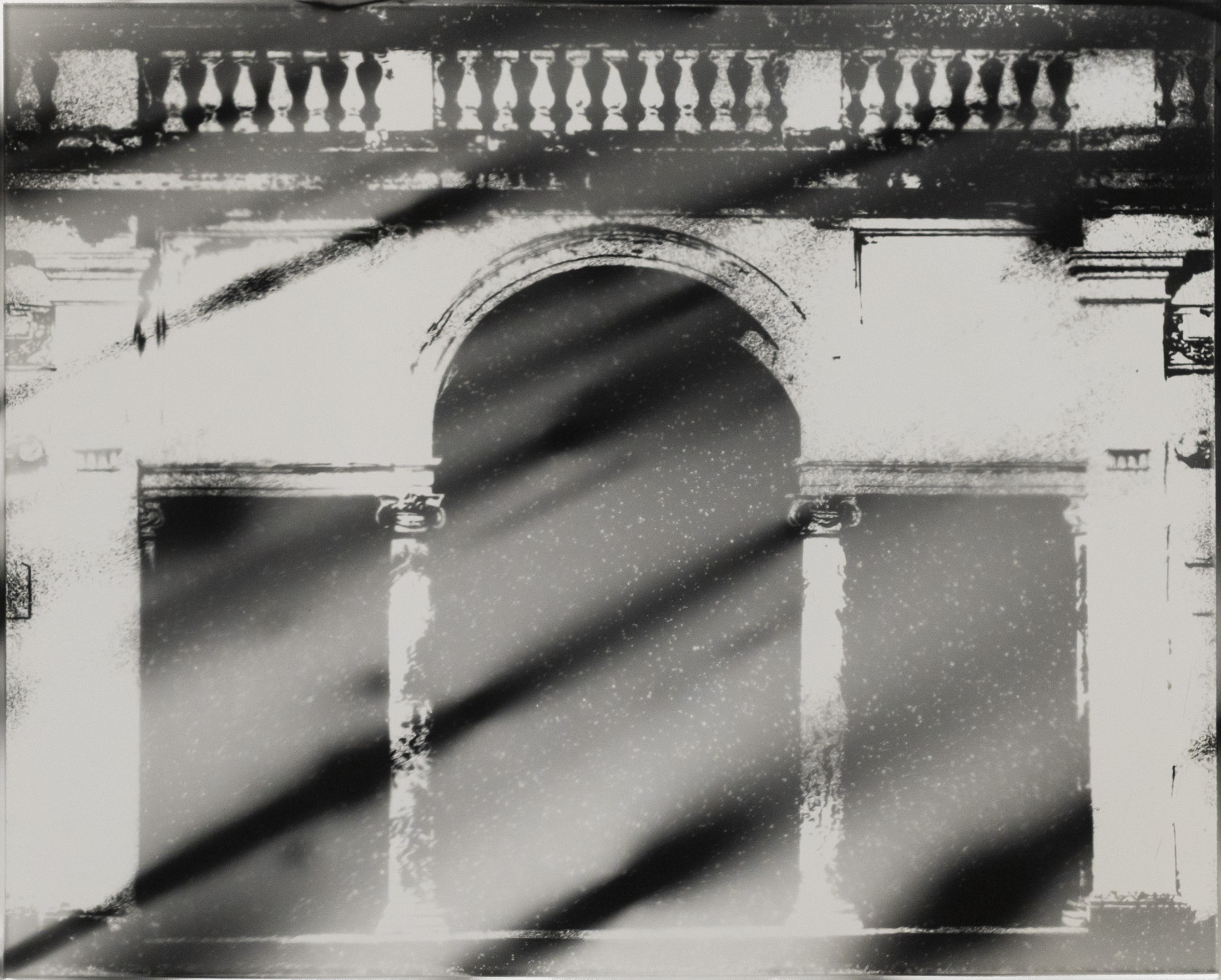
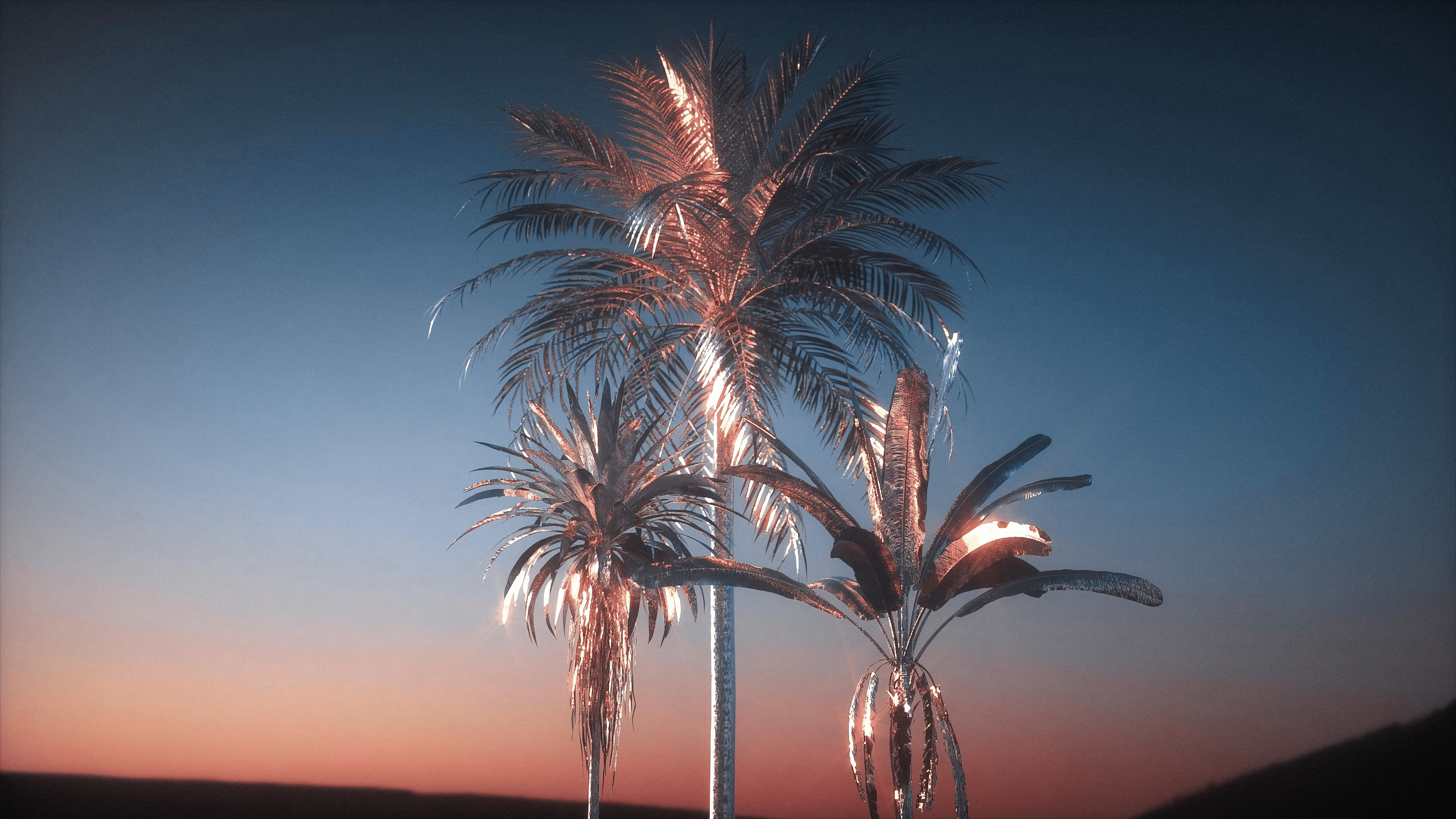
Fellow at the Villa Medici in 2024–2025, Nicolas Daubanes is the recipient of the first Prince of Monaco – Villa Medici Artistic Grant for the year 2025. In this context, he is developing the project Le feu intérieur (‘The Inner Fire’) inspired by the architecture and collections of the Villa. Nicolas Daubanes revisits the works of artists associated with the Villa, including François-Marius Granet, Camille Corot, Diego Velázquez and the engravings of Piranèse, using the photogram technique. He creates images in which light becomes matter, thanks to the photosensitive revelation of projected steel sparks.
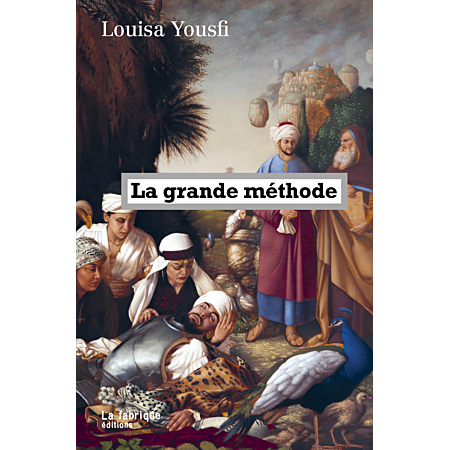
An Algerian immigrant family sets off to bury their father back home. During this journey, disturbed by apparitions, something begins to unravel: the secrets of the people that exile fails to make them forget. La grande méthode is the latest book by Louisa Yousfi, fellow in 2024-2025, and explores the delicate seam between the visible world and the invisible worlds that persist in the shadows and still inhabit “Western” minds.
This book was co-produced under the La fabrique éditions x Villa Medici production grant.
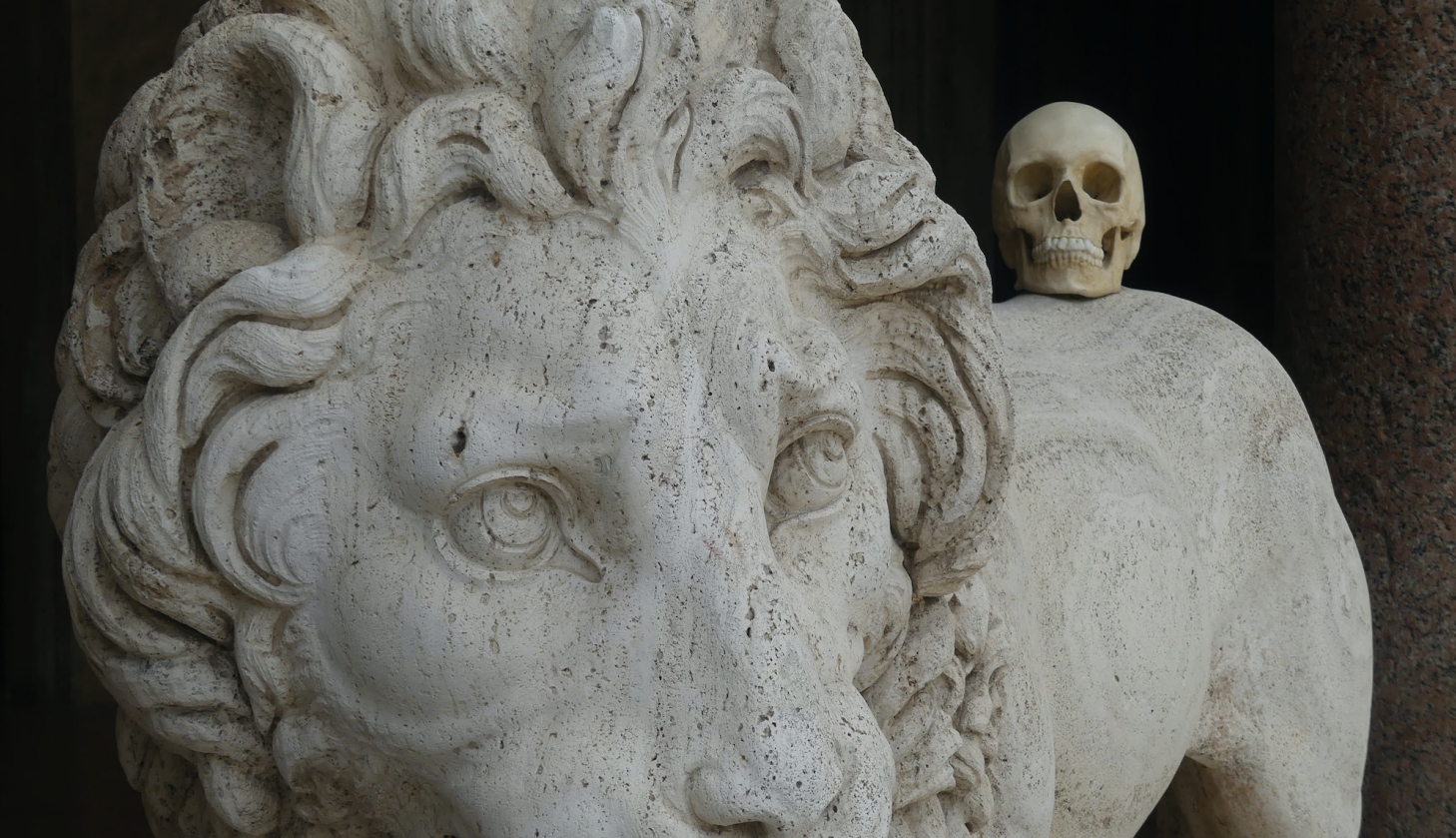
Former fellow Laure Cadot (2023-2024) is organizing and taking part in the international symposium “Preserving human remains” at the Musée du Quai Branly – Jacques Chirac. These meetings on new approaches to conservation and the care of human remains in institutions aim to highlight and discuss professional practices in the light of contemporary issues surrounding this unique heritage.
This symposium is co-produced as part of the Louis Roederer Foundation grant.
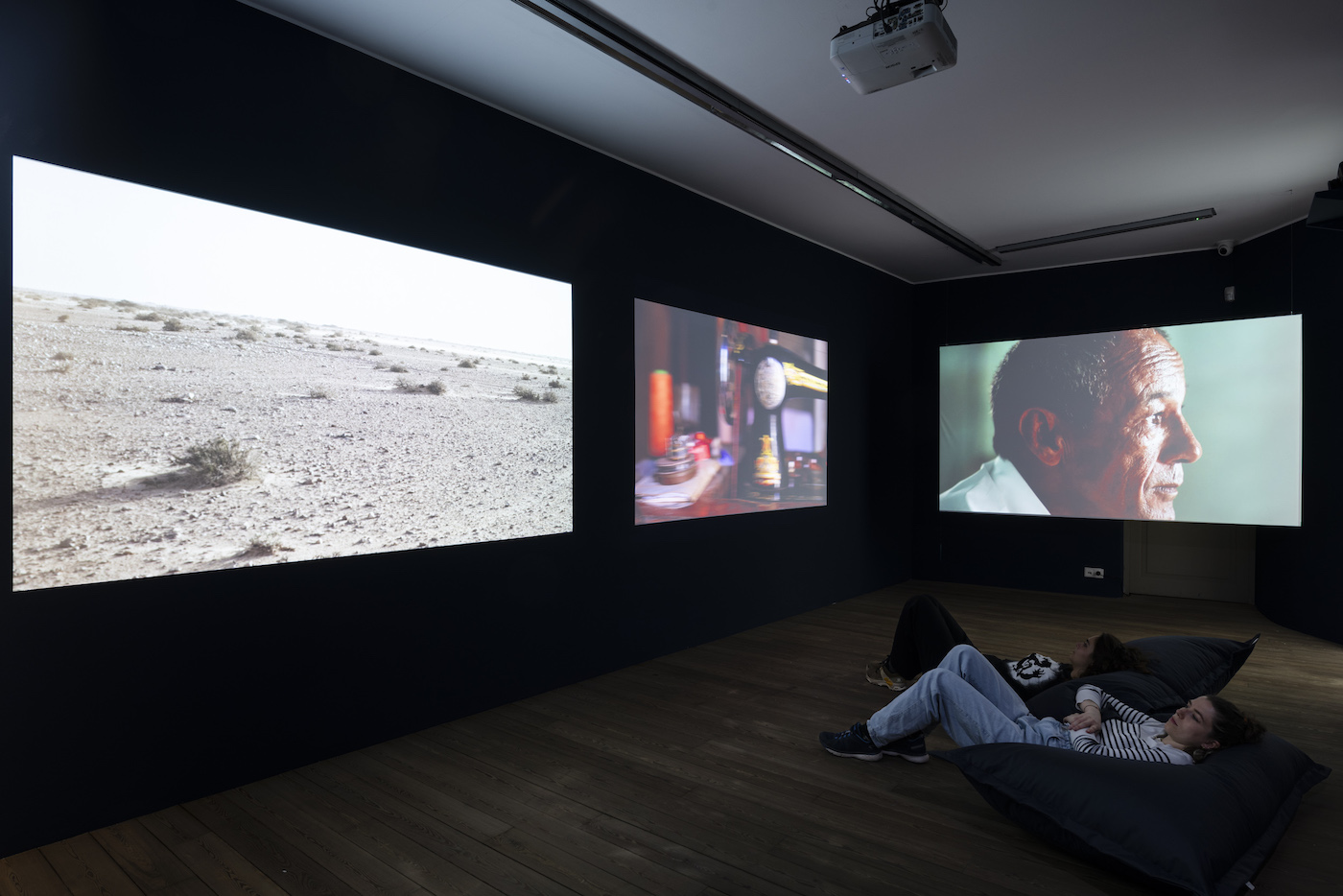
The exhibition Une pierre sous la langue (A Stone Under the Tongue) refers to a Saharan poem that recommends putting a stone under the tongue to forget, and throwing it towards the sun to remember… It brings together works created between 2021 and 2024, including two pieces from the Frac collection, as well as previously unseen works created especially for the occasion, notably during the artist’s stay at Villa Medici as a resident.
This exhibition is co-produced as part of the Louis Roederer Foundation grant.
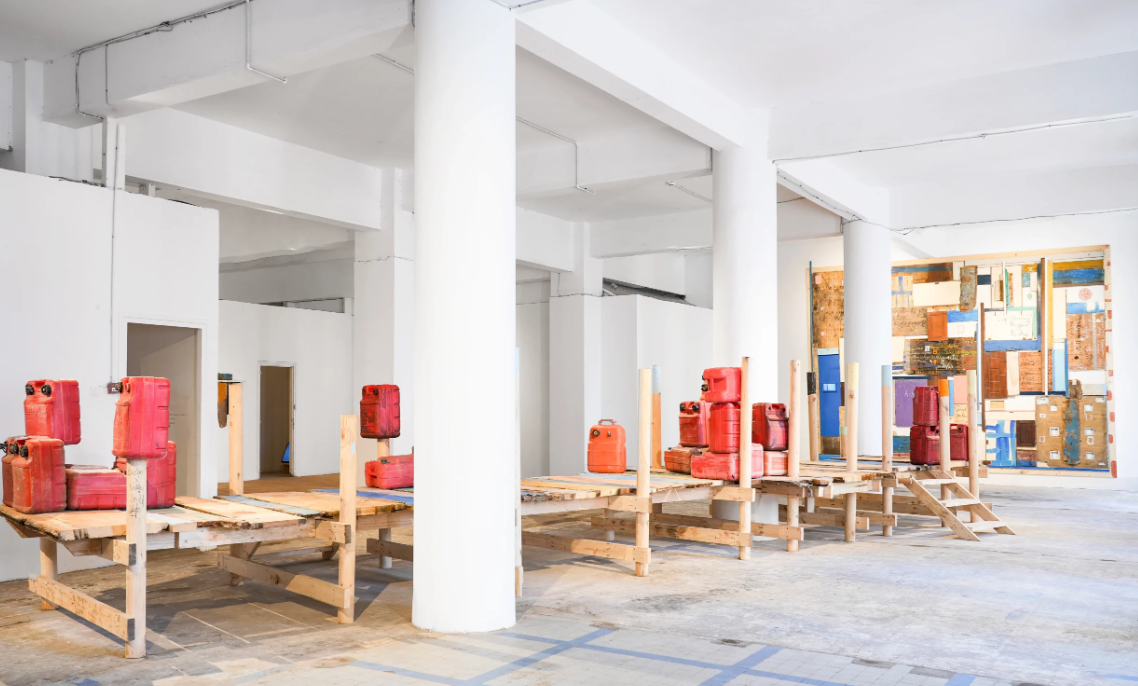
Conceived in the form of a pontoon, Les Ressources : Acte #2 (2025) is a monumental installation acting as a ship carrying found objects such as fragments of wood, ropes and jerrycans, reminiscent of all the boats that sail the open sea and, by extension, fishing activities.
This installation is co-produced as part of the Louis Roederer Foundation grant.
The exhibition takes its title from the English term ” reader “, which refers both to a publication containing a collection of texts by an author, and to the very position of reader. This unprecedented format is extended to the context of a transdisciplinary exhibition: although it has the appearance of a monograph, this exhibition brings together a multiplicity of artists, performers and researchers, whose voices resonate around Yvonne Rainer.
“Machine sensible” is an exhibition of digital, technological, trans- and multi-media works by Mounir Ayache, Diane Cescutti, Abel Techer and Raphaëlle Von Knebel, whose creations are born of a renewed attention to and mastery of textile creation, design, painting and sculpture. Each artist, through his or her visual and plastic language, questions the evolution of our condition as being-in-the-world and our coexistence on real and/or virtual territories by setting up narratives whose fictional imaginations invite us to better embrace our shared futures.
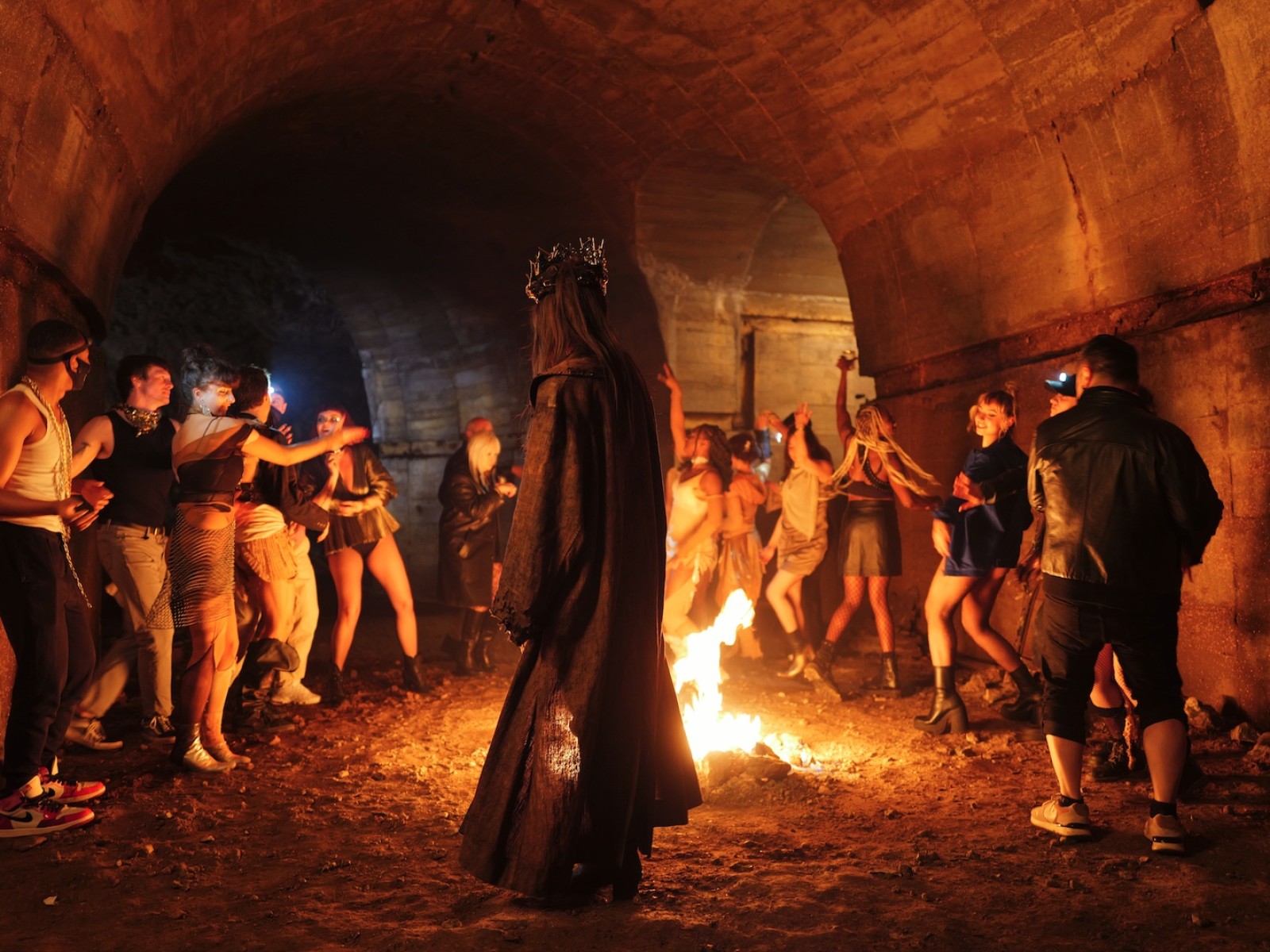
Set in little-known parts of Le Havre, Tempesta echoes the myth of Prometheus and the history of the city’s destruction. In a tableau that brings together the present and the ancient, Mali Arun summons young dancers into a world of light and shadow. Chevaldeuxtrois and Un Été Au Havre present, in coproduction with the Académie de France à Rome – Villa Médicis, a film by Mali Arun produced by Jérémy Forni.