Search
Black sun Film Club
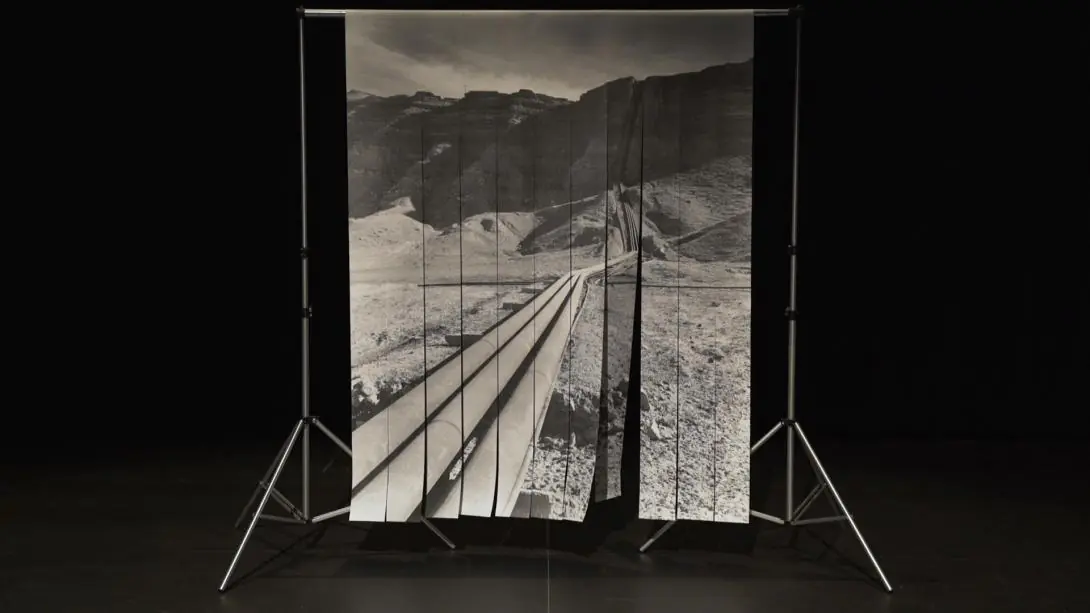
One Image, Two Acts & Scenes of Extraction, Sanaz Sohrabi
09.12.2026
- Artist
- Sanaz Sohrabi
The French Academy in Rome—Villa Medici presents a program of films, some of which have never been shown before and are being screened for the first time in Rome, in conjunction with the exhibition “Black Sun. Oil and Contemporary Art,” on view from October 9, 2026, to January 18, 2027.
This film program—featuring documentaries, archival footage, and art videos—expands on the exhibition’s exploration of oil extraction, presenting various visual approaches that challenge its hegemony, highlight spaces of resistance, and reimagine dominant and colonial narratives.
The second event of the Black sun film club—three sessions of “petrocinema”— invites us to discover the first two installments of the trilogy by Sanaz Sohrabi, a Canadian filmmaker born in Tehran. Focusing on the visual history of resource extraction in Iran by British Petroleum, this trilogy opens here with One Image, Two Acts and Scene of Extraction, screened in conjunction with the third installment, An Incomplete Calendar, presented this year at Villa Medici Film Festival. Drawing on archival footage and photography, these films examine the ideology of colonial modernity in Iran.
How can images and the camera be used to support the establishment of an oil industrial complex by a colonial power?
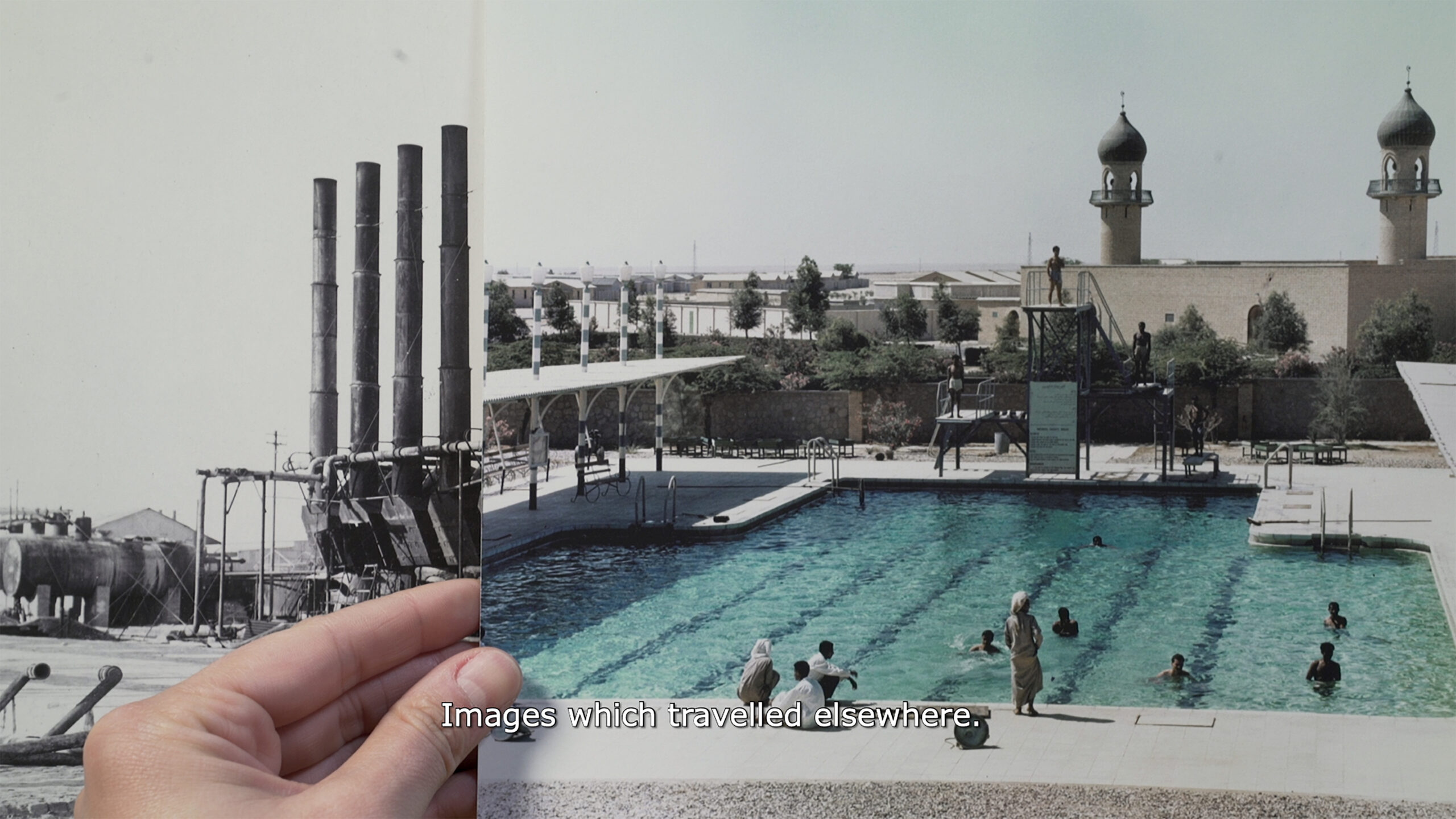
One Image, Two Acts (2020, 44 min)
Between 1908 and 1951, the Anglo-Iranian Oil Company (AIOC)—now British Petroleum (BP)—strategically used the production of ethnographic films and photographs to promote and represent its colonial projects in Iran. By exploring the relationship between petro-modernity and photography and film as technologies of coloniality, One Image, Two Acts dissects the spatial and cultural manifestations of this emerging image economy, which operated in tandem with the oil complex as a whole.
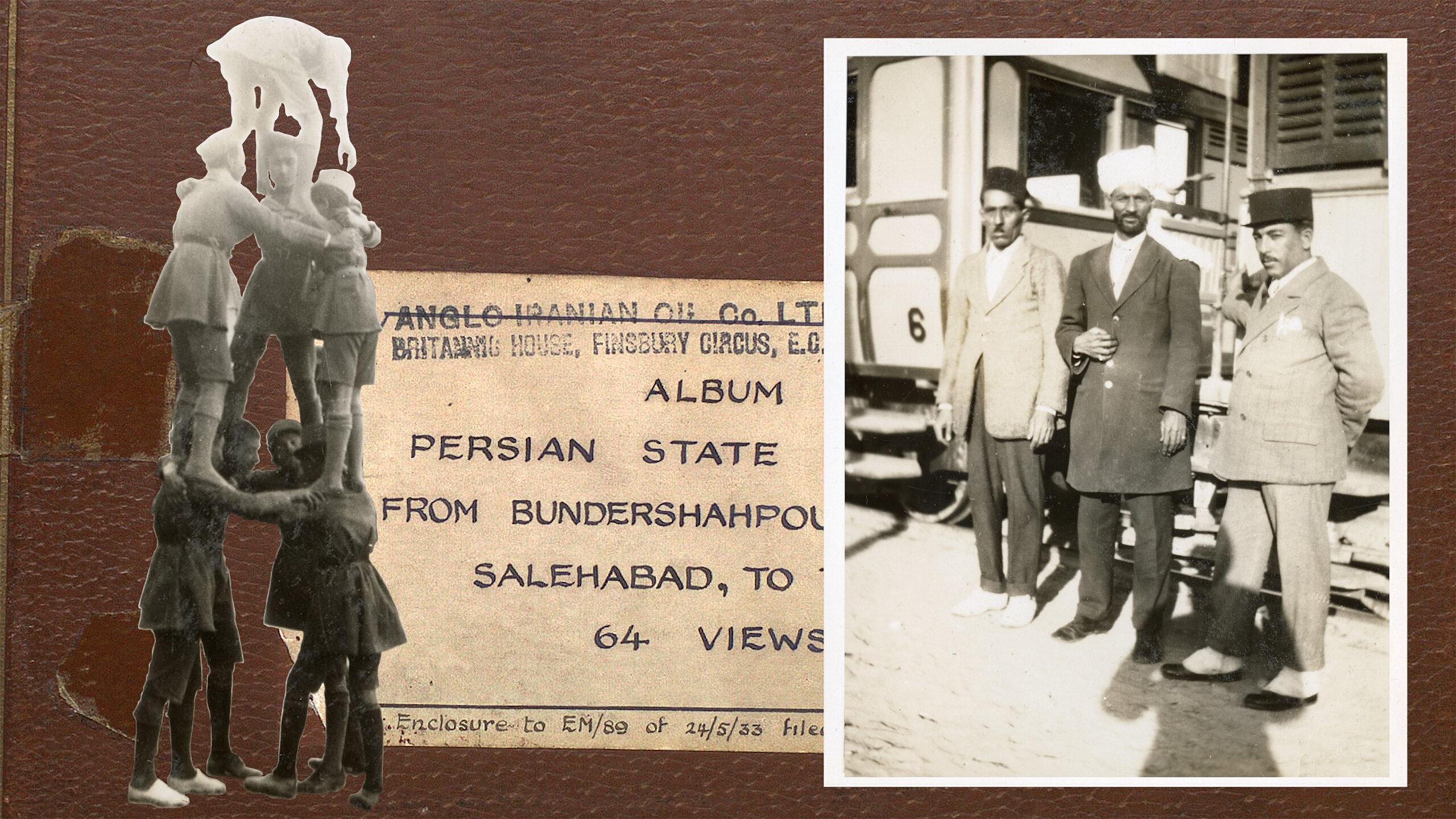
Scenes of Extraction (2023, 43 min)
Between 1901 and 1951, British oil companies operating in Iran intensified their geological expeditions and refined their geophysical methods in order to locate commercially viable oil deposits throughout their oil concession. Scenes of Extraction takes the viewer on a journey through the archives of British Petroleum to uncover the still and moving images that documented this vast colonial network of geological exploration stretching across Iran, but also reaching other British oil concessions in Papua and Southeast Asia.
The film explores the technical and social connections between oil infrastructure and the camera during operations conducted by British Petroleum in Iran’s oil belt. Scenes of Extraction sifts through decades of archival footage to dissect the visual history of “reflection seismology,” an oil exploration method that was extensively tested in Iran’s oil belt despite its destructive and unpredictable nature.
Soleil Noir Film Club. Three Petro-Cinema Events
The exhibition
From October 9, 2026, to January 18, 2027, the Villa Medici will present the exhibition Black Sun. Oil and Contemporary Art, curated by Morad Montazami and Madeleine de Colnet (Zaman Books & Curating). The exhibition explores the theme of “petromodernity” and its impact on artistic practices and our collective imagination. By exploring the “dangerous liaisons” between art and oil, the exhibition examines the power dynamics between the Global South and the Global North—rooted in extraction policies, particularly during the postcolonial period—to offer a critical perspective on petromodernity amid a context of political and climate emergency.
The Film Club
The Black sun Film Club—Three Petrocinema Screenings, proposes to explore these ideas further through the medium of film—documentaries, archival footage, and art videos—in a series of events designed to examine the geographic, ecological, social, infrastructural, and political dimensions of oil extraction, as well as its impacts on daily life. Conceived as an extension of the exhibition spaces, this program takes place in the Michel Piccoli cinema at the Villa Médicis. These three events invite viewers on a journey through various geographic regions and perspectives on oil, presenting different visions and testimonies that challenge the dominance of oil in all its forms, as well as the critical spaces fighting against its hegemony.
Program
Wednesday, October 28, 2026
Black Sea Files, Ursula Biemann (2005, 43 min)
“Black Sea Files” is a regional study of the oil geography of the Caspian Sea: the world’s oldest oil-producing region. A massive underground oil pipeline crossing the Caucasus will soon transport Caspian crude oil to the West. This pipeline, connecting the outermost reaches of the oil reserves to the terminal of the global high-tech oil distribution system, serves as the central theme of the video.
Bypassing the region’s major players, the video sheds light on a multitude of secondary realities. This oil pipeline is a geostrategic project with significant political implications, not only for the region’s powerful figures but also for a large portion of the local population: farmers, oil workers, migrants, and sex workers—all of whom appear and contribute to a human geography that challenges the symbolic practices, often unique and powerful, of oil companies and politicians in the sector. It is these subjects who appear in the video, transforming the technological endeavor of the pipeline project into a complex human geography.
Extended hours for the exhibition “Black Sun: Oil and Contemporary Art” until 8 p.m.
Wednesday, December 9, 2026
One Image, Two Acts (2020, 44 min)
Between 1908 and 1951, the Anglo-Iranian Oil Company (AIOC)—now British Petroleum (BP)—strategically used the production of ethnographic films and photographs to promote and represent its colonial projects in Iran. By exploring the relationship between petro-modernity and photography and film as technologies of coloniality, One Image, Two Acts dissects the spatial and cultural manifestations of this emerging image economy, which operated in tandem with the oil complex as a whole.
Scenes of Extraction (2023, 43 min)
Between 1901 and 1951, British oil companies operating in Iran intensified their geological expeditions and refined their geophysical methods in order to locate commercially viable oil fields throughout their oil concessions. Scenes of Extraction takes the viewer on a journey through the archives of British Petroleum to uncover the still and moving images that documented this vast colonial network of geological exploration stretching across Iran, but also reaching other British oil concessions in Papua and Southeast Asia.
The film explores the technical and social connections between oil infrastructure and the camera during operations conducted by British Petroleum in Iran’s oil belt. Scenes of Extraction sifts through decades of archival footage to dissect the visual history of “reflection seismology,” an oil exploration method that was extensively tested in Iran’s oil belt despite its destructive and unpredictable nature.
Extended hours for the exhibition “Black Sun: Oil and Contemporary Art” until 9 p.m.
Wednesday, January 13, 2027
TBC
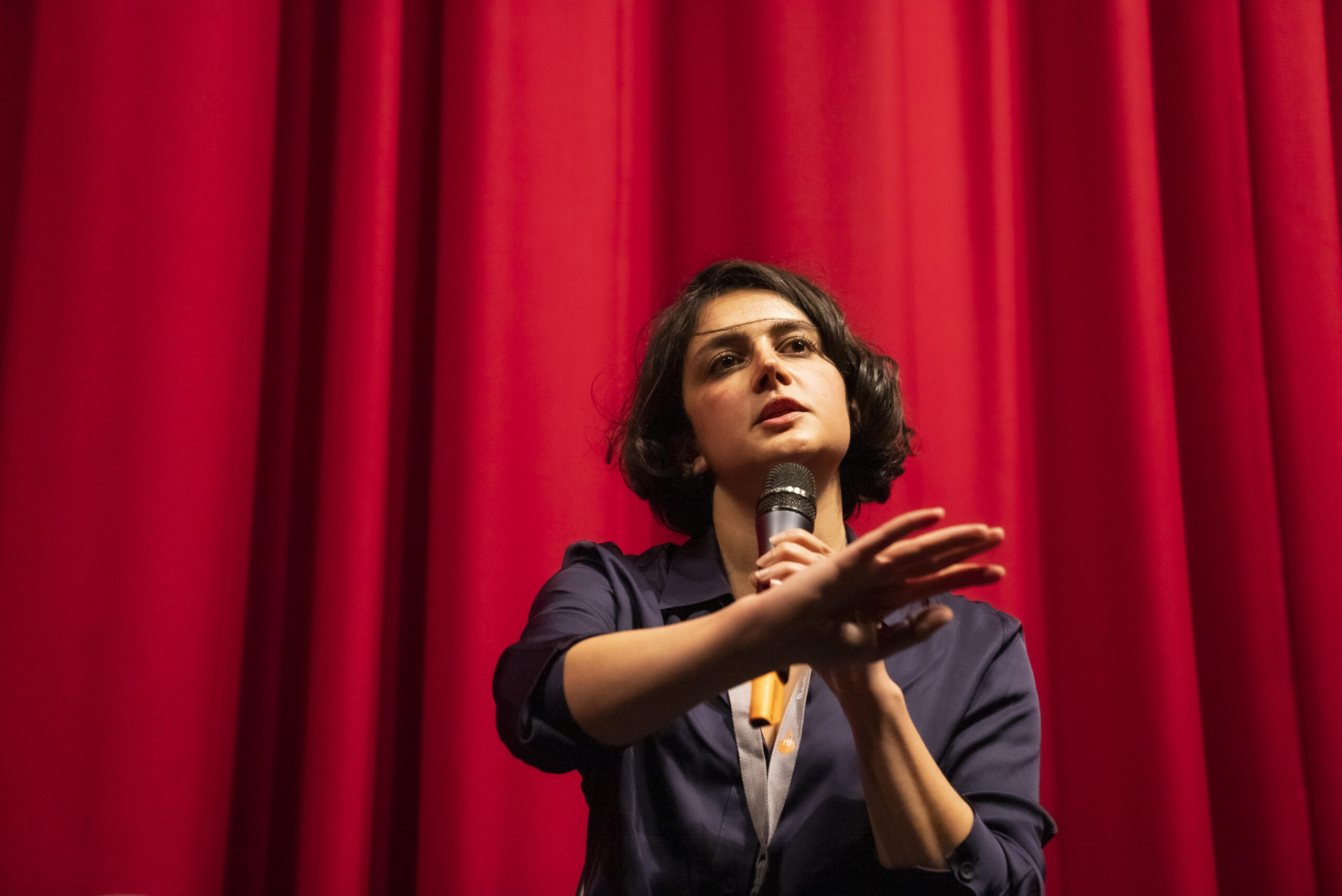
Sanaz Sohrabi
Sanaz Sohrabi (born in 1988 in Tehran) is a filmmaker and lecturer in the Department of Communication Studies at Concordia University in Montreal. Her work explores the visual histories of resource sovereignty and postcolonial ecologies in the Global South. She has just completed an award-winning trilogy of film essays: An Incomplete Calendar (2026, 77 minutes), Scenes of Extraction (2023, 44 minutes), and One Image, Two Acts (2020, 44 minutes), which explores the connections between the political economy of the image, archiving technologies, and visual cultures related to resource extraction in Iran and, more broadly, in Western Asia. His films and installations have been screened and honored at various festivals and biennials, including the Berlinale, Cinéma du Réel (Best First Feature...
Practical Information
Wednesday, December 9, 2026
6:30 p.m. – 8:00 p.m.
6:30 p.m.: One Image, Two Acts
7:15 PM: Scene of Extraction
Michel Piccoli Cinema
Films in english and farsi with Italian subtitles
€5
The ticket grants access to the screenings and the exhibition “Soleil noir. Oil and Contemporary Art,” open until 9:00 PM.
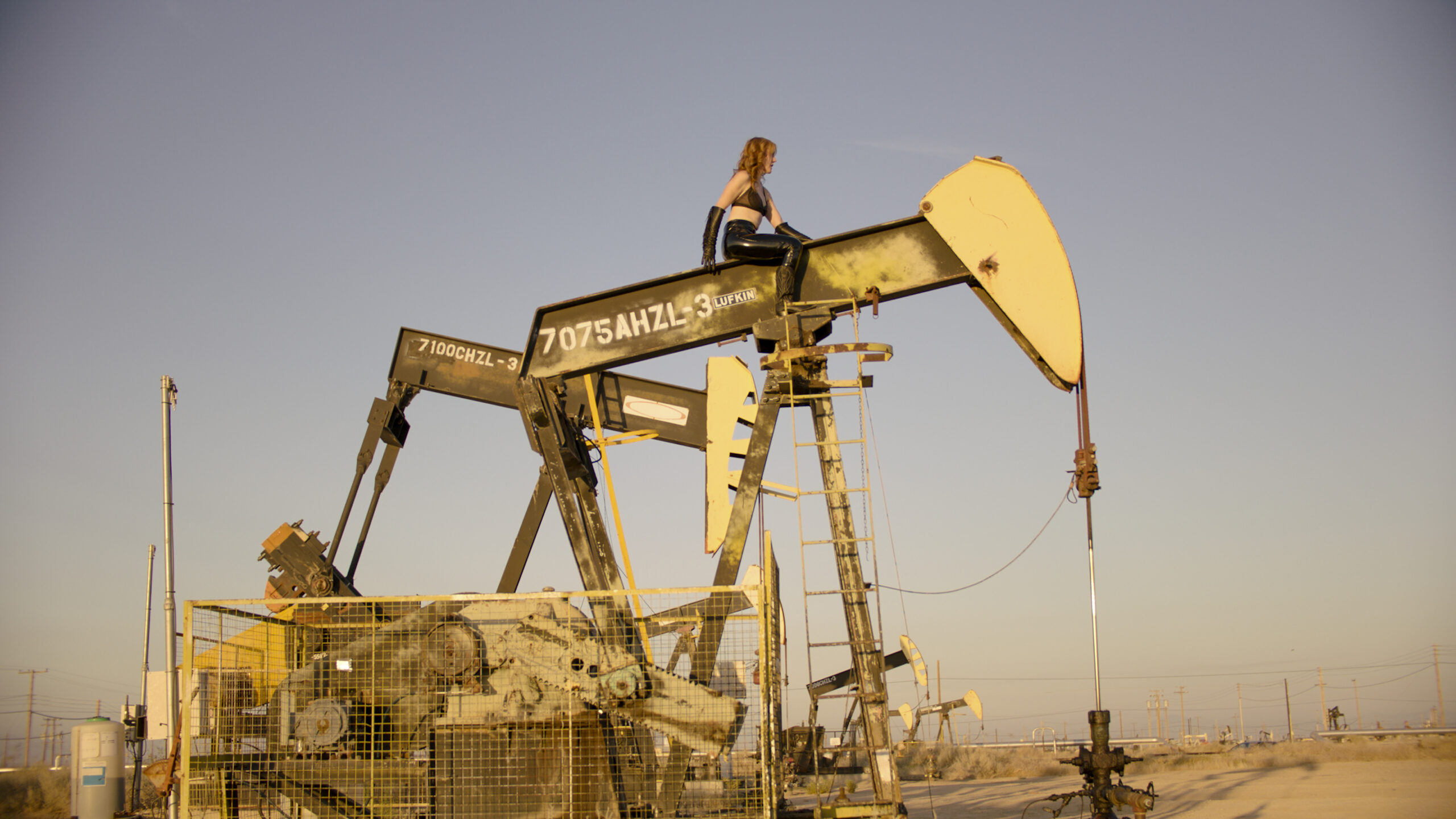
Black sun
09.10.2026 - 18.01.2027
- Artists :
- Latif Al Ani
- Monira Al Qadiri
- Jananne Al-Ani
- Ana Alenso
- Ismaïl Bahri
- Alessandro Balteo-Yazbeck
- Bernardo Bertolucci
- Rossella Biscotti
- BP
- Alberto Burri
- Chloe Dewe Mathews
- Aref El Rayess
- Fouad Elkoury
- Joanne Farchakh Bajjaly
- Media Farzin
- Mehdi Ghadyanloo
- Lungiswa Gqunta
- Robert Gschwantner
- Jacqueline Hassink
- Isabelle Hayeur
- Romuald Hazoumè
- Michael Hirschbichler
- Alexandre Hogue
- Nancy Holt
- Jumana Manna
- Alessandro Marchi
- Anita Molinero
- Anahita Norouzi
- Robert Rauschenberg
- Ed Ruscha
- Shirin Sabahi
- Behjat Sadr
- Latifa Saeed
- Zina Saro-Wiwa
- Jessica Segall
- Allan Sekula
- Robert Smithson
- Thu-Van Tran
- Jala Wahid
- Hani Zurob