Villa Medici supports fellows in their post-residency career and encourages the circulation of their work in France through two initiatives: ¡Viva Villa! and production grants.
¡Viva Villa! is a network of French artistic residencies abroad, created in 2016 by Casa de Velázquez (Madrid), Villa Kujoyama (Kyoto) and Villa Medici (Rome) and joined in 2023 by Villa Albertine (United States).
In 2023, ¡Viva Villa! will evolve from a festival to a platform for supporting contemporary creation through two mechanisms: a support fund and a professional day. ¡Viva Villa! thus becomes a powerful vehicle for disseminating the work of contemporary artists who have benefited from the network of artistic residencies abroad, unique in its scope and vitality, and often decisive in a career’s development.
SUPPORT FUND
¡Viva Villa! has a support fund of 200,000 euros. Every two years, a call for projects is issued to cultural organizations wishing to co-produce a project involving at least two artists from two different residencies. Selected by a jury made up of ¡Viva Villa! representatives, projects benefiting from the support fund are of various types and scales: exhibitions, performances, installations, concerts and publications. This scheme is part of an approach to supporting artists after their residencies in Kyoto, Madrid, Rome or the United States.
THE PROFESSIONAL DAY
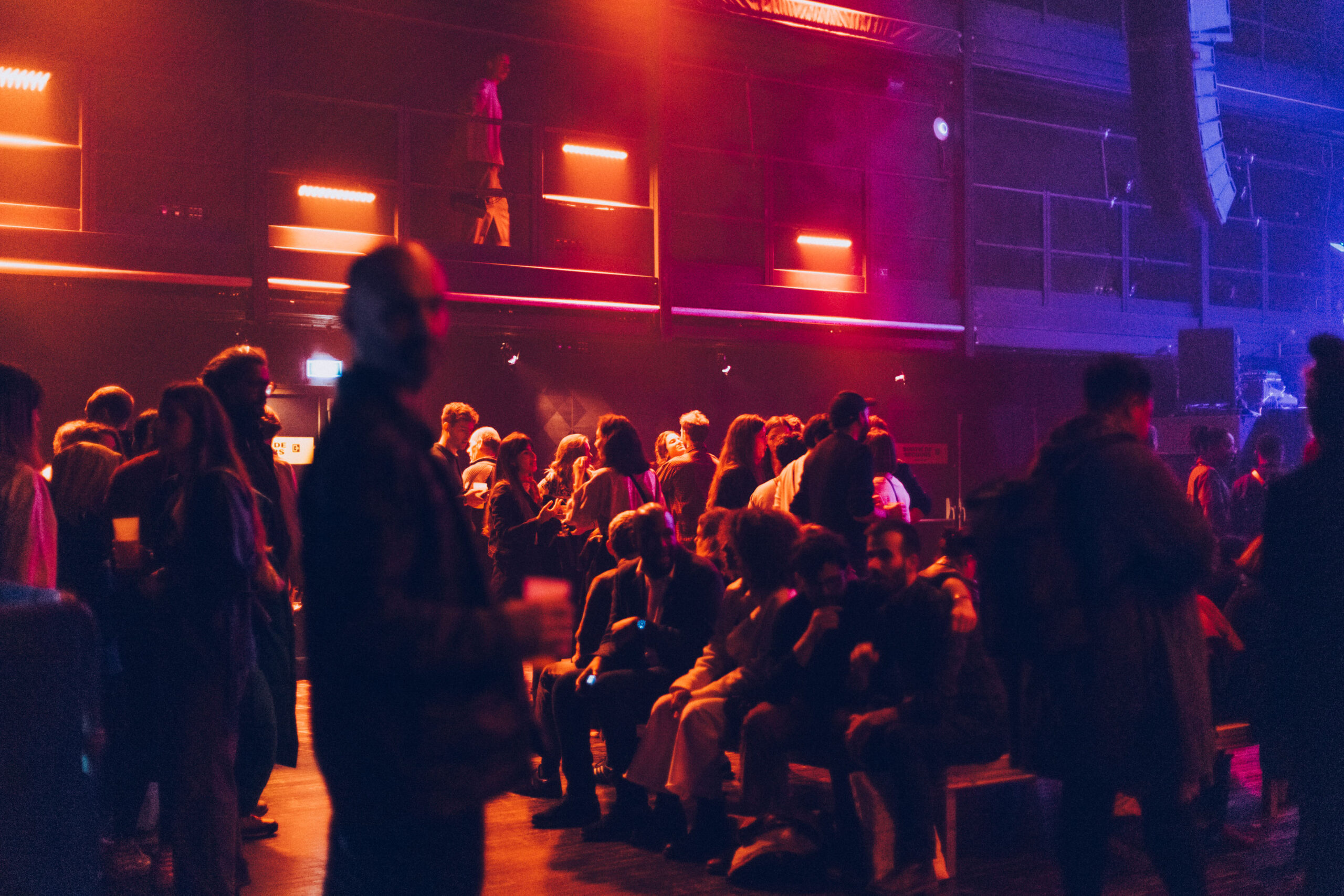
On Tuesday October 21, 2025, ¡Viva Villa! and La Gaîté Lyrique present their annual event dedicated to artists, creators and researchers from artistic residencies abroad.
For this third edition at La Gaîté Lyrique, two new residencies join the program: Villa Hegra (AlUla, Saudi Arabia) and Villa Swagatam (India).
Villa Hegra is the first Franco-Saudi cultural institution. Located in AlUla, since 2023 it has been developing a program focused on intercultural dialogue, reflecting the dynamism of artistic exchanges between France and Saudi Arabia. In the autumn of 2025, Villa Hegra will open its site in the center of AlUla, with the aim of becoming a meeting place and creative center. Villa Swagatam is a network of residencies founded in 2023 to encourage exchanges between French and Indian artists hosted by 30 partner institutions in France, India, Bangladesh and Sri Lanka. Villa Swagatam’s particularity lies in the reciprocity of exchanges and its focus on two areas: books and crafts.
¡Viva Villa! gives a sneak preview of the research and projects initiated by the hundred or so artists, creators and researchers who spend a month or a year in residence each year.
On Tuesday October 21, the public will be able to find out more about these six residencies through round tables, a major professional forum, workshops, performances, preview screenings and an evening of concerts in the Grande Salle of the Gaîté Lyrique.
An artistic event that echoes the project of the Gaîté Lyrique – Fabrique de l’époque, a polyphonic venue that gives a voice to those who are mobilizing to tackle the social and societal issues of our time.
The exhibition takes its title from the English term ” reader “, which refers both to a publication containing a collection of texts by an author, and to the very position of reader. This unprecedented format is extended to the context of a transdisciplinary exhibition: although it has the appearance of a monograph, this exhibition brings together a multiplicity of artists, performers and researchers, whose voices resonate around Yvonne Rainer.
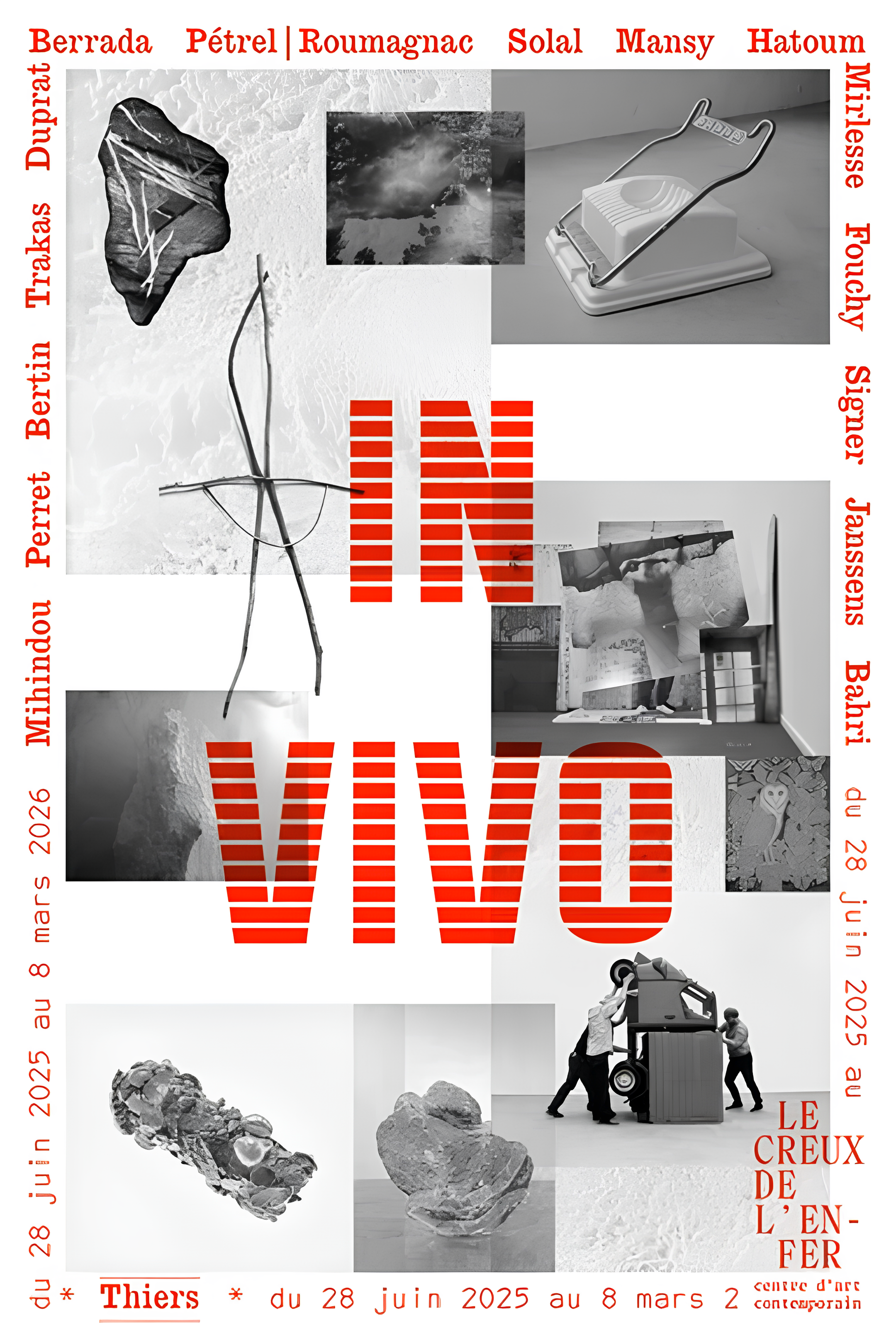
This group exhibition highlights the living memories of the art center through a fertile dialogue between works by artists from different generations, within the newly reconfigured spaces of the two factories: Le Creux de l’Enfer and Le May. In this way, works by major figures on the international art scene sit alongside those of younger artists, created as part of residencies in Thiers or around the world. The exhibition IN VIVO rekindles powerful past experiences in light of the questions that permeate today’s artistic expressions. It showcases the driving forces of the art center—a place of commitment and constant reinvention—that have animated the Vallée des Usines for forty years.
Following in the footsteps of philosopher Vinciane Despret in her book Les morts à l’œuvre (2023), the exhibition Tactical Specters questions our relationship with the deceased and our heritage. It looks at the place the deceased occupy in our daily lives, and the relationships we maintain with them beyond their passing.
This exhibition is being held at two venues, 40mcube in Rennes and Mécènes du Sud in Montpellier, at almost the same time, with the same artists. The origin of the exhibition Elle empêche les choses de dormir is the observation of a missing word, absent representations, the gaping hole of a collective memory. And it’s the shared desire to see it as a space for fiction with real potential. Here, the narratives of minority communities are reinvested through works that breathe new life into silent words.
The radio festival “La déesse aux cent bouches” (The Goddess of a Hundred Mouths) aims to explore the multiple forms of orality and the various ways in which the voice appears, from noise to narrative, by crossing literary, performative, visual and musical practices. The evening of November 8 will feature meetings and interviews, discussions, recordings of new productions and live performances broadcast live on *Duuu Radio.
To mark the 7th edition of the ¡Viva Villa! festival, Collection Lambert, a long-standing partner of the event, is proposing a transdisciplinary project entitled TRANSFORMER.S. , a long-term program hosted by the Avignon institution from May 25, 2024.
For its latest issue, IF magazine is taking part in the ¡Viva Villa! 2024-2025 season with a special edition featuring only artists who have taken part in France’s international residency programs (Académie de France à Rome – Villa Médicis in Rome, Casa de Velázquez in Madrid, Villa Kujoyama in Kyoto and Villa Albertine in the USA).
As part of the Lyon Biennial, Alix Boillot presents two salt installations (L’Éternité (2) and Lacrymatoires) and a performance (L’Éternité (1)) on October 12 and 13.
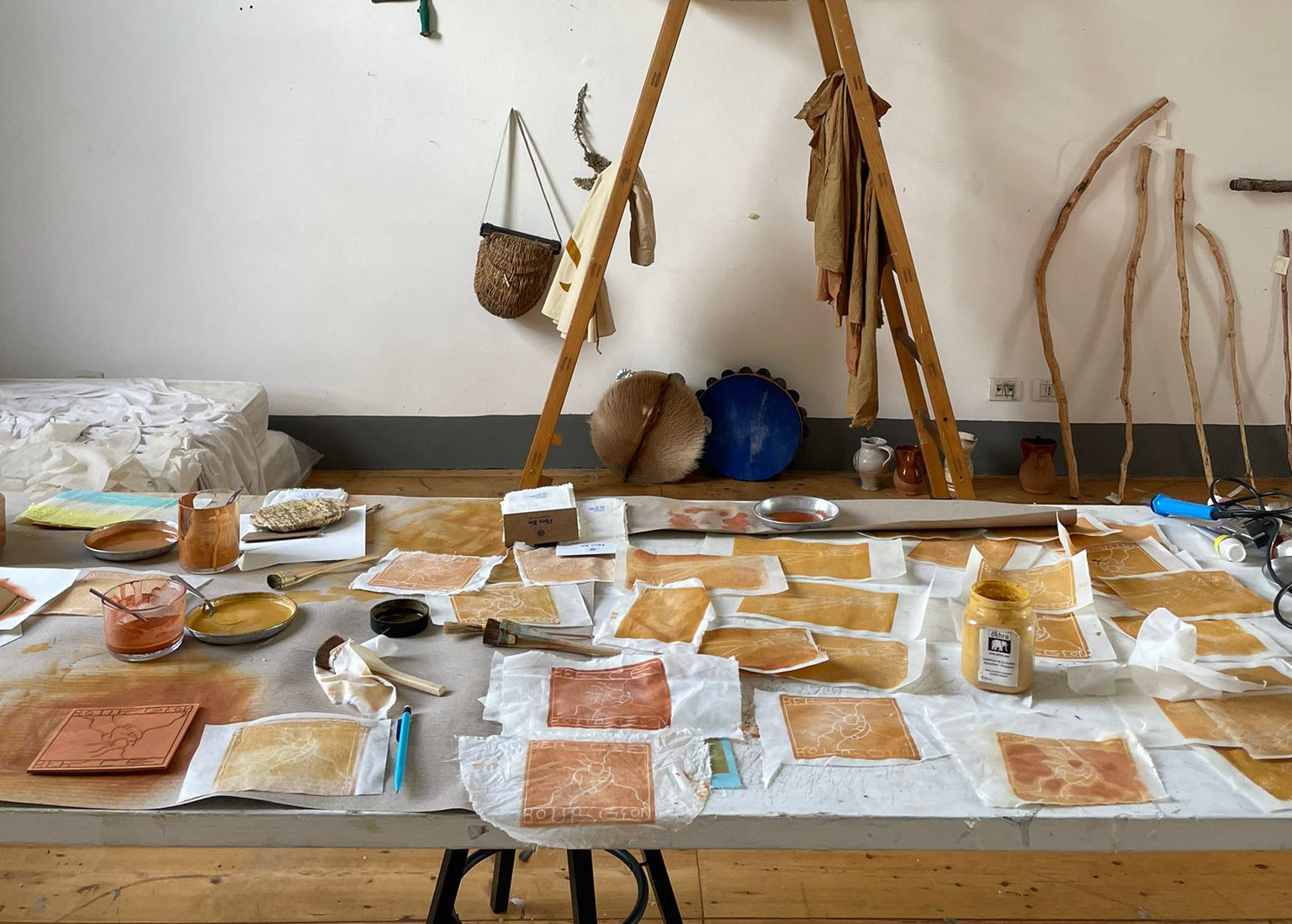
This project was conceived as an extension of Hélène Bertin’s residencies at Villa Medici (Rome) and Sébastien Desplat’s at Villa Kujoyama (Kyoto). Engaged in an artistic exploration of living resources, popular and artisanal know-how and their links with natural materials, they will be accompanied by an imagière, Bettina Henni, and a specialist craftswoman. plant colors, Lola Verstrepen. Travelling back and forth between Rome, Marseille and the Luberon, these four creators will combine their sensibilities and techniques for an original joint production that will be presented on Saturday August 31 at 11am at Studio Fotokino for the opening of a joint exhibition running until September 21.
The MAT program focuses on water in all its forms, from sensitive to poetic to scientific approaches. Following a series of encounters from May 14 to 17, the program includes screenings and workshops open to all, in collaboration with the École des beaux-arts Nantes Saint-Nazaire, the École supérieure d’art et de design TALM and the École primaire Joachim Du Bellay de Montrelais. The “Nous les vagues” exhibition explores local water resources with a transdisciplinary approach.
Through a system of production grants, Villa Medici supports its residents by co-financing, with the help of cultural partners, the projects they have initiated during their residency in Rome. Thinking about the post-residency period is one of Villa Medici’s preoccupations, in a collaborative approach. The introduction of this aid scheme in 2018 has brought together a large number of partners, creating a leverage effect that is essential if the artists’ projects are to see the light of day.
Former fellow Laure Cadot (2023-2024) is organizing and taking part in the international symposium “Preserving human remains” at the Musée du Quai Branly – Jacques Chirac. These meetings on new approaches to conservation and the care of human remains in institutions aim to highlight and discuss professional practices in the light of contemporary issues surrounding this unique heritage.
This symposium is co-produced as part of the Louis Roederer Foundation grant.
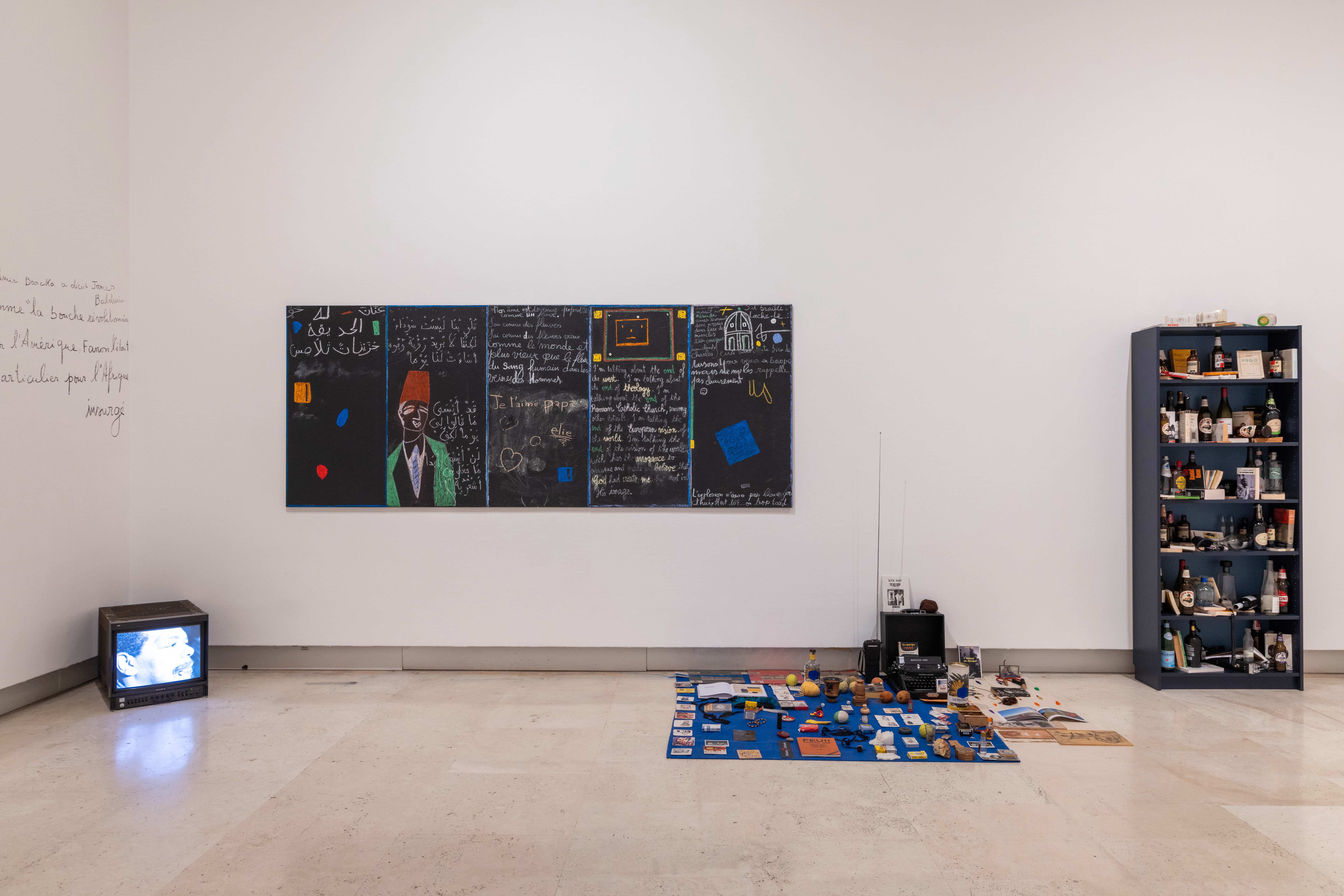
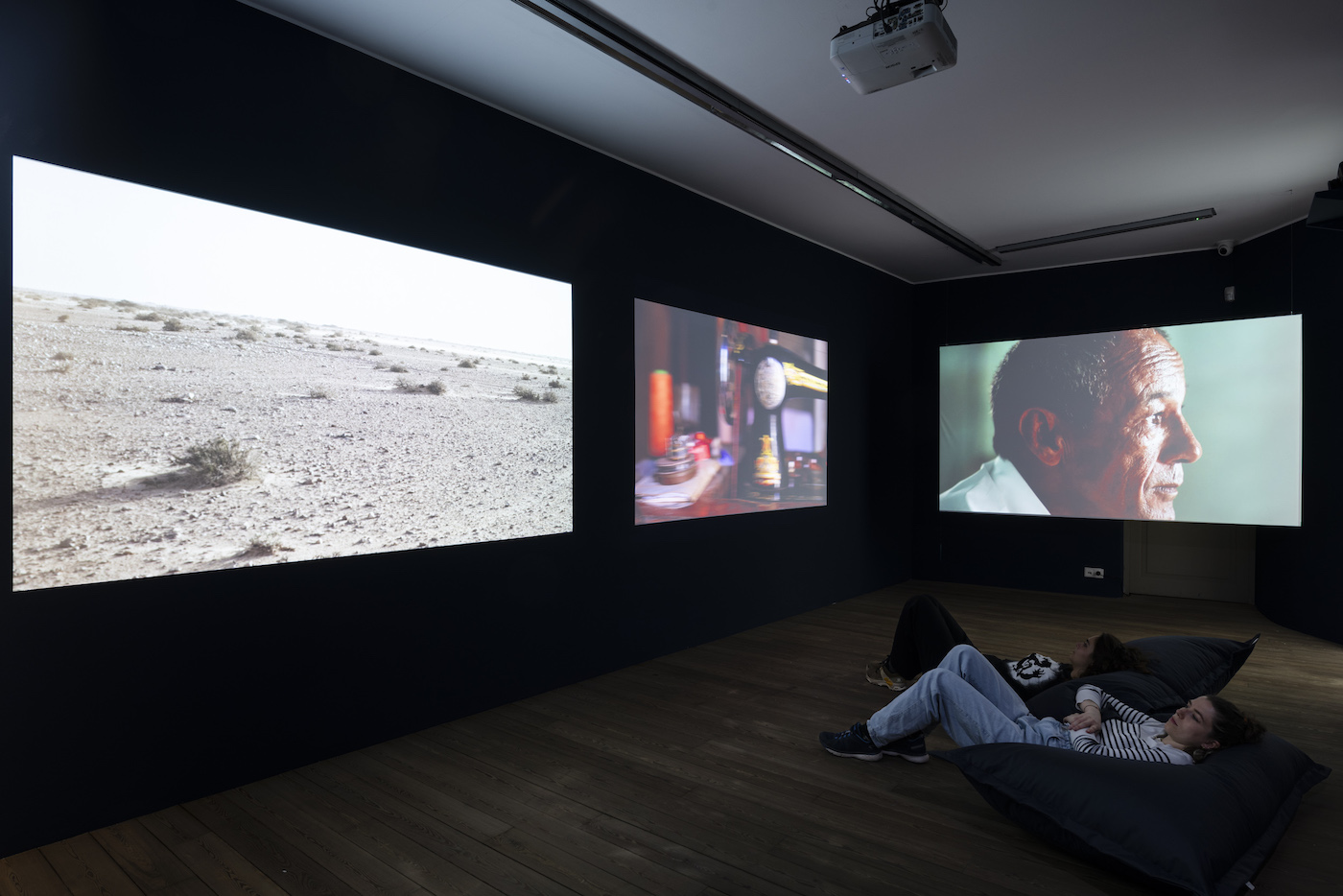
The exhibition Une pierre sous la langue (A Stone Under the Tongue) refers to a Saharan poem that recommends putting a stone under the tongue to forget, and throwing it towards the sun to remember… It brings together works created between 2021 and 2024, including two pieces from the Frac collection, as well as previously unseen works created especially for the occasion, notably during the artist’s stay at Villa Medici as a resident.
This exhibition is co-produced as part of the Louis Roederer Foundation grant.
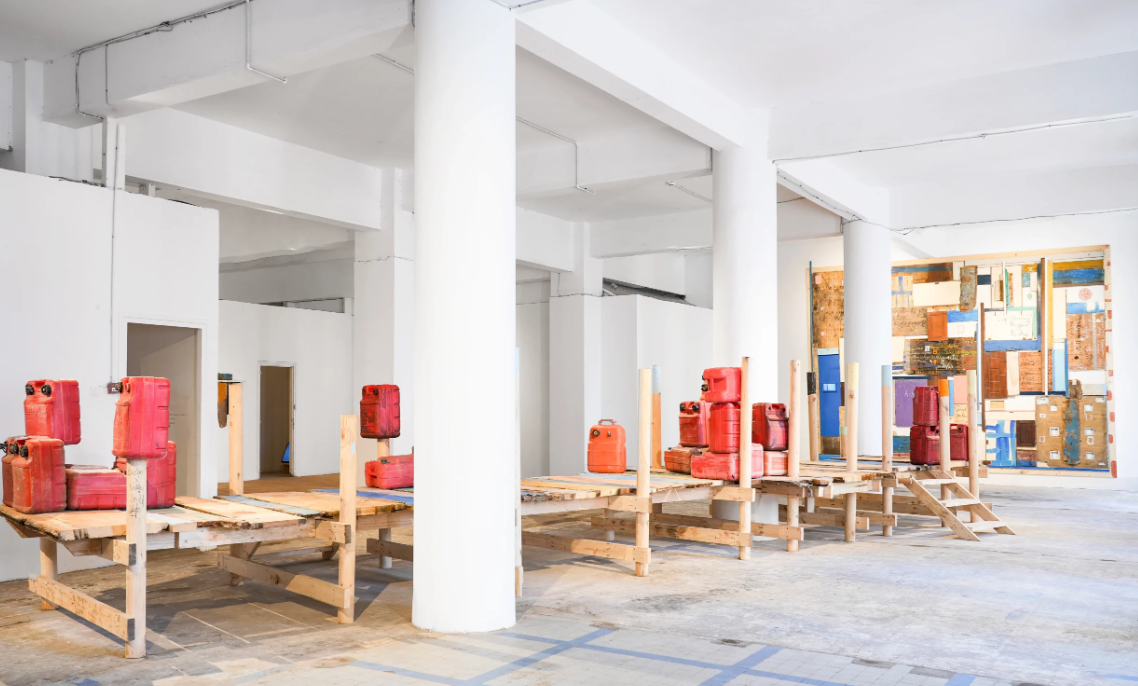
Conceived in the form of a pontoon, Les Ressources : Acte #2 (2025) is a monumental installation acting as a ship carrying found objects such as fragments of wood, ropes and jerrycans, reminiscent of all the boats that sail the open sea and, by extension, fishing activities.
This installation is co-produced as part of the Louis Roederer Foundation grant.
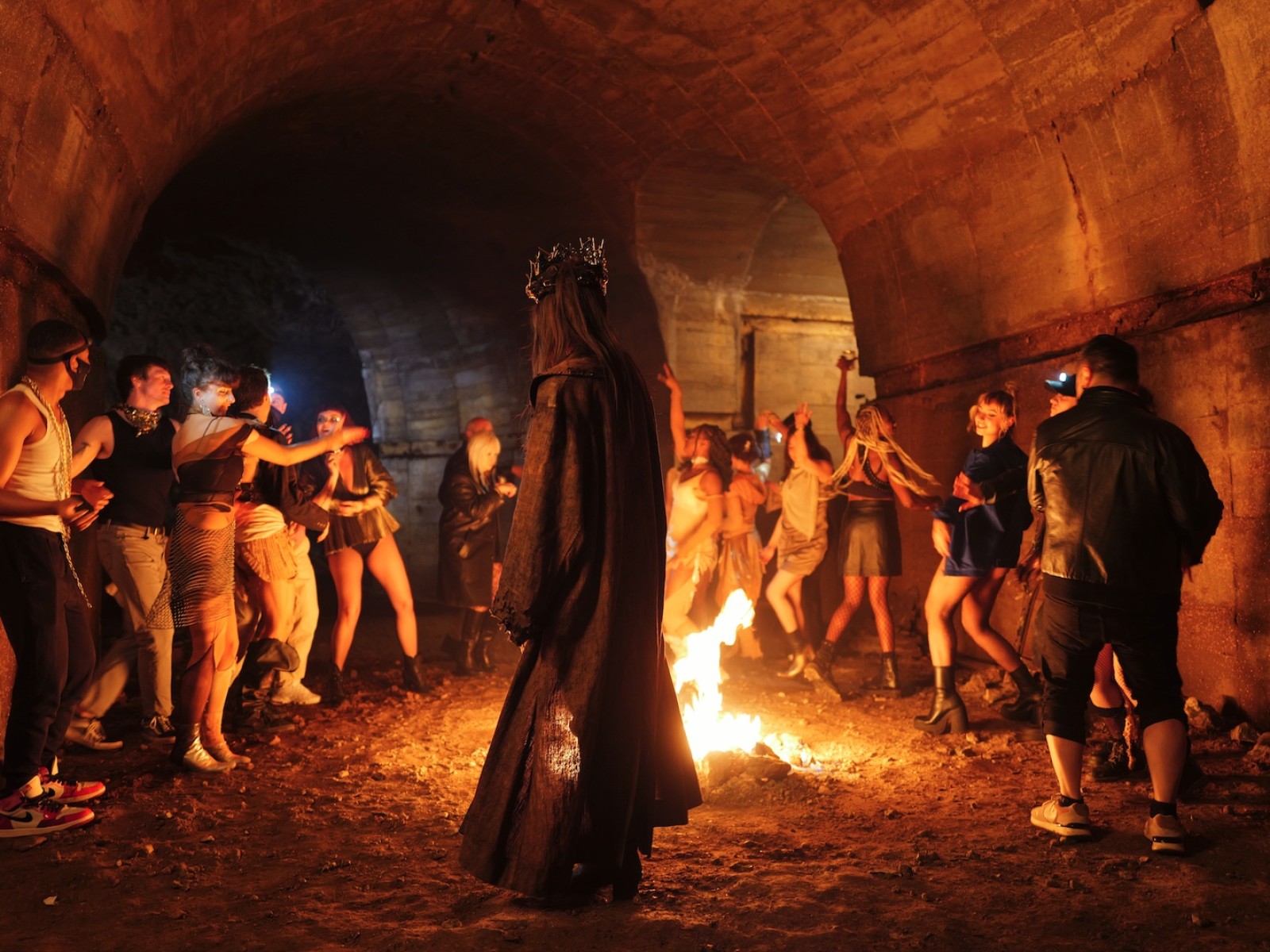
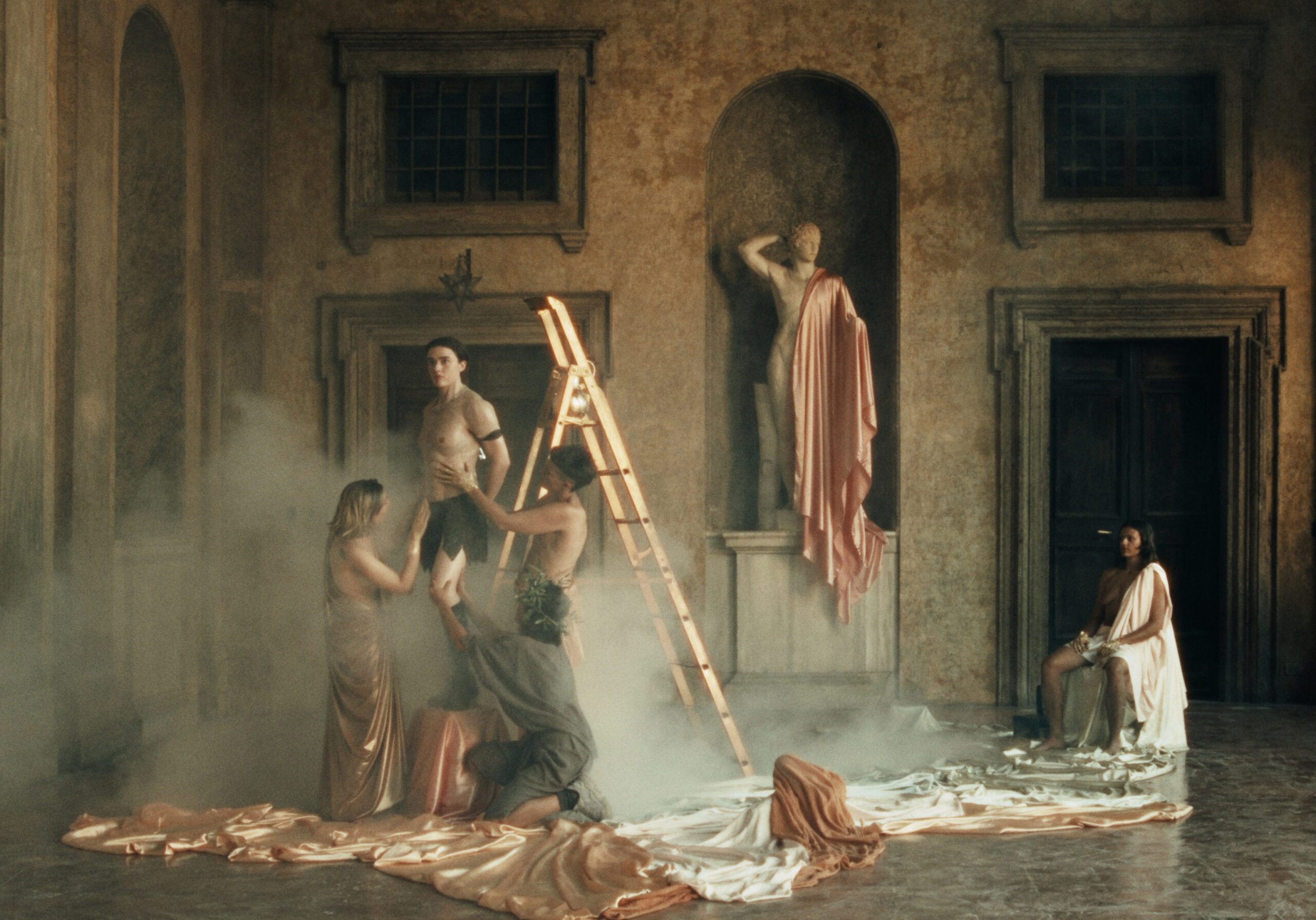
Set in little-known parts of Le Havre, Tempesta echoes the myth of Prometheus and the history of the city’s destruction. In a tableau that brings together the present and the ancient, Mali Arun summons young dancers into a world of light and shadow. Chevaldeuxtrois and Un Été Au Havre present, in coproduction with the Académie de France à Rome – Villa Médicis, a film by Mali Arun produced by Jérémy Forni.
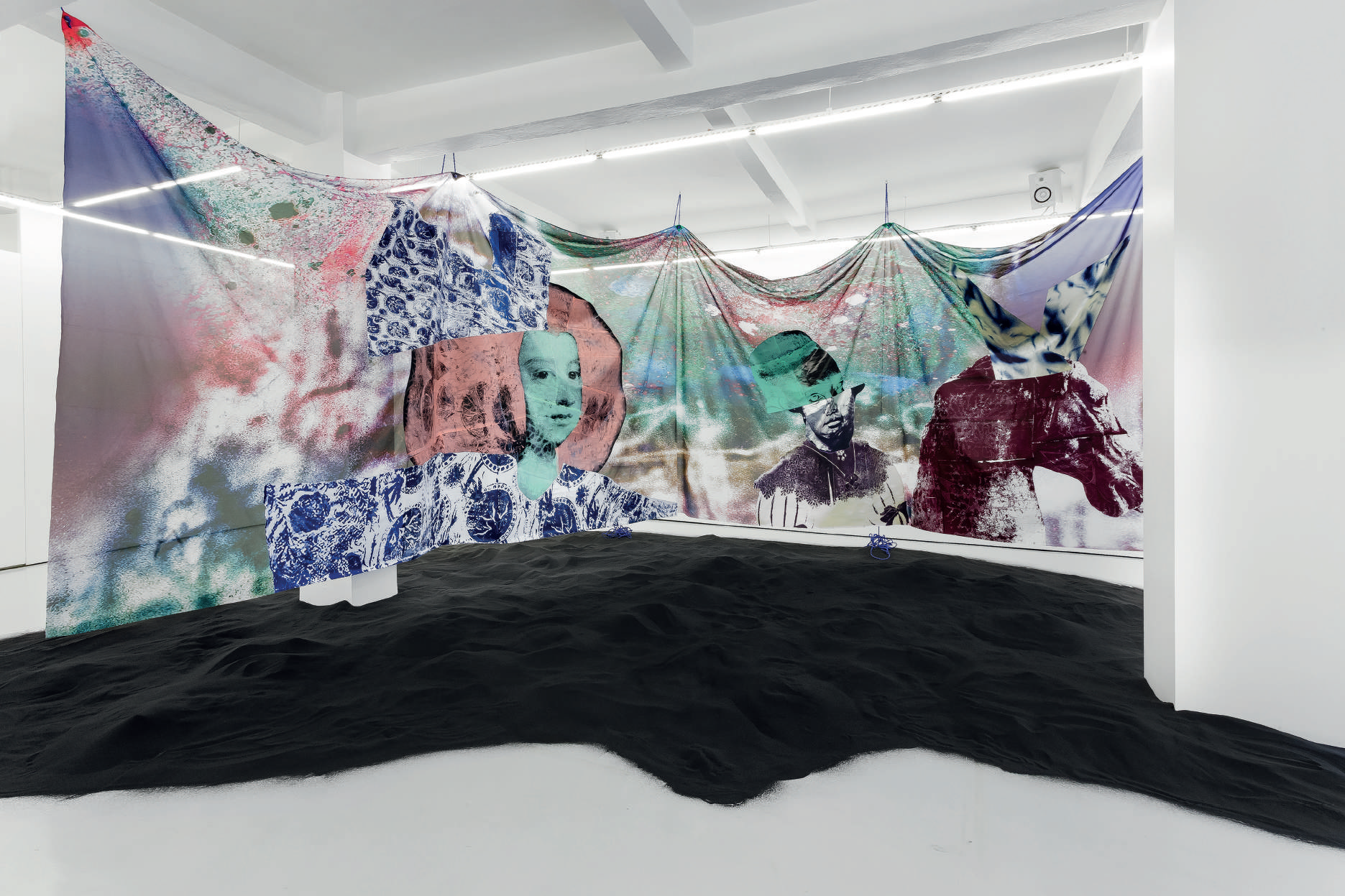
Witting Vitium is the first solo exhibition by artist Madison Bycroft. The exhibition will feature the film The Sauce Of All Order (2024), commissioned by steirischer herbst ’24 and co-produced with the Villa Médicis – Académie de France à Rome. Through a singular cinematic practice, Bycroft explores themes such as the instability of subjectivities, economies of understanding, fluidity, trans* studies and language.
Julie Pellegrin, renowned curator and art critic, reflects on the political effects of contemporary performance art. Nine artists, all valued friends and collaborators, engage with the author in dialogues about how work intertwines with life. These conversations are accompanied by a personal essay on the affinities between artistic practice and a renewed interest in anarchist thought. This story, which began in Rome’s legendary Attico gallery in the 1960s, unfolds in various parts of the world in the context of current crises. It affirms art’s capacity to formulate new political imaginaries when it embraces possibilities for living differently – ungovernable ways of being and relating.
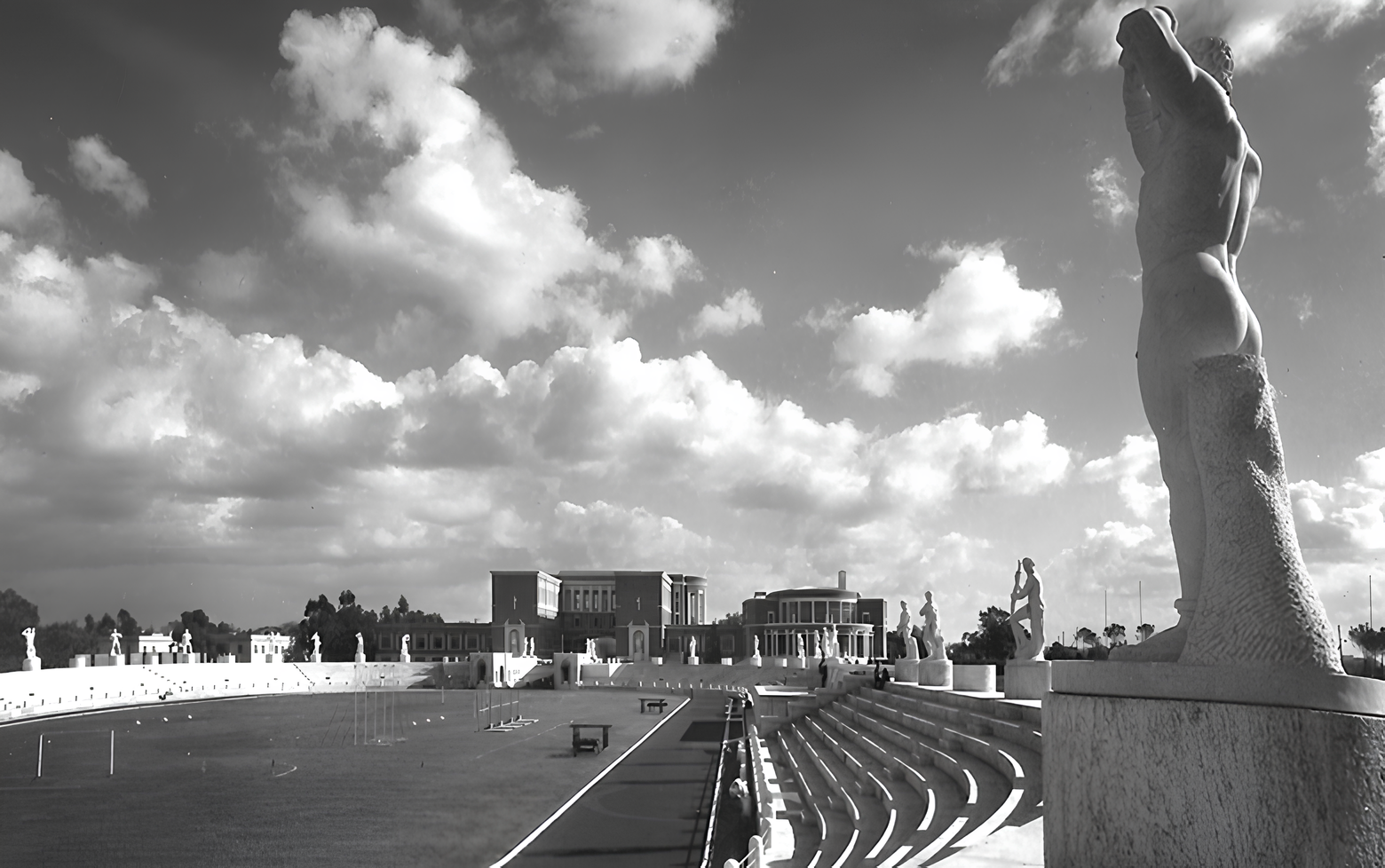
The exhibition, through archival materials, recounts several chapters of the Carrara-born architect’s contribution to this long and complex project, which occupied him for over forty years (1926–1968). Imprinting his visionary mark on the site, Del Debbio designed an architectural and landscape work in which the buildings would interact with the surrounding nature, and where marble—in its various structural or decorative uses—would play a central role in the development of a personal poetics, balanced between classicism and modernity.
The Enrico Del Debbio Archive, one of the first to enter the MAXXI Architecture Collection, documents the architect’s activity from 1909 to the 1970s, and in particular his most significant project: the Foro Italico complex.
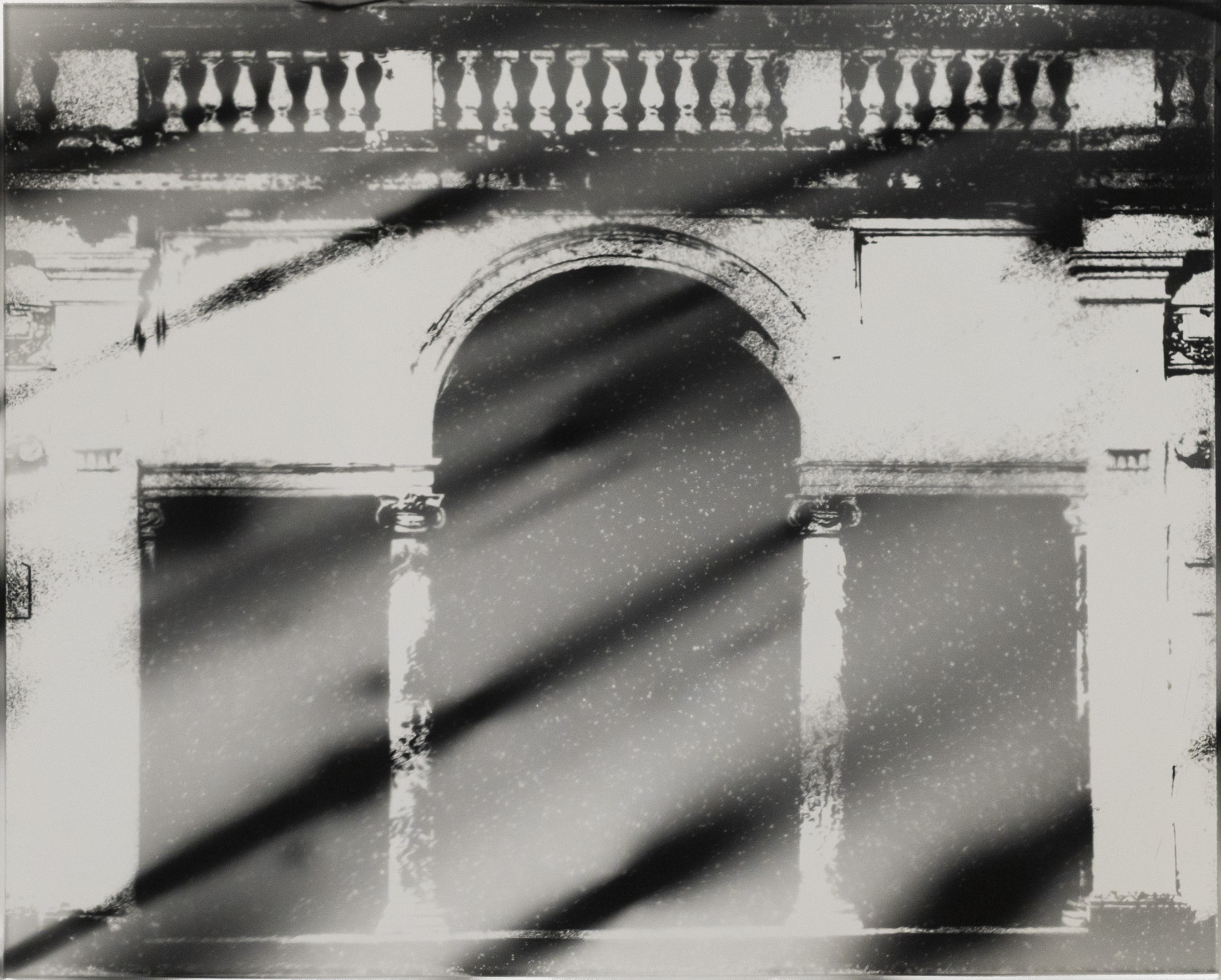
The archival materials enter into dialogue with contemporary photographs by Begoña Zubero, specially created for the exhibition.
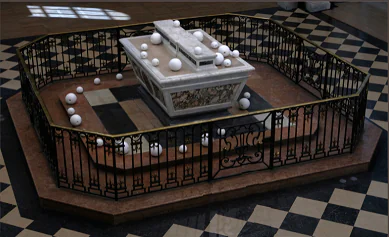
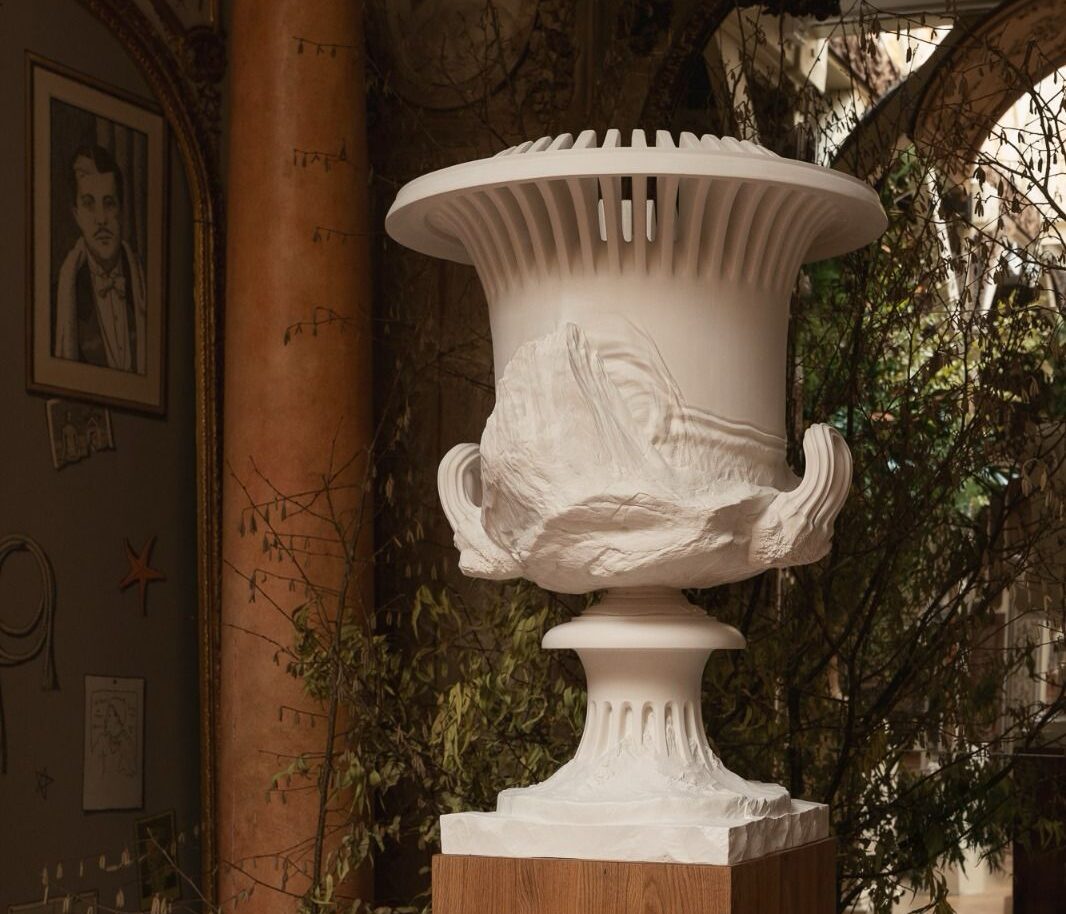
Hugo Drubay has embarked on a project to revisit the Medici vase, a piece of neo-Attic art exhibited at the Uffizi Gallery in Florence. This reinvented vase can be seen from January 16 to 29, 2025 at Féau Boiseries in Paris, as part of an exhibition with Mobilier national and Invisible Collection.
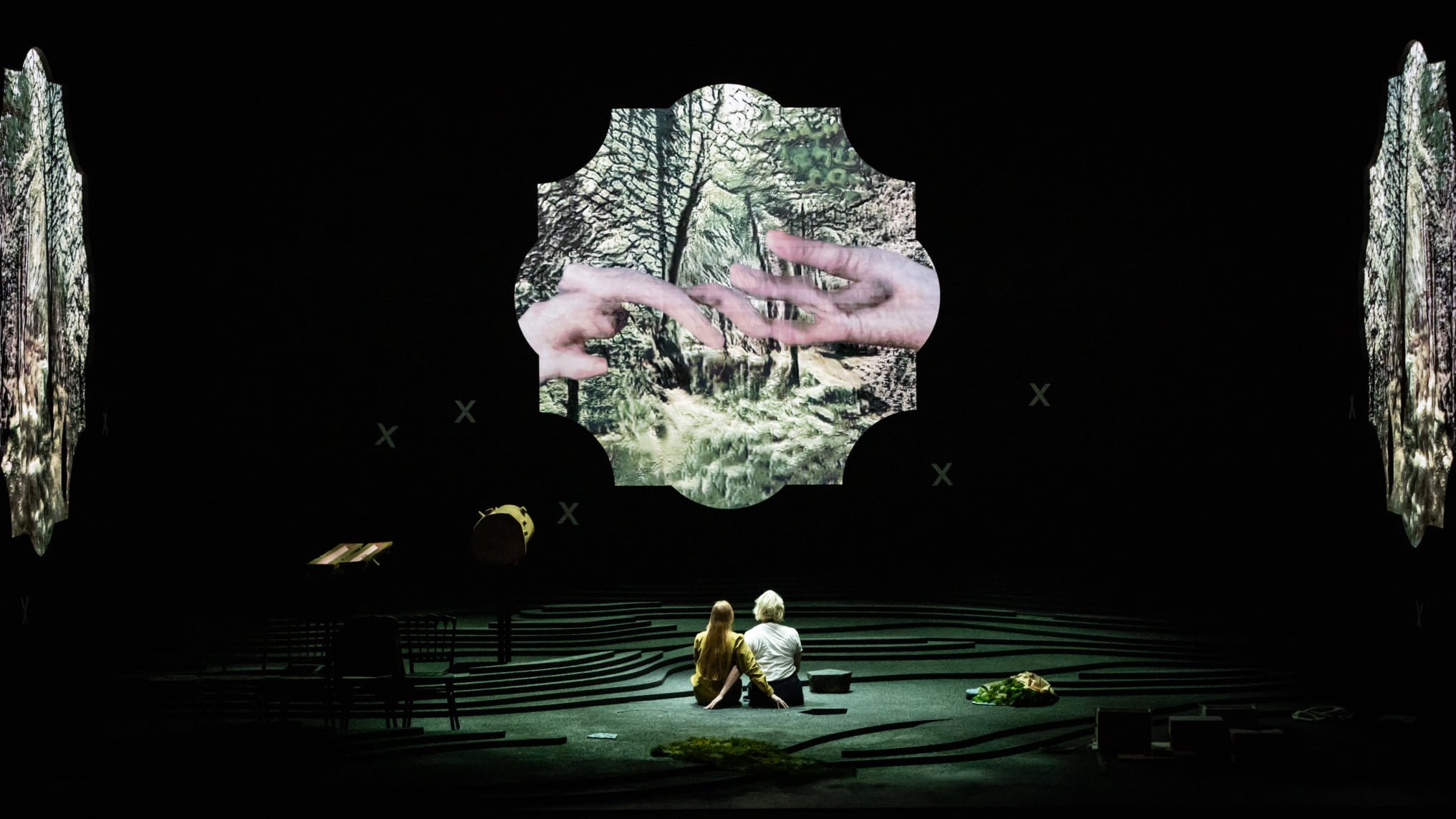
After following her lumberjack husband into the forest, a woman abandons herself to a monotonous life, witnessing the destruction of nature. A budding passion with a student turns her life upside down: her body transforms into a tree. Inspired by Ovid’s Metamorphoses, Like flesh, with libretto by Cordelia Lynn and music by Sivan Eldar, explores the ecological crisis and our conflicting relationship with nature. Using IRCAM technology, the composer deploys an enveloping forest of sound, via some sixty loudspeakers integrated into the auditorium, in response to Maxime Pascal conducting Le Balcon.
This work marks the emergence of a new generation of committed opera artists, reinventing opera as a sensory and political experience. Silvia Costa, already acclaimed for her staging of Boesmans’ Julie, here transforms the stage into a universe in mutation, amplified by Francesco D’Abbraccio’s videos. Winner of the FEDORA prize, Like Flesh was performed for the first time in Lille in 2022, and hailed as a highlight of the lyrical revival.
Like Flesh, recorded live at the Opéra de Lille by the b-records label, will be released as a book-disc on July 4, 2025. This book-album is co-produced by the Villa Medici.
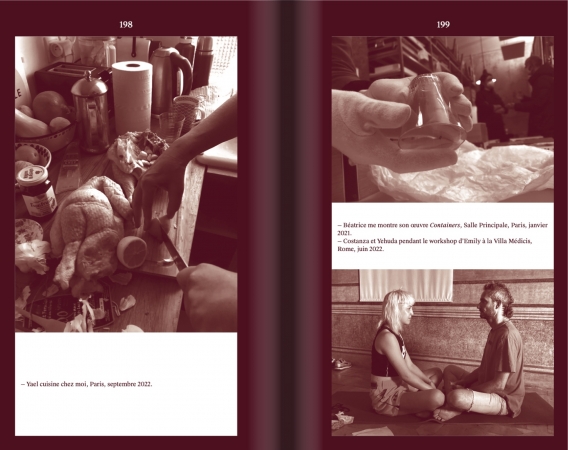
On April 4, 2025, Marion Grébert (resident 2022-2023) published a book of essays on art entitled Why flowers. Another trip to Italy published by L’Atelier contemporain. This book, the culmination of her residency project, is co-produced with the Académie de France à Rome – Villa Médicis and published with the support of the Centre national du livre.