Search
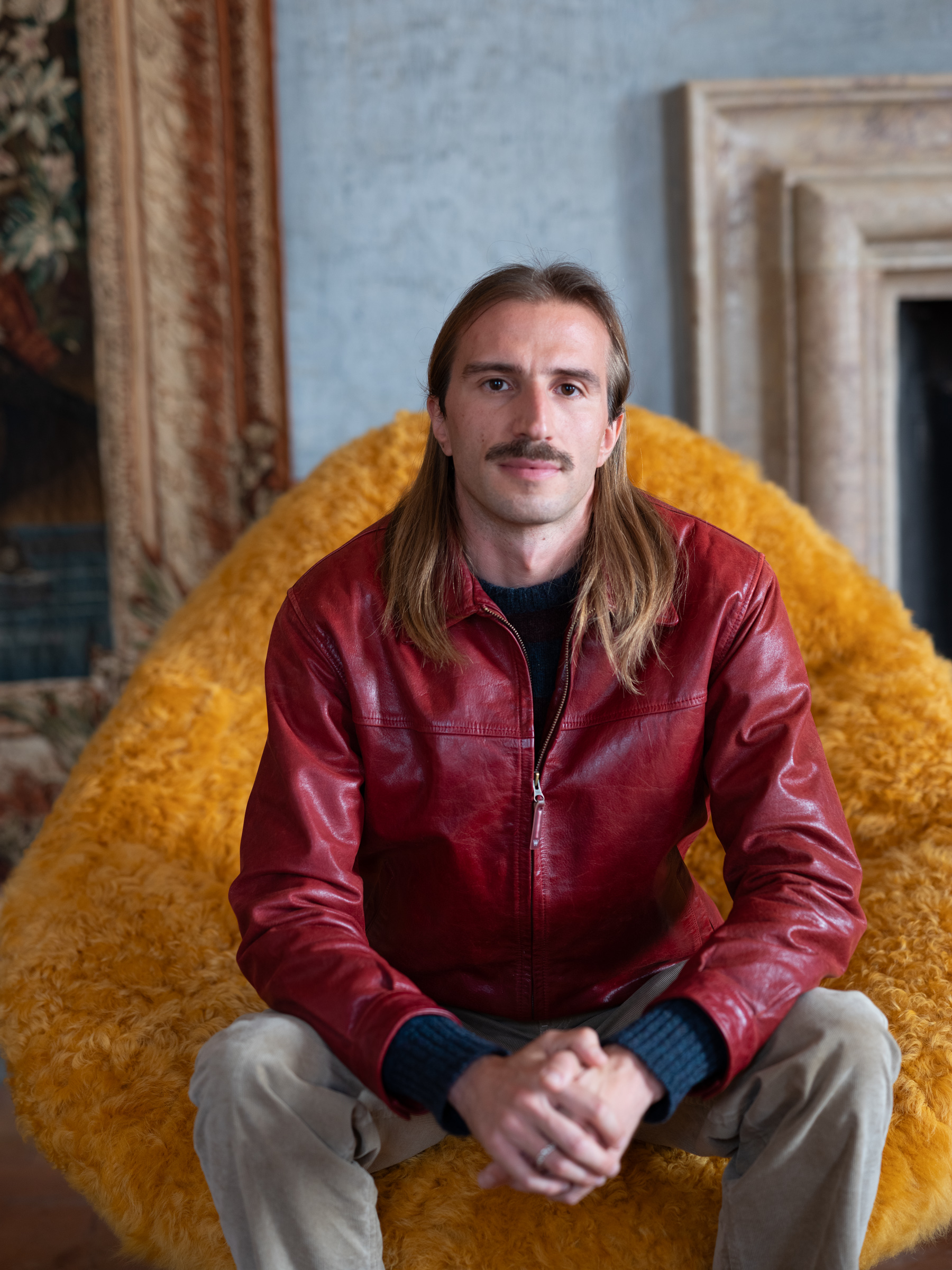
Ramy Fischler
Fellow
2010 - 2011
Design
Biography
Ramy Fischler
Period: 2010-2011
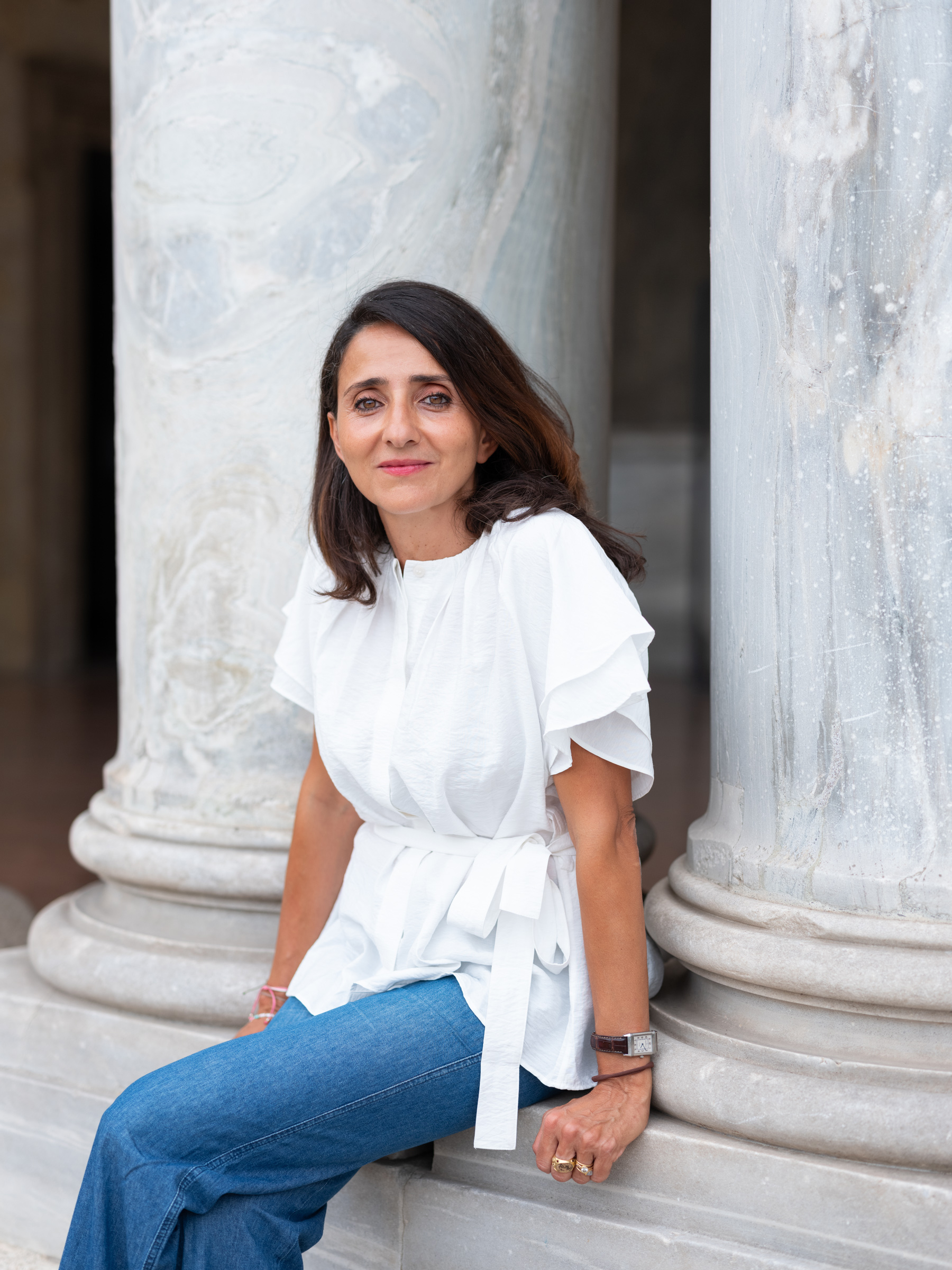
Occupation: Designer I’ve always been fascinated by the opposition/attraction relationship between the worlds of design and industry. The current period is particularly unusual in this respect. We are witnessing a definite rapprochement between the artistic disciplines and the production sectors, through the joint exploitation of new technologies in the fields of design, manufacture and distribution media. Artists, designers, craftsmen and manufacturers are all forced to question their use of these new tools, and assess the advantages and disadvantages they bring to their work. All of them are still evaluating how their production is perceived and how it interacts with users, spectators or visitors. As each discipline evolves its tools and approach, it must also rethink its relationship with its environment, both spatial (workplace, production site, distribution site) and human (client, subcontractor, customer, visitor or spectator). These changes give rise to new habits, new uses and new needs, all of which provide food for thought for the designer. But even more than the reasons why these sectors are changing their techniques, their practices and, indeed, their way of working, it’s the way in which these changes are welcomed that I’d like to explore at Villa Medici. At the heart of this place, at once steeped in history and life, which has seen academic artistic disciplines transform and new creative profiles emerge, the notion of “welcome” as a guideline for my research seemed ideal. The Villa is both a wellspring of past history and a unique field of exploration for analyzing the place and status of contemporary creation – through the phenomena of interaction, convergence or opposition that drive the relationship between artists, the place that welcomes them and visitors. Reception is a major issue for both public and private institutions. Not only does it express their nature and identity, but also the evolution of customs and technologies. Reception areas remain the rare physical, penetrable places dedicated to sharing and dialogue, where life is staged and exhibited. The subject therefore seems topical to me, and will undoubtedly give rise to new responses that will make sense within the residency.