Search
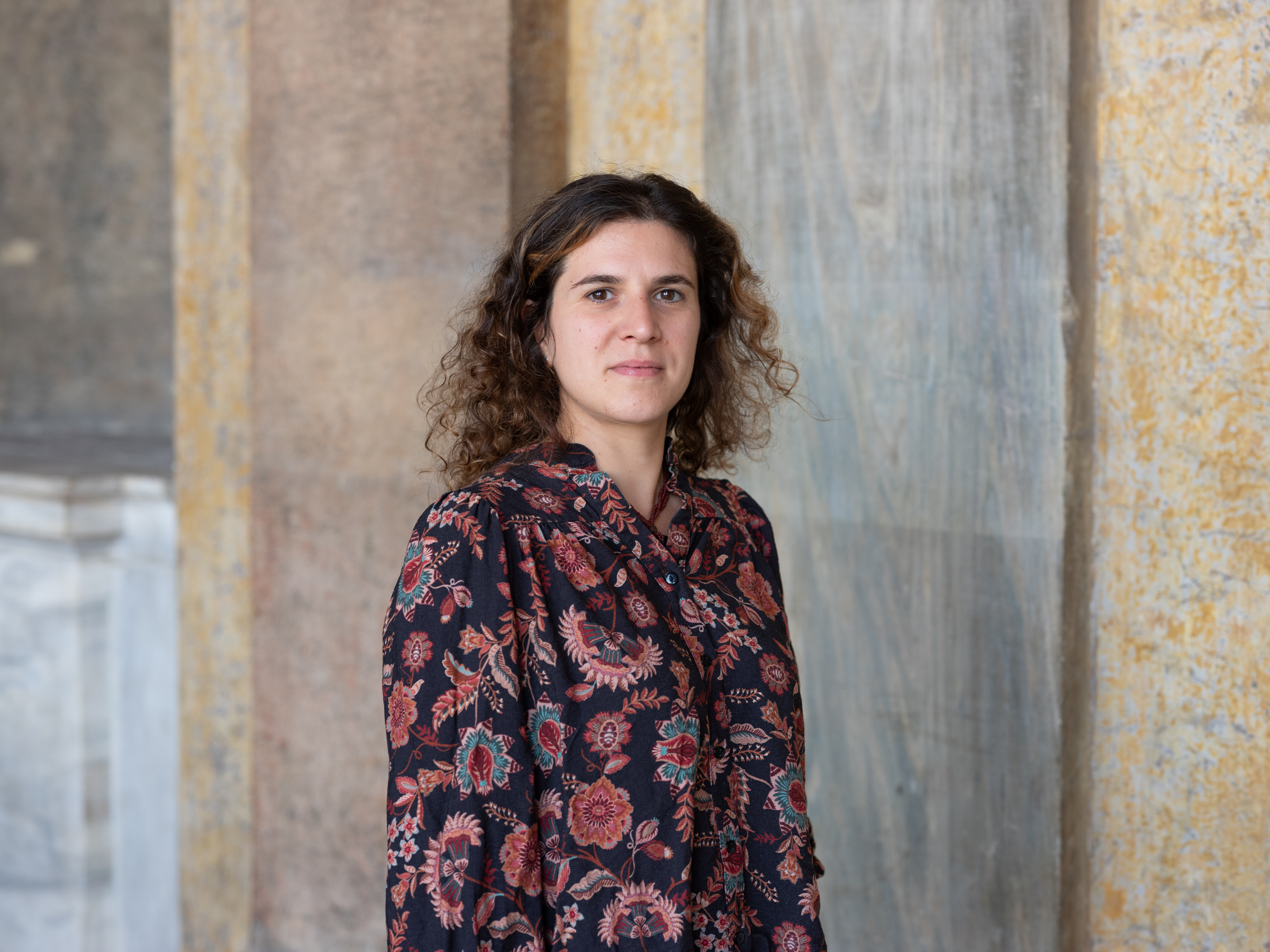
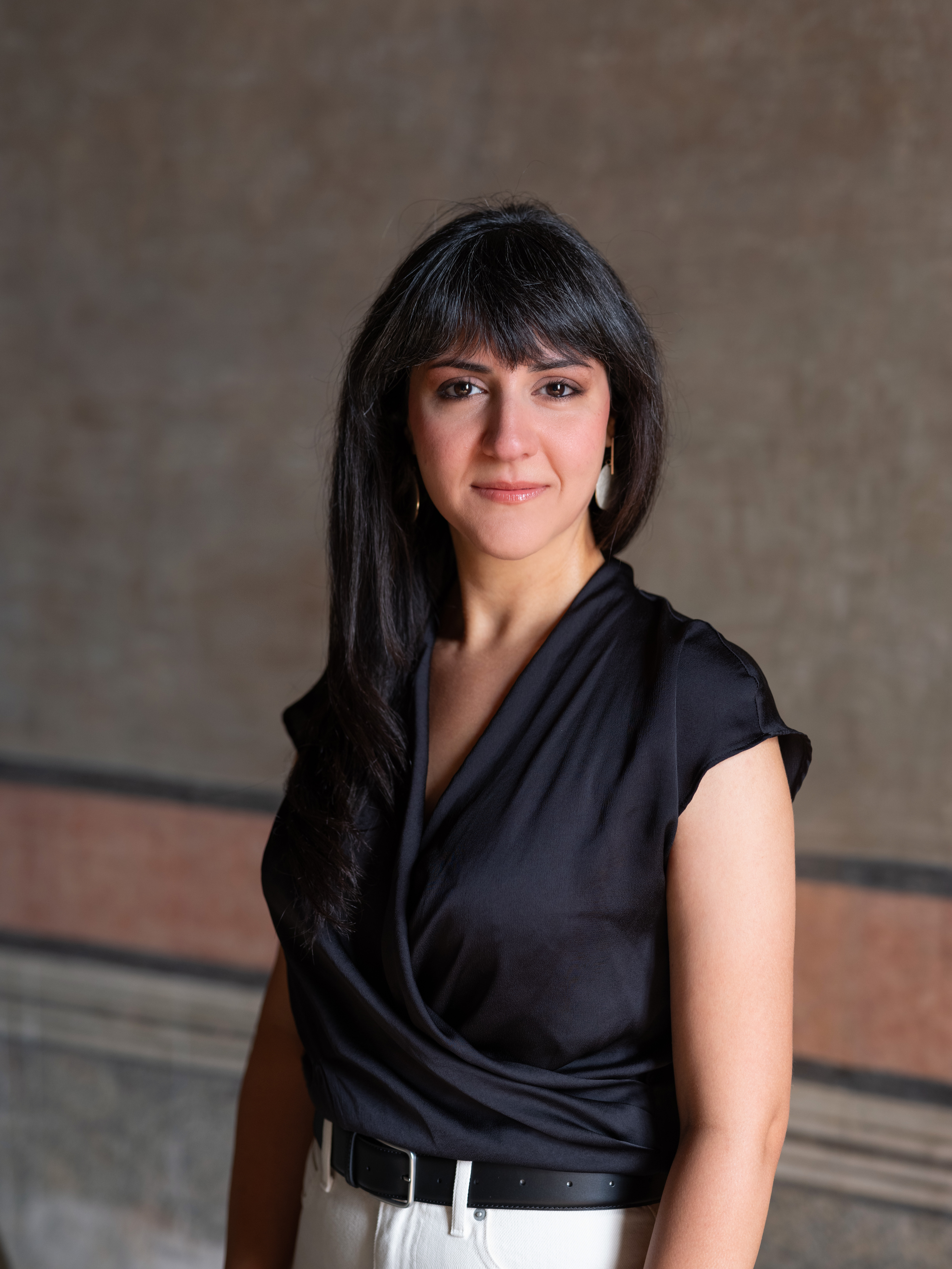
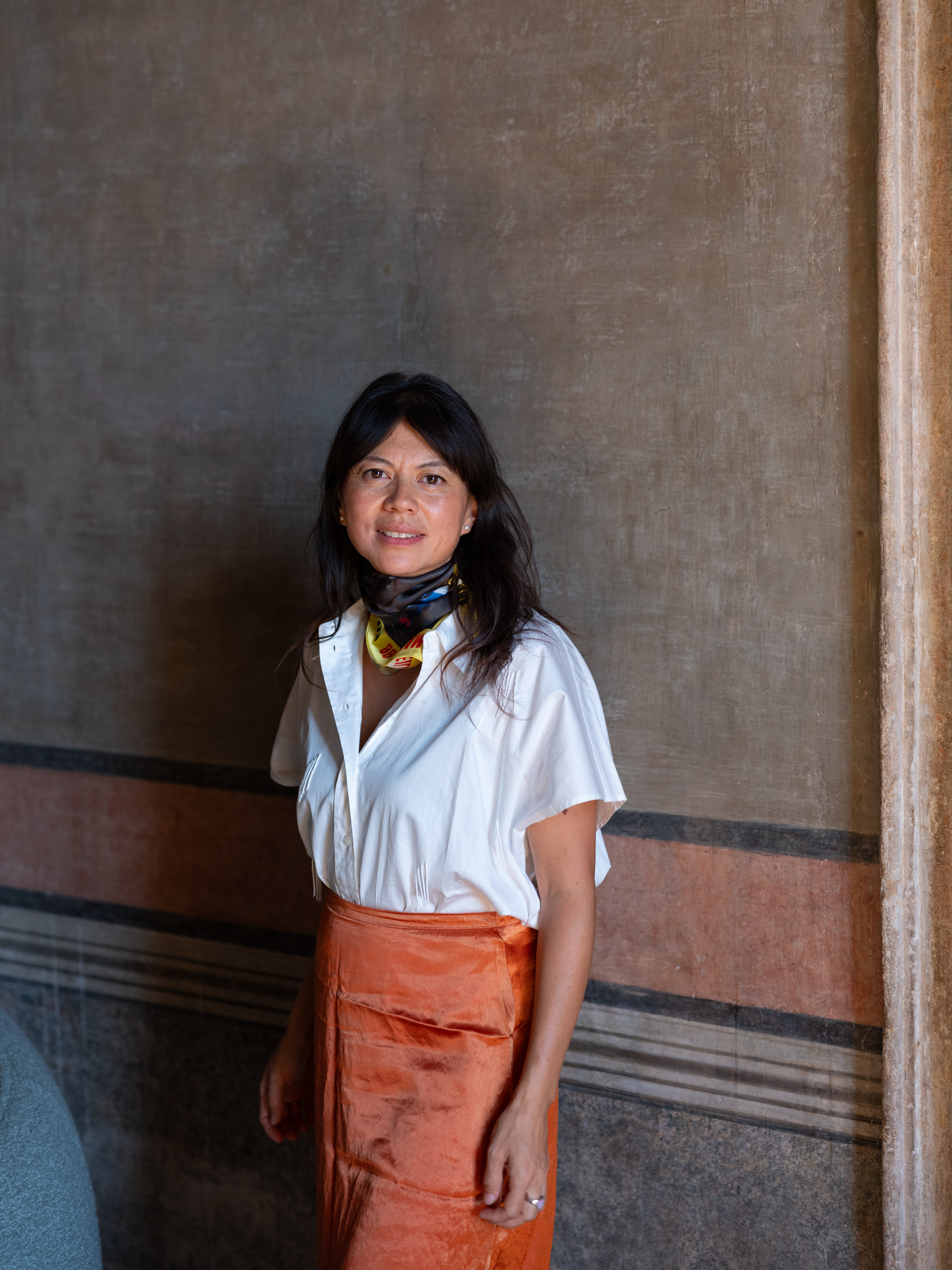
Joana Barreto

Fellow
2011 - 2012
Art history
Biography
Joana Barreto
Period: 2011-2012
Profession: Art historian Dedicated her early research to 15th-century Neapolitan art. Her PhD in art history, defended at Paris I in 2010, was entitled “Du portrait du roi à l’image de l’Etat. The Aragonese of Naples in Renaissance Italy”. Through the study of paintings, sculptures, architecture, medals, coins, ephemera, illuminations and romances, she focused on the artistic expression of half of the Italian peninsula, an unprecedented monarchical space that had a lasting impact on European courts up to the Habsburgs. By studying the artistic policies of an entire dynasty, their patronage and the main themes of their iconographic propaganda, she was able to grasp the memorial stakes involved. The king’s body thus became the vector of a Neapolitan identity, whose manifestations were tracked down to the characteristic image of the capital and the kingdom that was then taking shape. Extending the reflection on the use of portraits of the Aragonese sovereigns of Naples in contemporary courts and up to the 17th century, the thesis was able to identify a new conception of the Neapolitan renaissance in the general artistic panorama of modern Europe. In parallel with writing her doctorate, Joana Barreto taught at the University of Paris and Poitiers as an instructor and as an A.T.E.R. She has also taken part in numerous colloquia and co-published two proceedings (
Visible et lisible. Confrontations et articulations du texte et de l’image , Paris, Nouveau Monde, 2007 ;
La battaglia nel Rinascimento meridionale. Moduli narrativi tra testo e immagine, Rome, Viella, 2011). Her research project for Villa Medici is entitled “Images de bataille au temps de Machiavelli et Léonard De Vinci: la guerre dans les arts entre Italie et France”. Through a study based on all media, it aims to shed light on the genesis of the contemporary battle motif from around 1470 to 1530, i.e. from the first monumental chronicle in Naples to the
Battle of Constantine in Raphael’s Vatican studio, which rapidly became the paragon for the battle motif, contemporary or otherwise. Investigating the period prior to the codification of history painting, the project aims to conduct an analysis of the entire corpus of contemporary battles in connection with the military revolution in the West characteristic of these years, particularly during the Italian Wars.
Medici Residency André Chastel
with the INHA
Application 01.04 - 12.06.2026
Since 2010, the National Institute of Art History (INHA) and the French Academy in Rome – Villa Medici have awarded two research grants each year for research into modern and contemporary art.
These grants are intended for established researchers, whether French or foreign, who wish to travel to Rome to carry out research.