Search
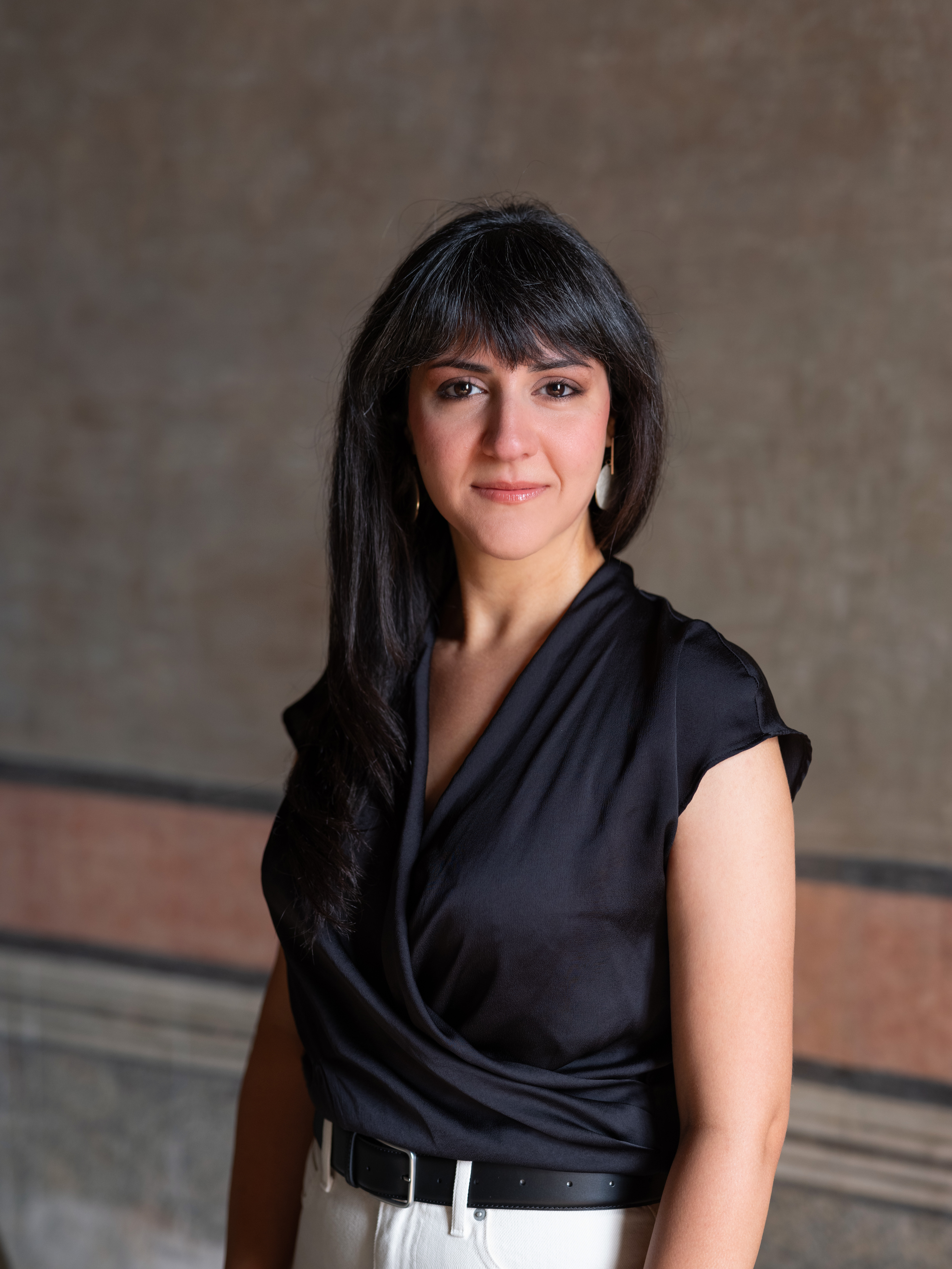
Céline Frigau

Fellow
2011 - 2012
Art history
Biography
Céline Frigau
Period: 2011-2012
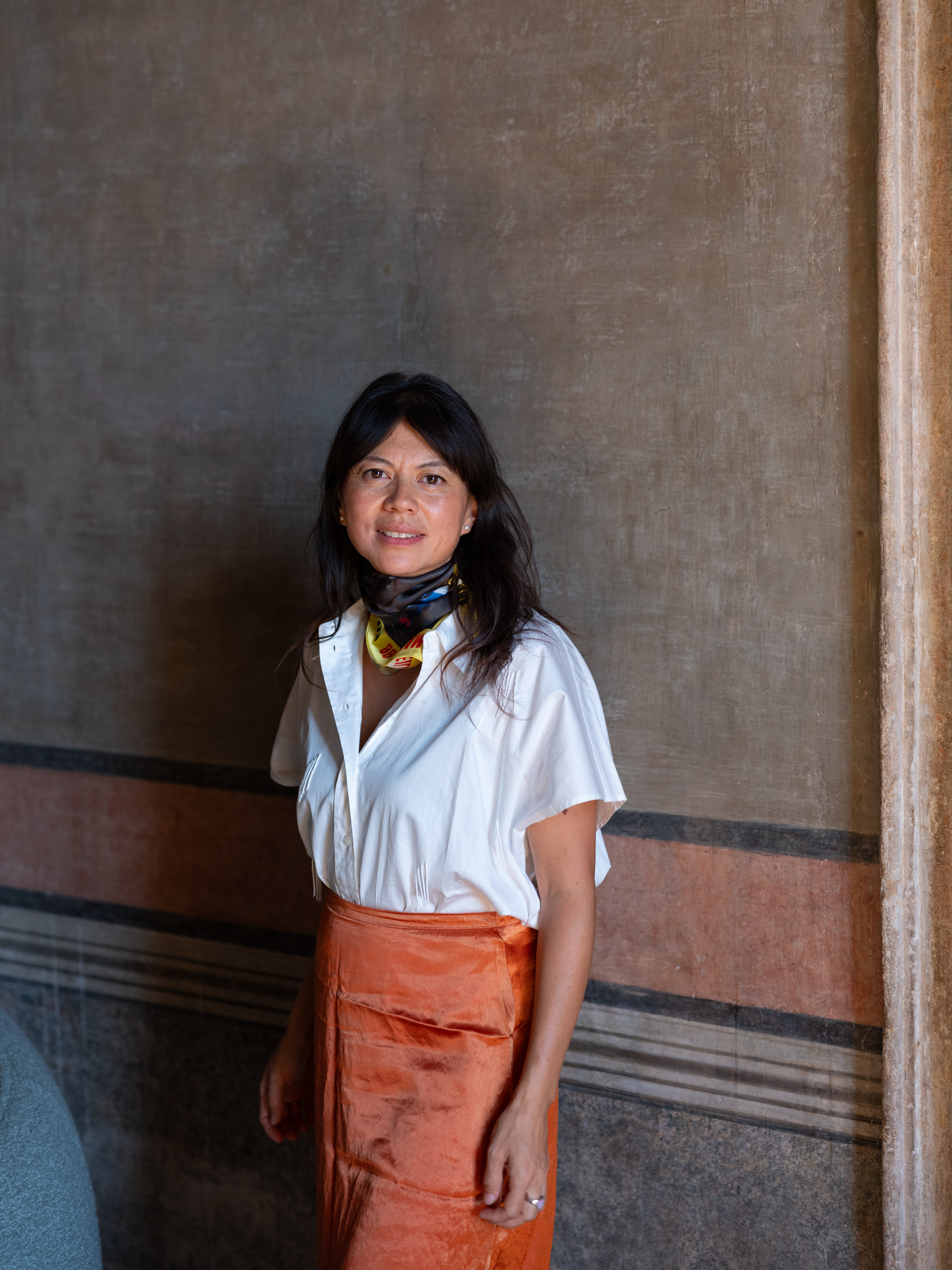
Profession: Art historian Céline Frigau was born in 1981. She is a graduate of the Conservatoire d’Avignon, an alumnus of the École normale Supérieure de la rue d’Ulm and an agrégée in Italian. Between 2004 and 2011, she taught at Northwestern University in the United States, Université Paris 8, Université d’Évry and École normale Supérieure de Paris. From 2006 to 2010, she was in charge of documentary research at the Bibliothèque nationale de France (Bibliothèque-musée de l’Opéra), responsible for promoting the collections of the Théâtre-Italien de Paris under the Restoration. In 2009, she defended her thesis in Italian studies, history of performance and music, at Université Paris 8, under joint supervision with the University of Florence. Her thesis, co-directed by Françoise Decroisette and Fiamma Nicolodi, was qualified in sections 18 (Arts), 14 (Langues romanes) and 10 (Littérature comparée). Winner of research grants from the Scuola normale Superiore in Pisa, the Fondazione Primoli in Rome and the École Française de Rome, Céline Frigau has been a resident at the Villa Médicis for 12 months since April 2011. Her thesis will be published in 2011 by Honoré Champion, in the “Romantisme et Modernités” collection, under the title :
L’œil et le geste. Pratiques scéniques de chanteurs et regards de spectateurs au Théâtre royal Italien (1815-1848) . Céline Frigau is also the author of some fifteen articles, most of them on Italian theater and opera in the first half of the 19th century. She has also produced an anthology of
La littérature italienne du XIII e siècle à nos jours (Paris, Press Pocket, 2006)
and translated literary and critical works (Carlo Gozzi,
Mémoires inutiles, trans. sous la direction de F. Decroisette, Paris, Alain Baudry, 2010 ; Guido Mazzoni,
Sur la poésie moderne , Paris, Classiques Garnier, forthcoming). His research focuses on the relationship between music, image and literature. In particular, she explores a field that is still little explored by historians of the Théâtre-Italien de Paris, which specialized in the production of Italian operas sung in the original language: that of lyric scenography and the scenic practices of singers. To shed light on these issues, Céline Frigau addresses both aesthetic and political questions, which stem directly from the institution’s local strategy, and touch on the development of an Italian approach to art, long before the unification of the peninsula, through cultural transfers between Italy and France, and sometimes even beyond. As the ways of performing, seeing and describing are indissolubly linked, the processes of creation and reception are examined together through a cross-section of sources: librettos, spectator testimonials, reviews, actors’ manuals, iconographic and administrative documents. In her thesis, Céline Frigau focused on the singers’ performance and the reception criteria of Théâtre-Italien audiences. The artists who performed there – such as Manuel García, Giuditta Pasta and Maria Malibran – were considered to be real actors. In the absence of a stage director, they are masters of their own performance – a freedom that is only conceivable within the limits of the figurative codes of the time, the demands of management and the criteria of audience perception, which must then be understood. The study is supplemented by a chronology of the theater’s performances from 1815 to 1848 and a dictionary of all its singers. Céline Frigau’s project at Villa Medici is devoted to the Bolognese painter Domenico Ferri (1795-1878), active in Italy and France in the first half of the 19th century. His itinerary raises aesthetic, technical, dramaturgical and political issues, and this research crosses the processes of creation, reception and administration, drawing on iconographic and archival sources, press articles and audience testimonials. To understand Ferri’s work, we need to analyze his relationships with contemporary scenographers, Sanquirico in particular, as well as with the landscape and historical painters of the time, and also with the entire network of Italian political exiles of the time; we also need to highlight the attention Ferri paid, in terms of acoustics and visibility, to the actors present on the stage; and we need to attempt to rediscover the eye of the spectator, whether French or Italian, who recognized in him the representative of an Italian way of art. Barthes said of the set designer that he is not “the poor relation of dramatic creation”. Nor should he be the poor relation of music history.
Medici Residency André Chastel
with the INHA
Application 01.04 - 12.06.2026
Since 2010, the National Institute of Art History (INHA) and the French Academy in Rome – Villa Medici have awarded two research grants each year for research into modern and contemporary art.
These grants are intended for established researchers, whether French or foreign, who wish to travel to Rome to carry out research.