Search
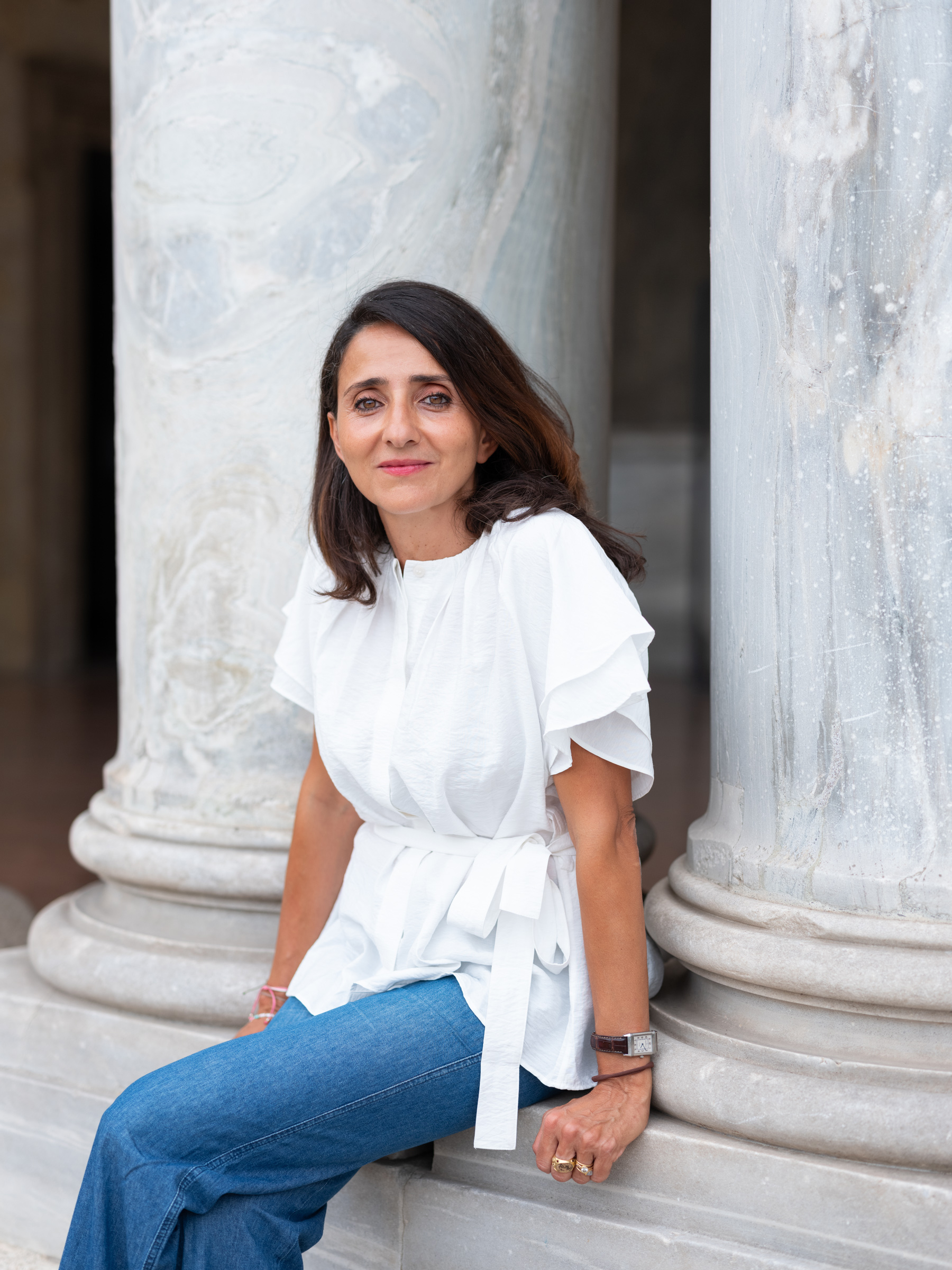
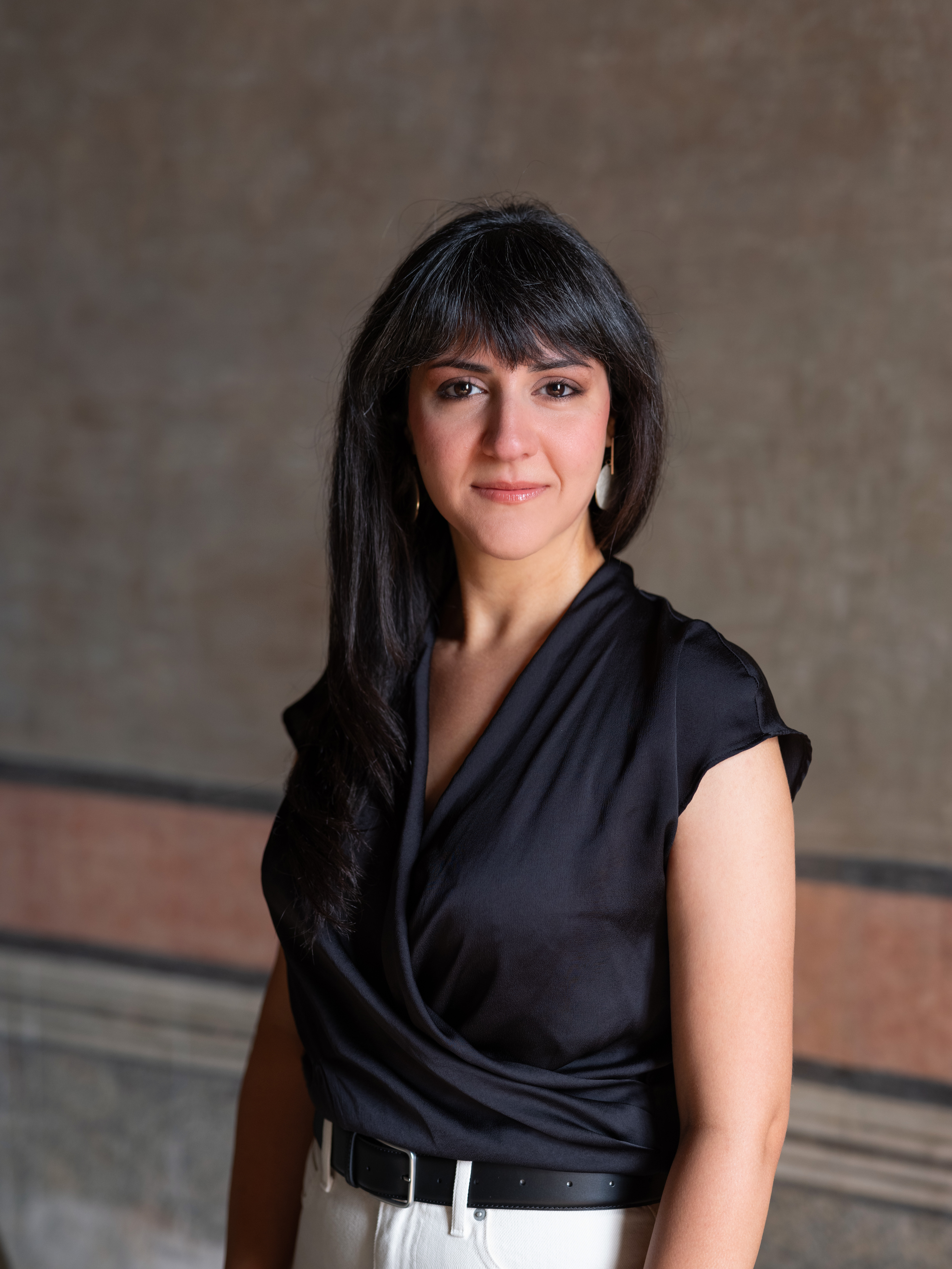
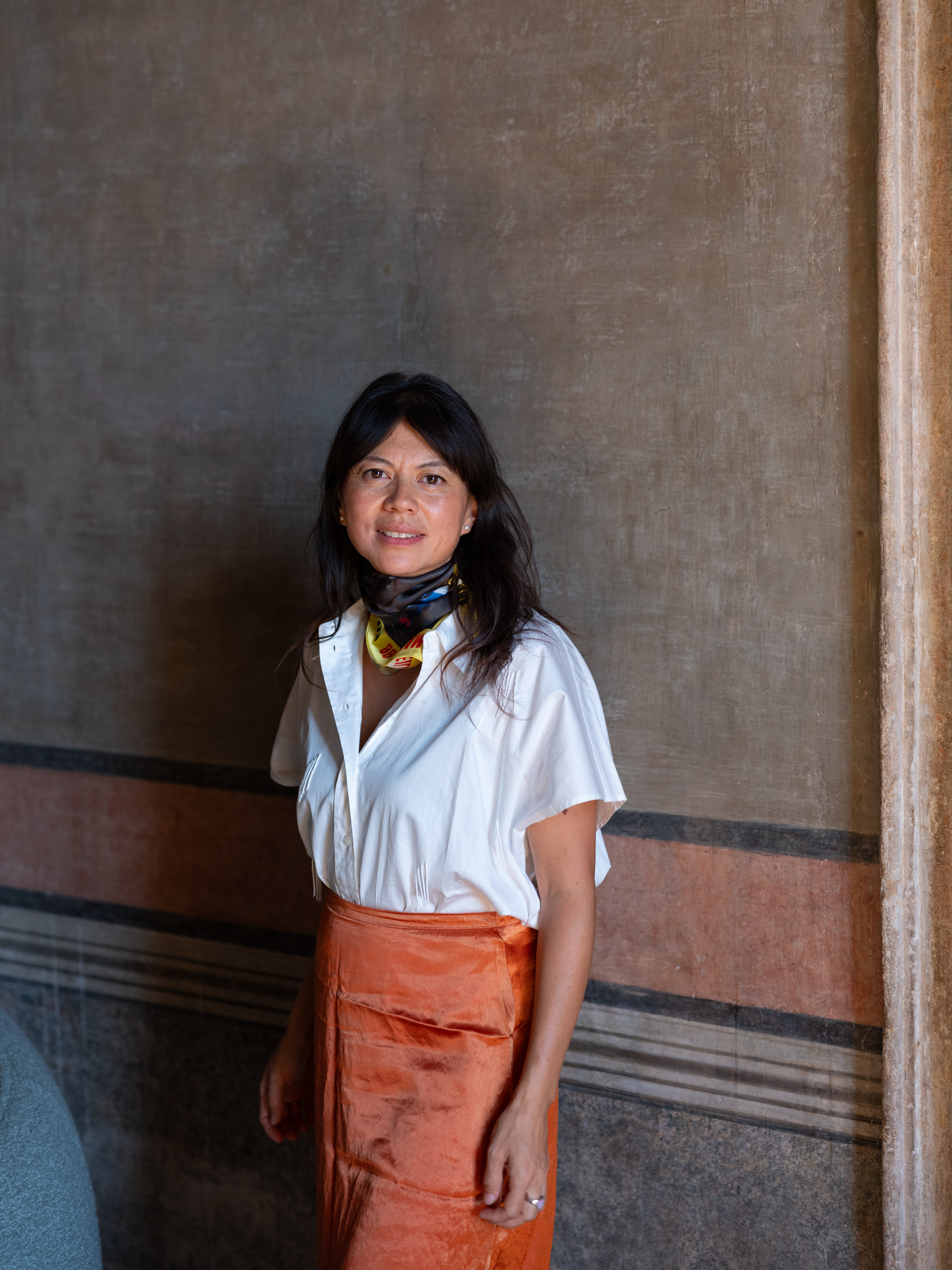
Caroline Bouguereau

Fellow
2009 - 2010
Art history
Biography
Caroline Bouguereau
Period: 2009-2010
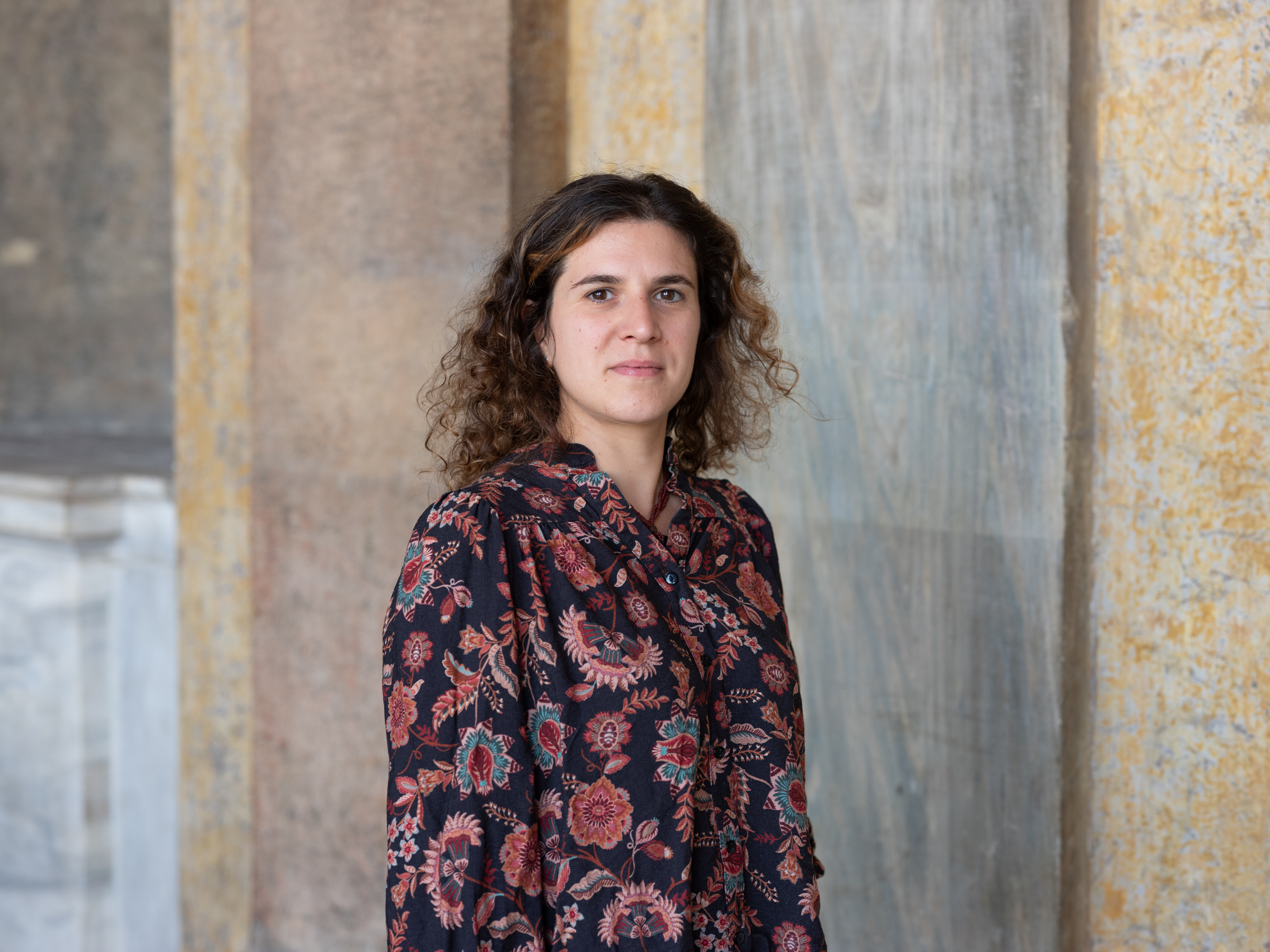
Profession: Art historian Born in 1975 in Provence, Caroline Bouguereau studied at the Université Paris I Panthéon-Sorbonne, where she obtained her Diplôme d’Etudes Approfondies d’Histoire de l’Art et de l’Architecture in 1998, under the guidance of Professor Daniel Rabreau. An artistic experience as assistant to the artist Giuseppe Gallo in Rome was to give her professional career a completely different turn. She continued her artistic training at
Chelsea
college of art and design in London, in the sculpture department. It was here that she developed her first projects linking art and the history of science, notably kinetic sculptures inspired, for example, by Galileo’s
Dialogue sur les deux grands systèmes du monde published in 1632. Artist-in-residence at the
Stanford Humanities Laboratory at Stanford University, USA, she takes part in the
artificial eyes project, researching and reconstructing the history of optical objects. In 2001, she also reconstructed Athanasius Kircher’s historic clock for an exhibition devoted to the work of this 17th-century Jesuit and scholar, a sculpture on permanent display at the Stanford University Library. At the same time, she is interested in non-toxic traditional etching processes using electrolysis and biological products. Her work can be found in a number of private and public collections, including an etching on the theme of optics on permanent display at the
Museum
of Jurassic Technology in Los Angeles. Caroline’s current art history research focuses on the papacy’s position on science and its representations, and more specifically on the iconography and critical reception of Gerbert D’Aurillac, Pope Silvestre II, in the modern era. Gerbert, who was pope in the year 1000, was able to transmit the knowledge of the Arab world to Christian Europe, introducing the astrolabe and Indo-Arabic numerals to the West. This protagonist of the history of science was an astronomer, inventor and musician, but he was also a humanist philosopher who played a major political role in the renewal of the Christian West at the end of the 10th century. Yet the iconographic corpus surrounding this exceptional figure has never been studied. Caroline is a 12-month resident at Villa Medici, starting in October 2009.
Medici Residency André Chastel
with the INHA
Application 01.04 - 12.06.2026
Since 2010, the National Institute of Art History (INHA) and the French Academy in Rome – Villa Medici have awarded two research grants each year for research into modern and contemporary art.
These grants are intended for established researchers, whether French or foreign, who wish to travel to Rome to carry out research.