Search
Assemblée
Guest artist
20.04.2026 - 24.04.2026
Arts and crafts
Cinema
Cooking practices
curating
Literature
Sculpture
Visual arts
Biography
Art, Rituals, and Politics: Toward a Pluriversal Assembly
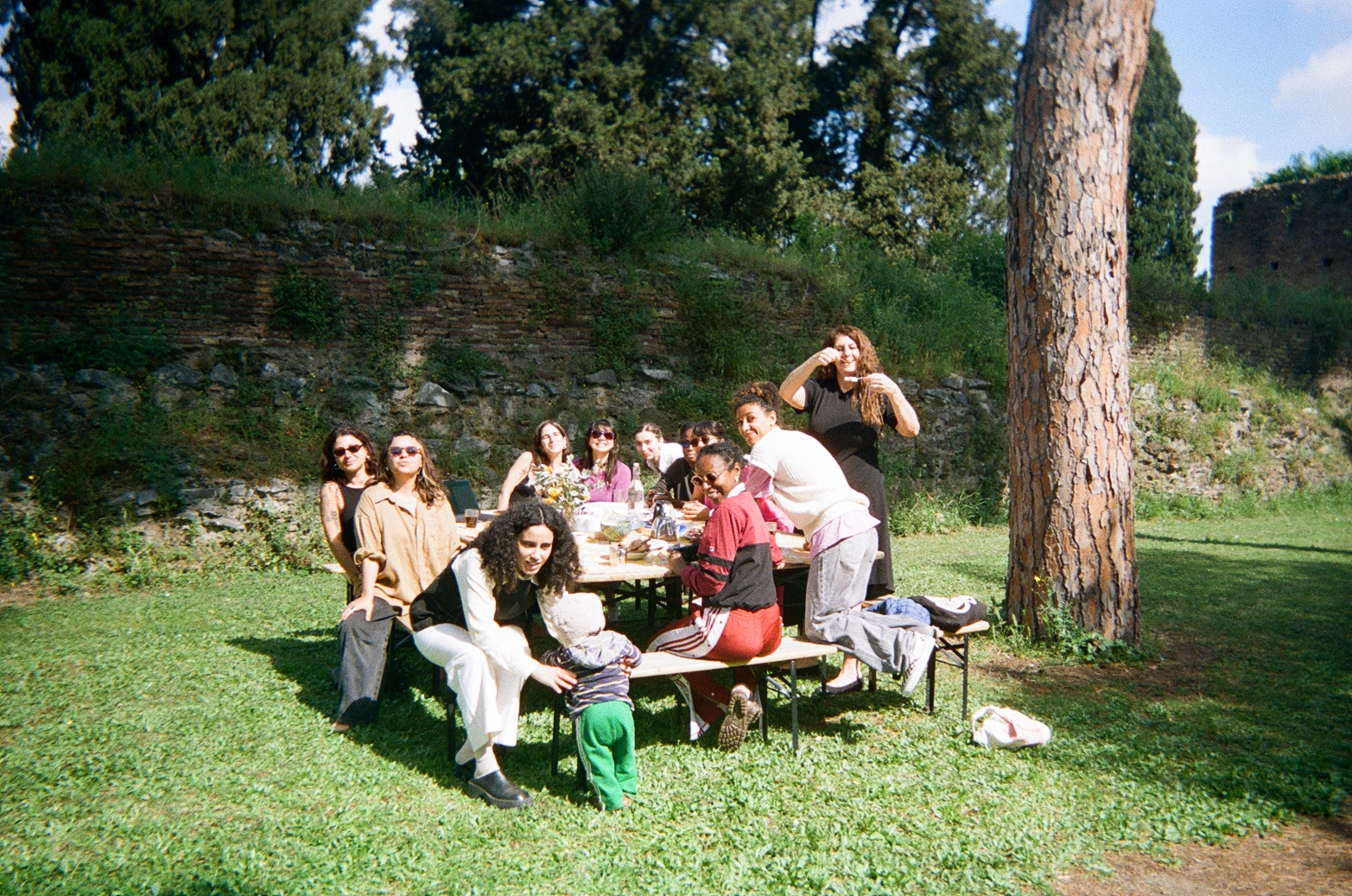
What do these tirelessly repeated gestures, breaths, songs, and prayers tell us? What do our rituals convey—in the face of policies of erasure, injustice, and pain? Assemblée is a traveling artistic and political manifestation whose inaugural edition took place at Villa Medici in April 2026, at the invitation of Camille Lévy Sarfati (2025–2026 fellow). It brings together artists, thinkers, and organizers in affinity spaces to explore the interactions between ritual, art, and politics—a way to celebrate and mobilize the narrative, creative, political, and emotional power of the rituals that inhabit us.
Assemblée is being built over the long term as a fluid and organic space for learning, sharing knowledge and skills, critical reflection, and collective creation directed toward alternative political imaginaries. In the face of the fragmentation of our worlds and the extreme violence that traverses them, and in contrast to the coldness of the art market and the difficulties institutions face in welcoming, this hybrid, evolving collective initiative strives to reflect on (and create) the conditions for the circulation of ideas, struggles, and solidarity. It centers on the notions of community, hospitality, encounter, and conversation, making polyphony a crucial tool of resistance—relational, ritual, and affective (1).
(1) The idea of affective resistance is borrowed from Chowra Makaremi; see Affective Resistances: The Politics of Attachment in the Face of the Politics of Cruelty (2025)
Assembly #1 was held at Villa Medici in Rome from April 20 to 24, 2026, with a public event at Zalib, a self-managed cultural center in Rome, to which we extend our warmest thanks.
Project
Olivia Tapiero is a writer, translator, musician, and performer born in Tiohtià:ke (Montreal). She lives and works in Marseille. Her ever-evolving body of work is marked by a sensitivity to disintegration and a distrust of institutions and nationalism. She is the author of several books, including Les murs ( 2009 Robert-Cliche Prize), Phototaxie ( 2017), Rien du tout ( 2021, finalist for the Governor General’s Literary Award of Canada), and Un carré de poussière (2025, Eva-le-Grand Spirale Prize).
Camille Lévy Sarfati is a curator, author, and educator based in Tunis, and a resident at Villa Medici for the 2025–2026 season. Her practice draws on writing, curation, imagery, and counter-mapping. She is particularly interested in diasporic thought and the idea of return; in the notions of erasure and trace; and in ritual as a space of resistance in the artistic and activist practices of the Afro-Asian continents and their diasporas.
Myriam Rabah-Konaté is a sound documentary filmmaker, dancer, author, and translator. Based in Marseille, her work spans a variety of geographic and diasporic spaces (Seine-Saint-Denis, Rabat, London, etc.). In her documentaries for France Culture—notably Écouter La Muette, the story of memories from a housing project in Drancy, and Maryse Condé on sisterhood. Through the pages, the gestures, and Les Invisibles — she brings together voices that explore the memories and places that shape us.
Emily Sarsam is an artist and researcher who works with sound composition, creative writing, performance, and sculpture. Her research mainly looks at the impacts of colonialism and extractivism on commoning, farming and local cosmologies. She is particularly interested in how the creative process of fiction writing is influenced by sonic composition, and vice versa. She is a co-founder of Broudou, a research collective and publication dedicated to the future of food in Tunisia, and a team member of Tunis-based artist residency & project space, Mouhit.
Based in Cape Town, Thania Petersen embodies the plural histories, spiritualities, sonorities, and cultures of the Afrasiatic Sea. Central to her practice is her creole Afro-Asian heritage, her engagement with Sufi ceremonial traditions, and her lineage as a direct descendant of Abdullah ibn Qadi Abdus Salaam—an Indonesian prince, scholar, and resistance leader exiled to the Cape by the Dutch for opposing colonial rule. She approaches the ocean as a site of collective memory, tracing ancestral routes that converge in present-day post-apartheid Cape Town. She is part of the 61st exhibition of the Venice Biennale (2026), In Minor Keys by Koyo Kouoh.
Born in 1990, Emné Nasereddine is a writer. Her first collection, La Danse du figuier, winner of the 2021 Émile-Nelligan Prize, has been translated into English and adapted into an opera (Bourgie, Montreal Museum of Fine Arts). Her second book, Je suis l’homme aussi, a finalist for the Leynaud Prize, was published in February 2024. Now based in Marseille, she is working on her third book, which explores the totalitarianism of language and the materiality of the world through a mystical lens.
Aziza Gorgi is an artist who explores various media through which she addresses design, aesthetics, and taste in the built environment. She creates sculptures, earthenware, murals, and choreographies. Her research themes range from North African popular culture to local manifestations of “modernity,” colonialism, and tradition. She is also one of the co-founders of Broudou, a research and publishing collective dedicated to the future of food in Tunisia.
Fatim Soumaré is a visual artist, researcher and weaver based in the Siin region. Her work is rooted in the traditional textile crafts of West Africa, discovered through her mother, a traditional dyer. Her work emphasizes the importance of maintaining and evolving traditional crafts within contemporary contexts, contributing to Senegal’s rural ecosystem. In 2021, she founded Falé, a collective of 200 craftswomen, and established a workshop-laboratory dedicated to research on cotton, examining its transformation as a lens on modern societies.
Diaty Diallo is an author and artist who reads, performs, and sings her poetic and political writings. Through novels, poems, columns, and plays, she explores the roots and mechanisms of domination, seeking to analyze the effects of systemic violence—even in its most ordinary forms—on the bodies and minds of those it subjugates. In 2022, she published her first novel, Deux secondes d’air qui brûle (Seuil), a finalist for the Prix Médicis. She was a fellow at Villa Medici in Rome in 2025–2026.
Naeima Yaqoub, (Libya, 1998) is an anti-racism and refugee rights activist. She is the co-founder of Refugees in Libya, an organization created in 2021 following a 100-day protest demanding equal treatment, dignity, and justice. A victim of systemic racist violence in the country where she grew up, she tried to flee several times, unsuccessfully, before being relocated to Sweden, where she continues to work tirelessly for the rights of refugees. There, she is involved in social work to support the community and travels across Europe to make the voices of refugees in Libya heard and to advocate for their evacuation, justice, and protection.
Thu-Van Tran (Vietnam, 1979) lives and works in Paris, France. Over the past twenty years, she has developed a body of work whose focus on memory is expressed through sculptural installations, monumental murals, and filmed narratives. Her practice draws inspiration from literature, history, and nature, focusing on how the concepts of contamination, identity, and language unfold within these fields. She is preparing a solo exhibition at KINDL in Berlin for 2026 and at the Palais de Tokyo in Paris for 2027. She was a fellow at Villa Medici in Rome in 2025–2026.
A leading figure in France’s hip-hop scene, Bintou Dembélé carries on the unique legacy of popular culture, embodying through her creative work a Maroon philosophy and dance style. In 2002, she founded Rualité, an organization dedicated to these artistic and cultural projects, fostering a fruitful dialogue between dance, music, and voice on one hand, and the visual arts on the other. From Les Indes Galantes at the Paris National Opera to art centers such as the Palais de la Porte Dorée, the Centre Pompidou, and the Palazzo Grassi, she redefines forms of ritual that run counter to her surroundings.
Emily Jacir is an artist and educator active in the Mediterranean. Her work focuses on themes of transformation, translation, resistance, and the exploration of silenced historical narratives. She uses a wide range of media and methodologies including film, video, photography, sculpture, installation, performance and archival research. Jacir has been actively involved in education in Palestine since 2000 and is deeply invested in creating alternative spaces for knowledge production internationally. She is the founder of Dar Yusuf Nasri Jacir for Art and Research in Bethlehem, fostering alternative pedagogic and artistic practices.
Randa Maroufi iexplores and creates a dialogue between both visible and invisible structures that shape the social spaces in which we live. At the intersection of photography, film, installation, and performance, her artistic practice is rooted in a system of exchange with the people she films, with each staged situation resulting from an ongoing dialogue. Sharing is the beating heart of her approach, her aesthetic, and her political commitment. She was a fellow at Villa Medici, Rome for 2025-2026.
Marie-Claire Messouma Manlanbien (1990, France) is a visual artist who graduated from the École nationale supérieure d’art de Paris-Cergy in 2016. Her work has been featured in solo exhibitions at the Palais de Tokyo (Paris) in 2023 and at the Orangerie du Sénat (Paris) in 2021. More recently, her works have been featured in group exhibitions at the Centre Pompidou Metz and the Centraal Museum (Utrecht). She was a fellow at Villa Medici for 2025–2026.
Partners of the Assemblée Air France, Zalib Library, French Institute of Senegal in Dakar, Austrian cultural forum in Rome, Nessij Collective
Guest artists
Arts and crafts, Cinema, Cooking practices, curating, Literature, Sculpture, Visual arts
Astrid de La Forest
Ramata-Toulaye Sy
Bertrand Belin
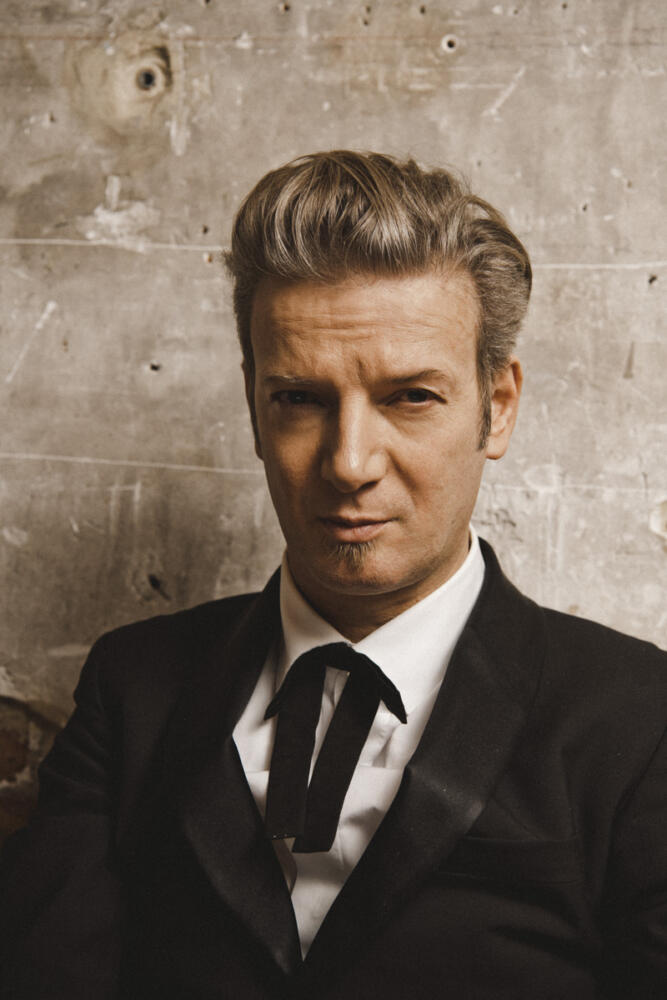
Abdelkader Benchamma
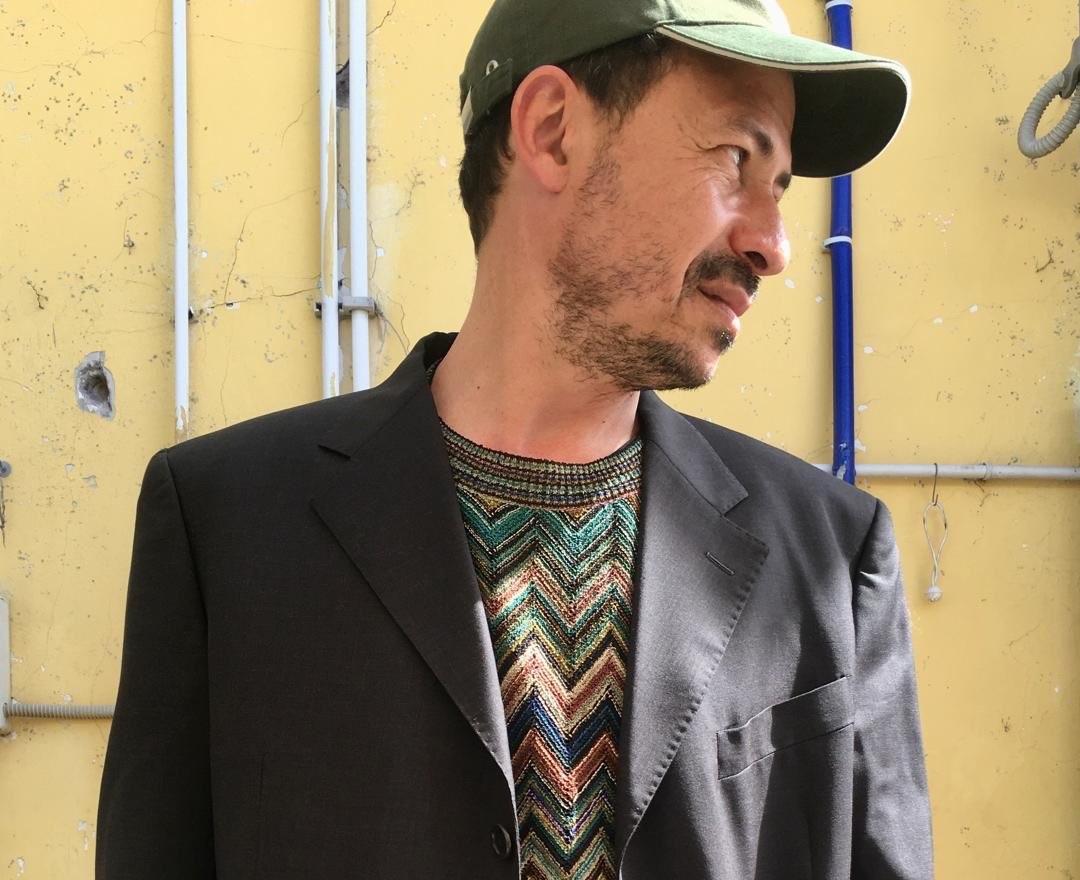
Elise Blotière
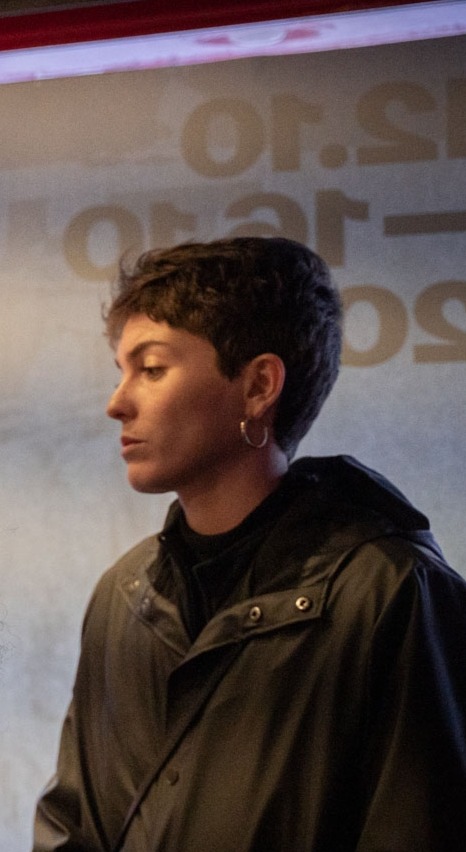
Clément Cogitore
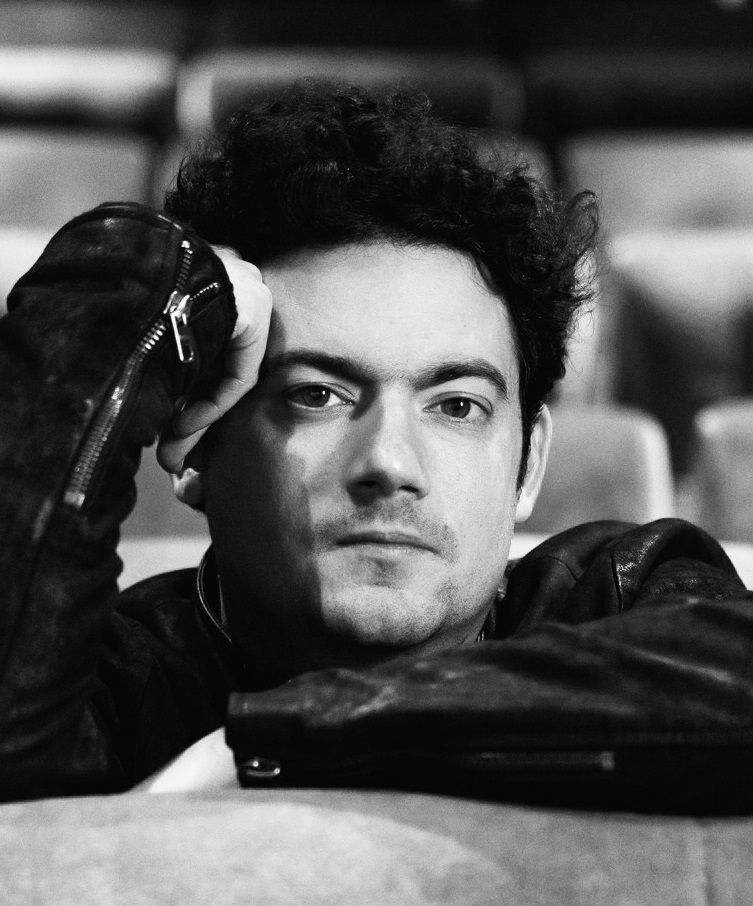
Tohé Commaret
Isabelle Cornaro
Alain Damasio
Maylis de Kerangal
Nelson Carlo de Los Santos Arias
Rebecca Digne
Anne Paulicevich et Frédéric Fonteyne
Emilie Frèche
Sébastien Kheroufi
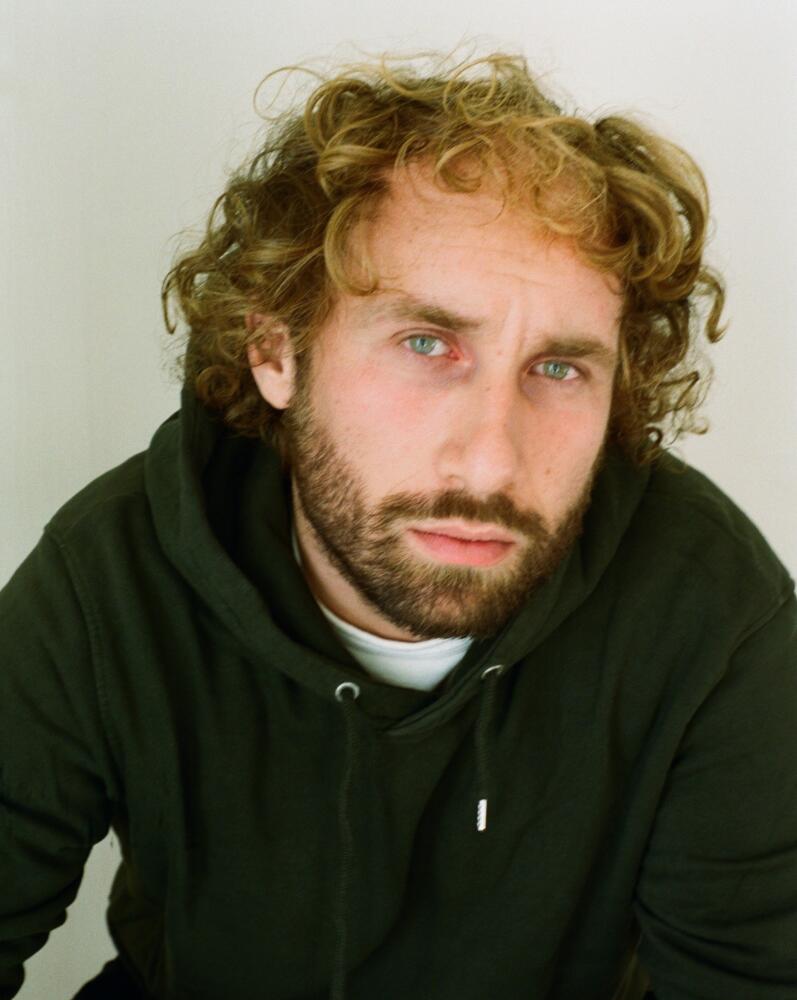
Minh Lan Tran
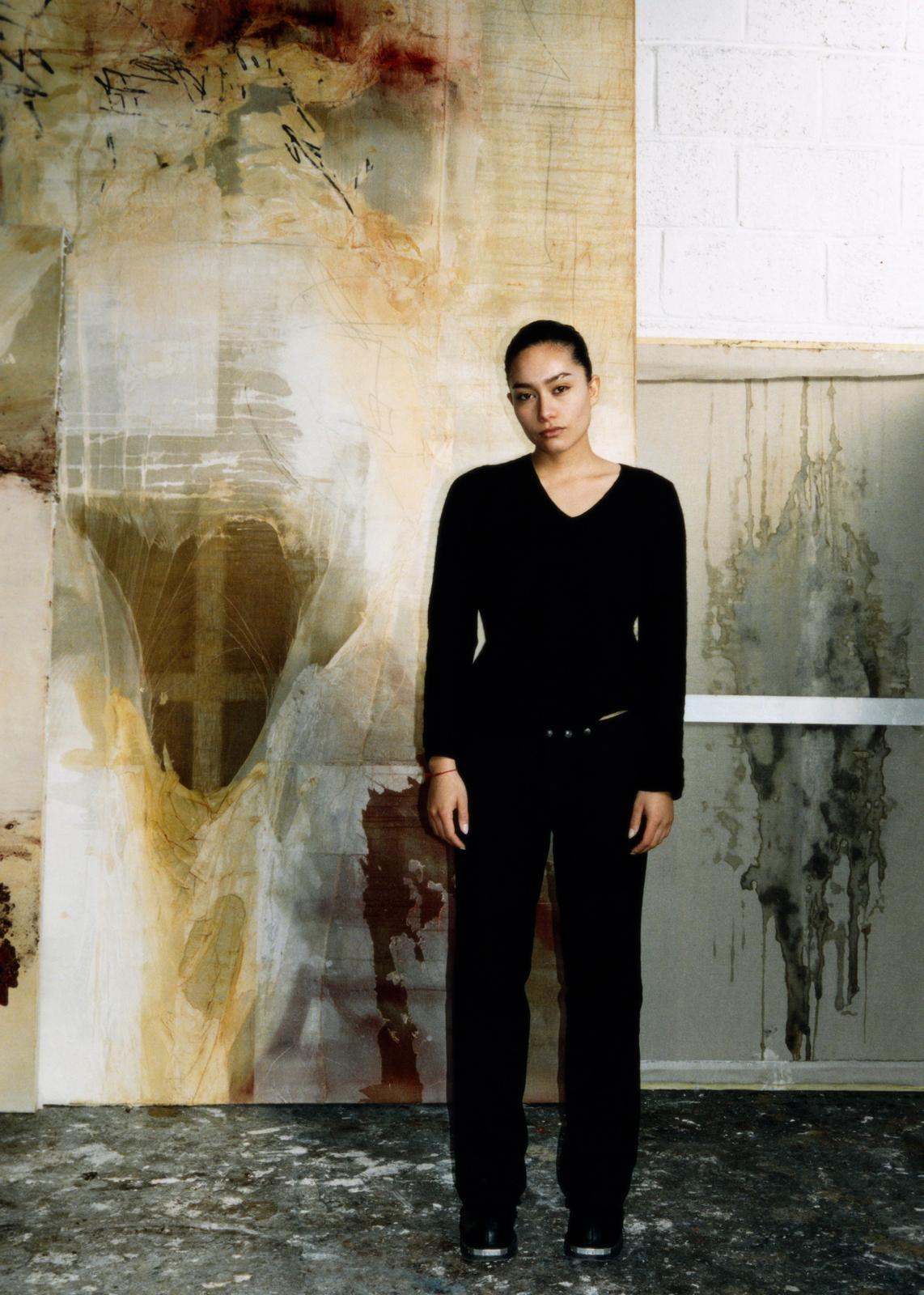
Claire Le Restif
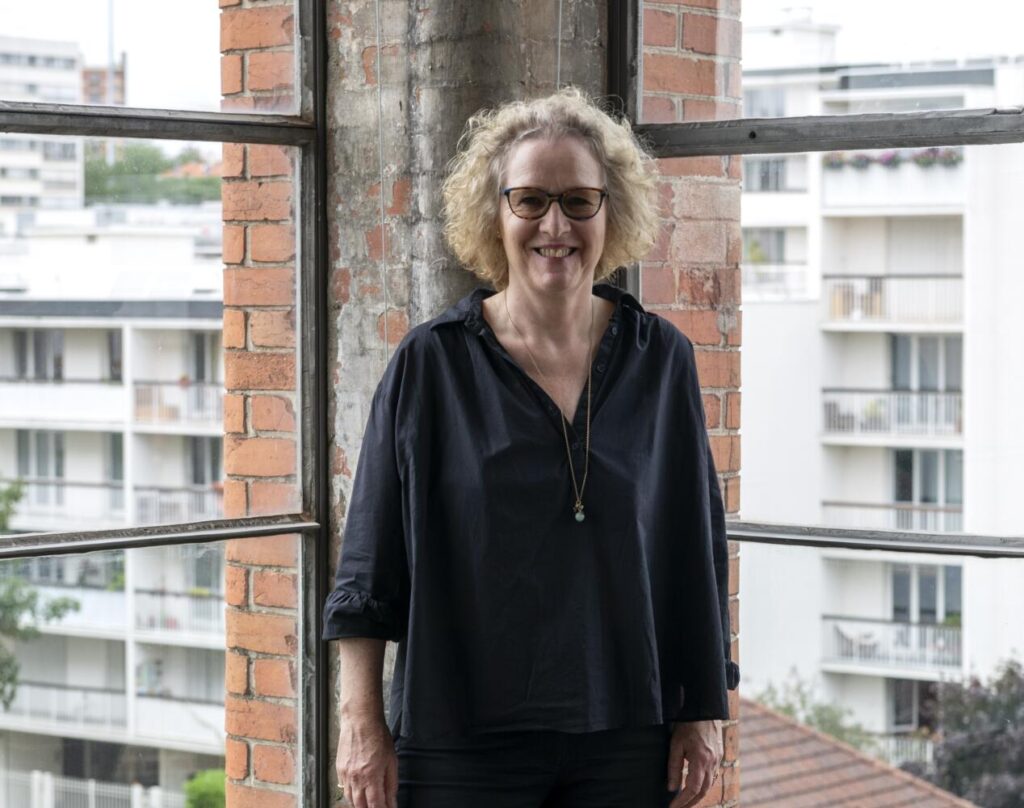
Lili Reynaud-Dewar
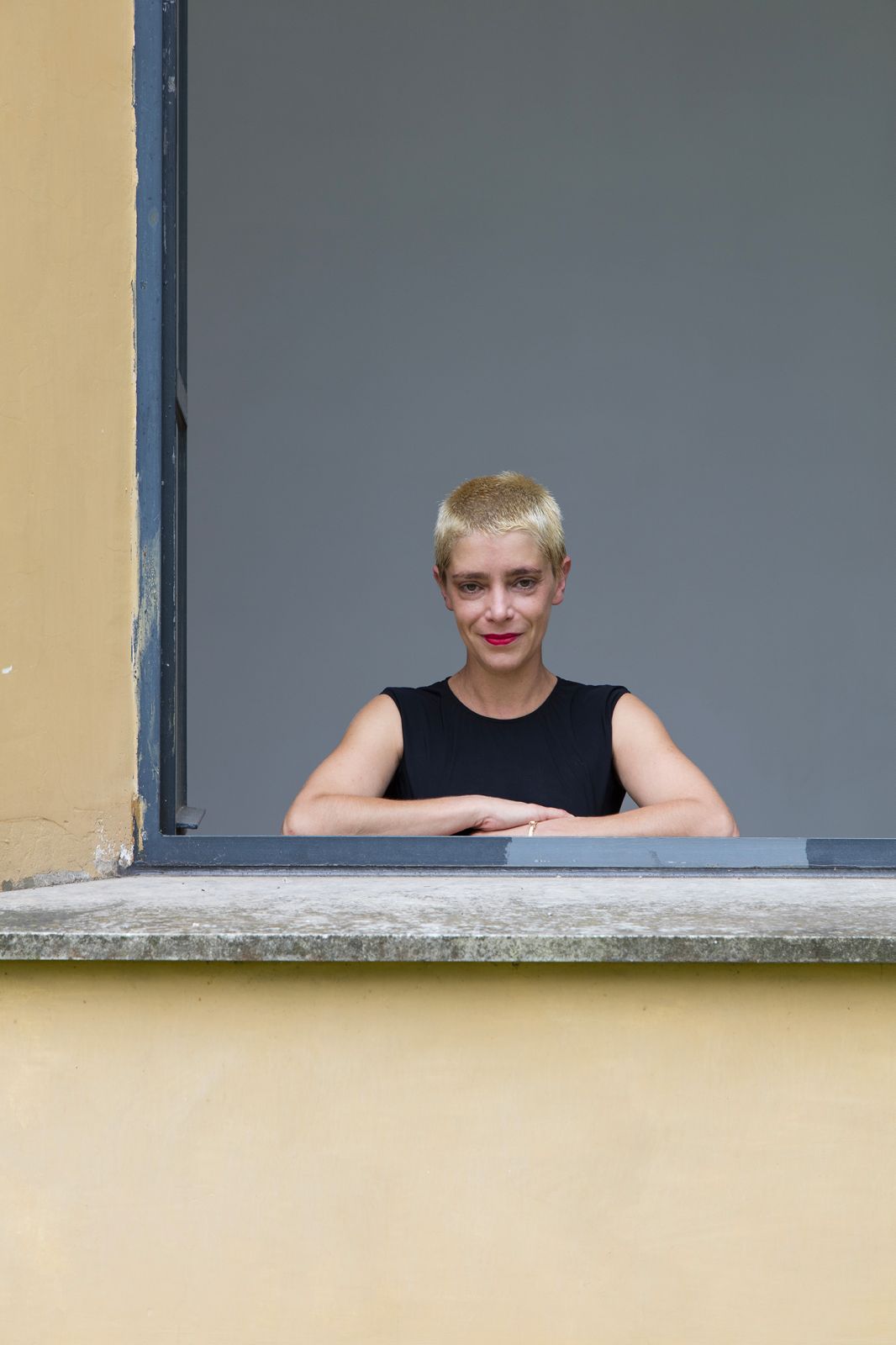
Lili Reynaud-Dewar
Pol Taburet
Adele Tulli
Rebeka Warrior