
Search
Mame-Fatou Niang
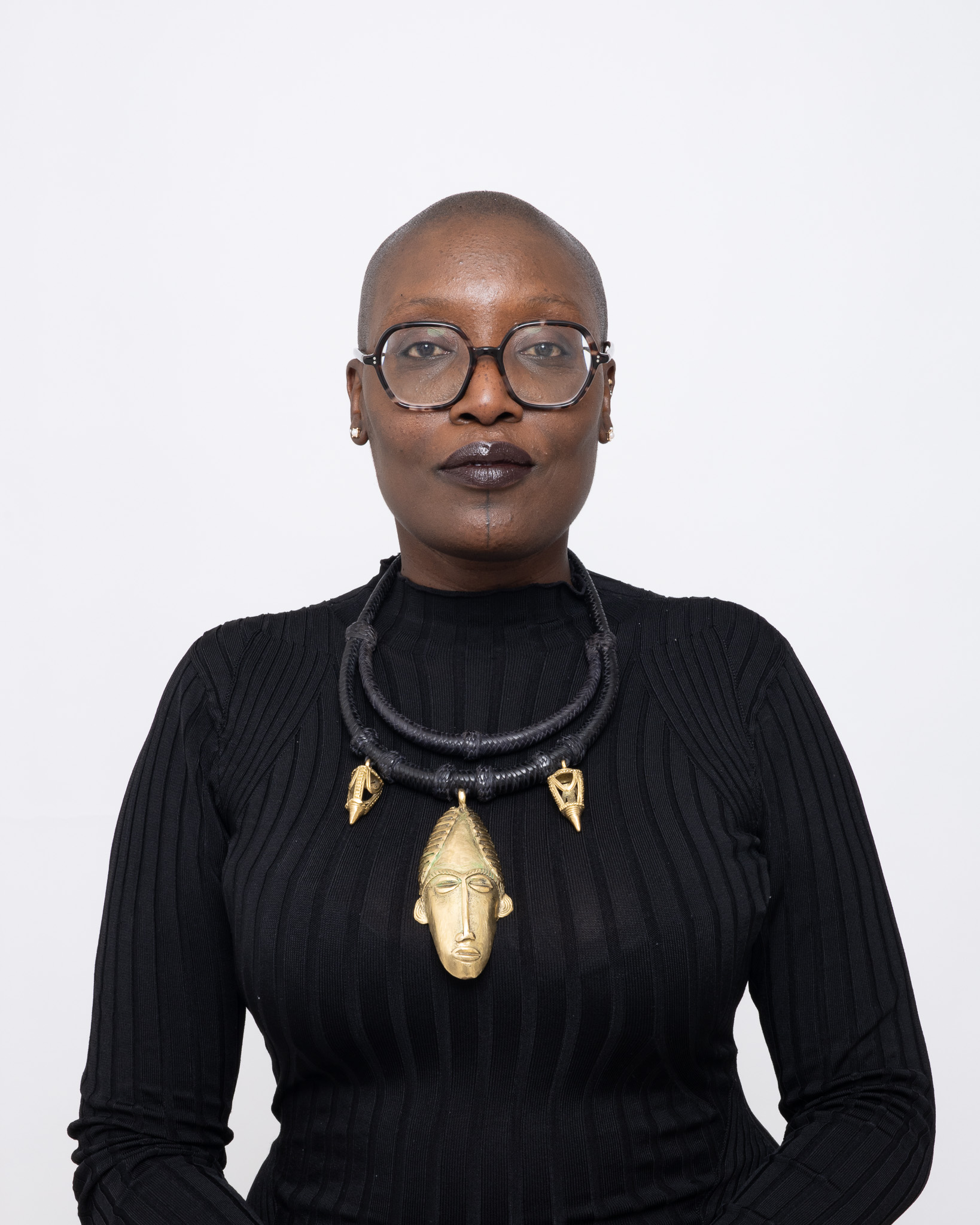
Resident
01.06.2026 - 30.06.2026
Medici Residency with the Ateliers Médicis
Literature
Research
Visual arts
Biography
Mame-Fatou Niang is Professor of Global French Studies and the founder of the Center for Black European Studies. She is the author of Identités françaises (2019), co-author with Julien Suaudeau of Universalisme (2022), and the director of Mariannes noires (2015). She is currently completing an essay on filmmaker Alice Diop, as well as a translation of works by theorist Beatriz Nascimento. Since 2024, she has served as a curator of FLUP, the Rio de Janeiro Literary Festival. During her residency at the Villa Médicis, Niang will complete Néoblaste, a booklet developed from Échoïques, an artistic residency project. Échoïques is a series of works created in collaboration with six residents of Clichy-sous-Bois, drawing on their memories of the Chêne Pointu neighborhood.
Project
In her art residency “Échoïques”, Mame explored the connections between sound and the sensory memories of place with six women from Clichy-Montfermeil. Her residency at the Villa Médicis will be devoted to completing her art notebook “Néoblaste,” named after the stem cells that enable the regeneration of damaged parts in certain animals and plants. In Rome, Mame wishes to extend the metaphor of a city proudly built on ruins, in the way she thinks about memory as a living cell that survives the ruptures of history.

Medici Residency André Chastel
with the INHA
Application 01.04 - 12.06.2026
Dal 2010, l’Istituto Nazionale di Storia dell’Arte (INHA) e l’Accademia di Francia a Roma – Villa Medici assegnano ogni anno due borse di studio per ricerche sull’arte dell’epoca moderna e contemporanea.
Queste borse di studio sono destinate a ricercatori e ricercatrici affermati, francesi o stranieri, che desiderino recarsi a Roma per svolgere attività di ricerca.