
Search
Céline Ventura Teixeira
Resident
01.06.2026 - 12.07.2026
Medici Residency André Chastel with the INHA
Art history
Biography
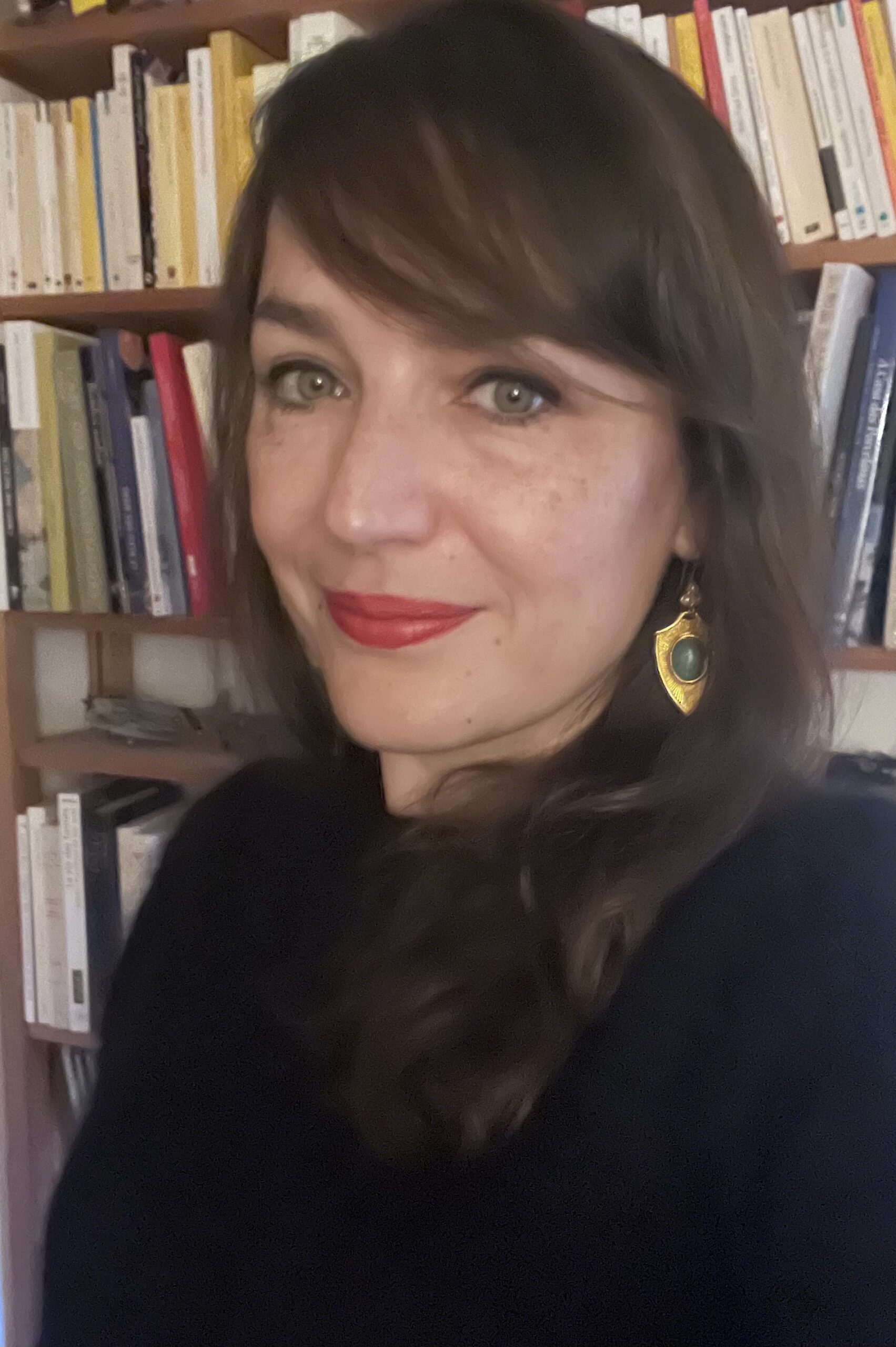
Céline Ventura Teixeira is a lecturer in Modern Art History at Aix-Marseille University, specialising in the arts of the Iberian Peninsula in the 16th and 17th centuries. A visiting researcher at the Bard Graduate Centre (New York), winner of the Fondation des Treilles Young Researchers Award and then a post-doc at Labex-CAP (Institut National d’Histoire de l’Art / Sèvres – Manufacture et Musée Nationaux), Céline Ventura Teixeira devotes her research to the decorative arts, ornamentation and adornment. She is currently preparing a critical co-edition (with Sophie-Bérangère Singlard) of Quilatador de oro, plata y piedras preciosas (1572) by goldsmith Juan de Arfe.
Project
Her residency project focuses on the decisive role played by artistic, intellectual and diplomatic exchanges between the Iberian Peninsula and Rome in the dissemination and reception of precious and semi-precious stones from the New World during the 16th century. Manuscripts, goldsmithing treatises, guild registers and papal inventories will contribute, from a new angle, to the analysis of objects and gems whose rarity or novelty determines their appreciation and use. These different perspectives challenge the assumption of a fixed material culture in favour of the fabric, the network of relationships that these precious stones create.
Medici Residency André Chastel
with the INHA
Application 01.04 - 12.06.2026
Dal 2010, l’Istituto Nazionale di Storia dell’Arte (INHA) e l’Accademia di Francia a Roma – Villa Medici assegnano ogni anno due borse di studio per ricerche sull’arte dell’epoca moderna e contemporanea.
Queste borse di studio sono destinate a ricercatori e ricercatrici affermati, francesi o stranieri, che desiderino recarsi a Roma per svolgere attività di ricerca.