Search
Italian fashion Ball
Event organized by Lasseindra Ninja
12.02.2023
Sunday, February 12,
Admission from 4:00 pm to 8:00 pm
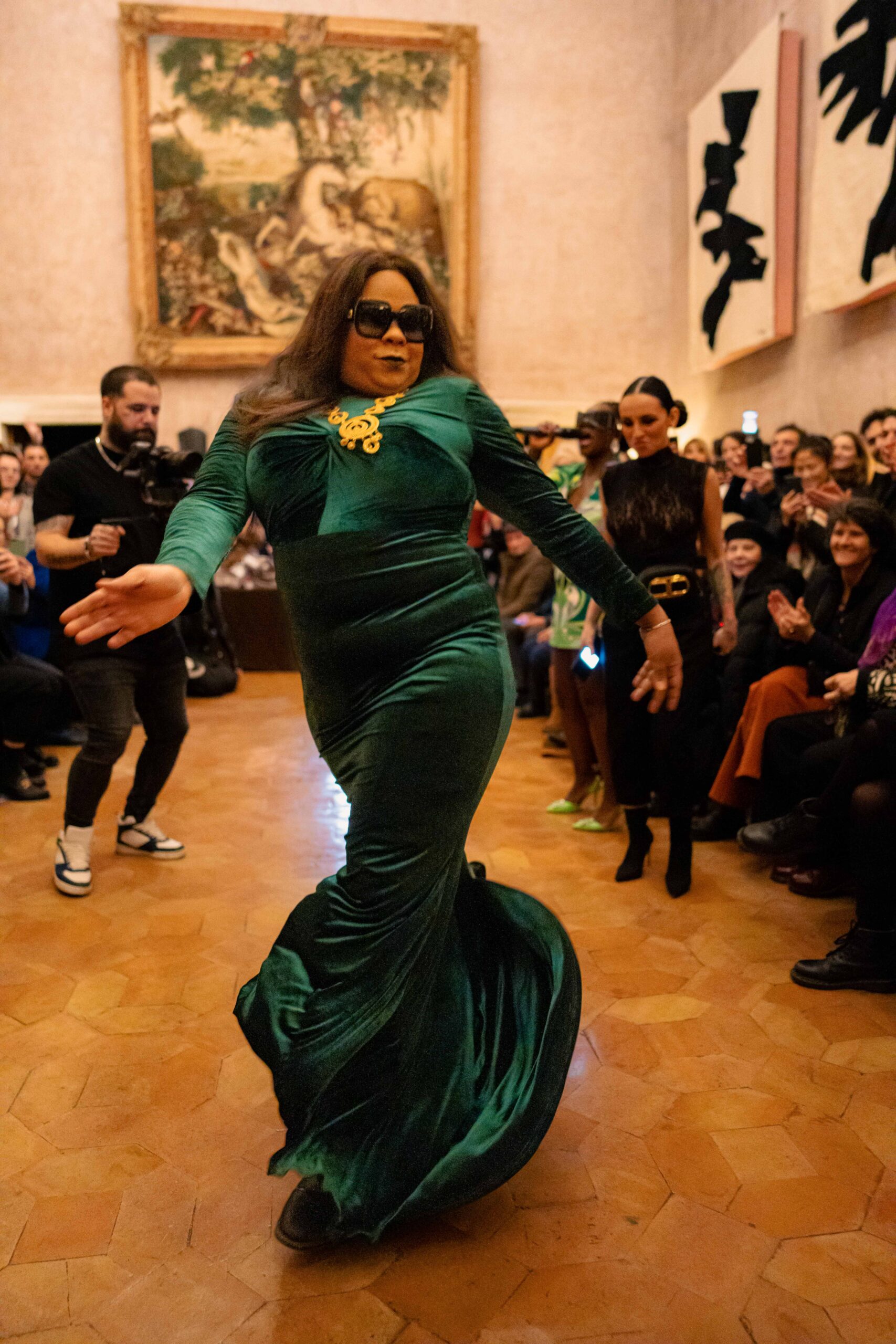
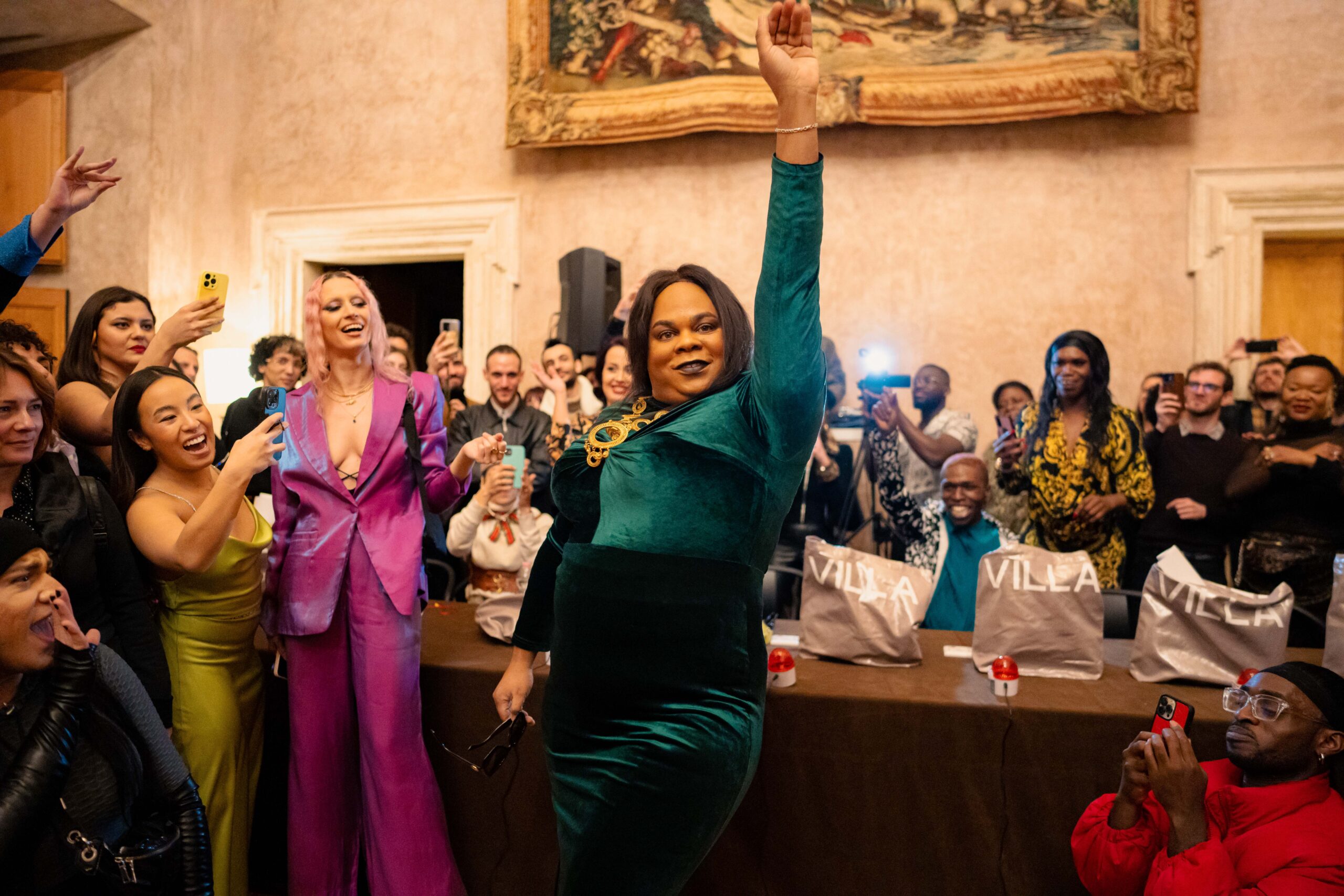
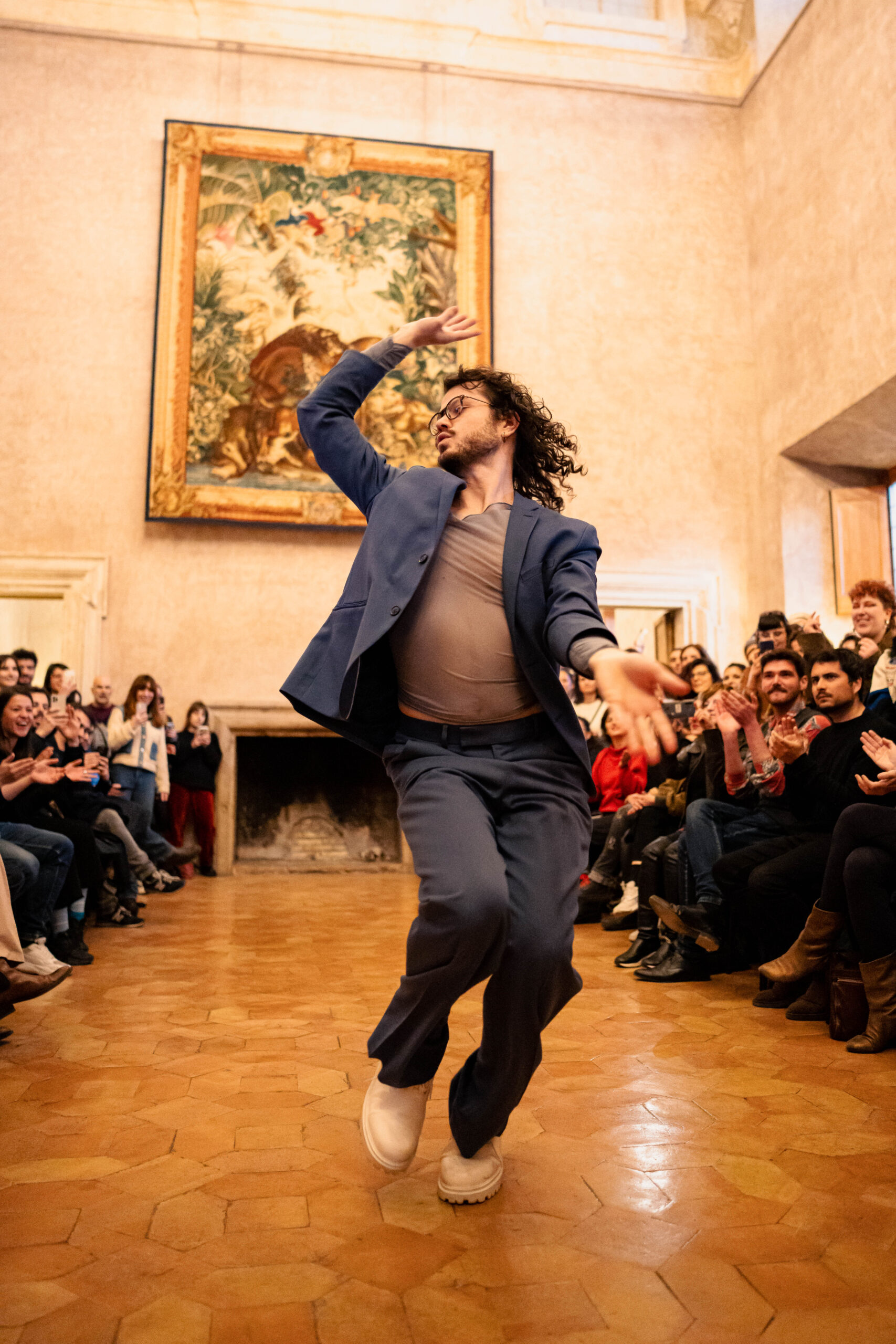
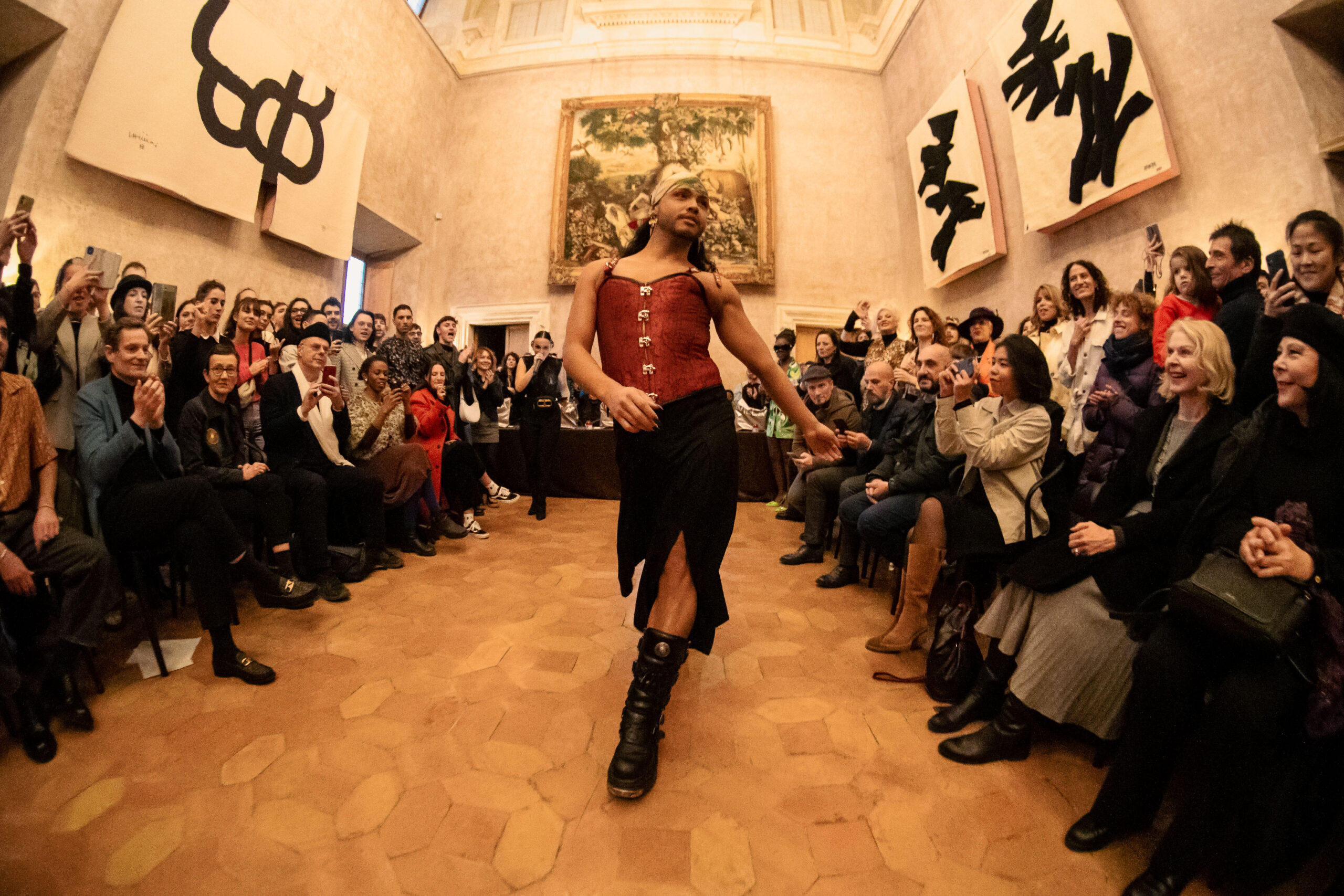
Grand Salon, Villa Medici
Free event, advance booking required
➝ SOLD OUT
Event reserved for people over 18.
Please consider cancelling your booking if you no longer wish to take part, to allow others to attend the event.
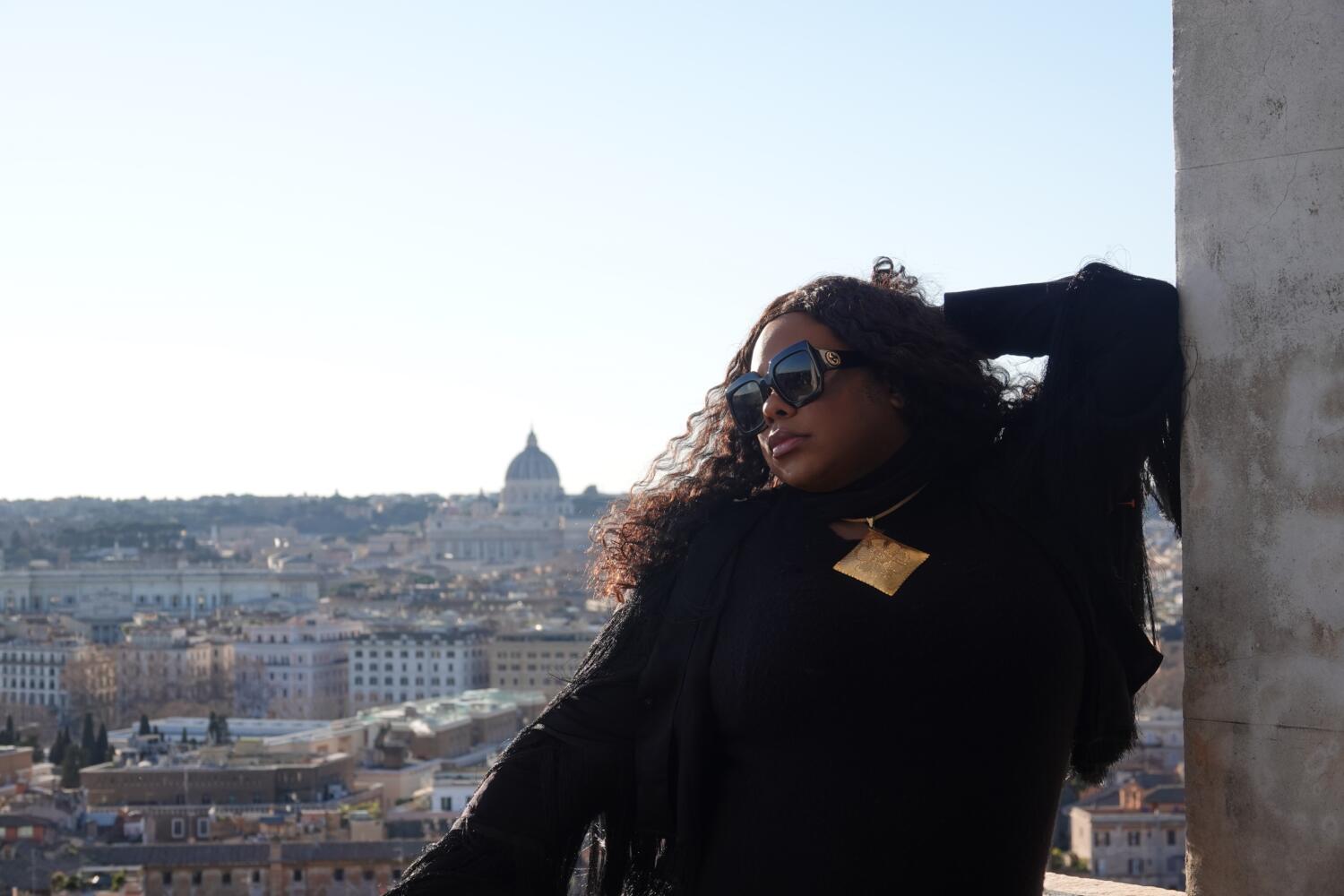
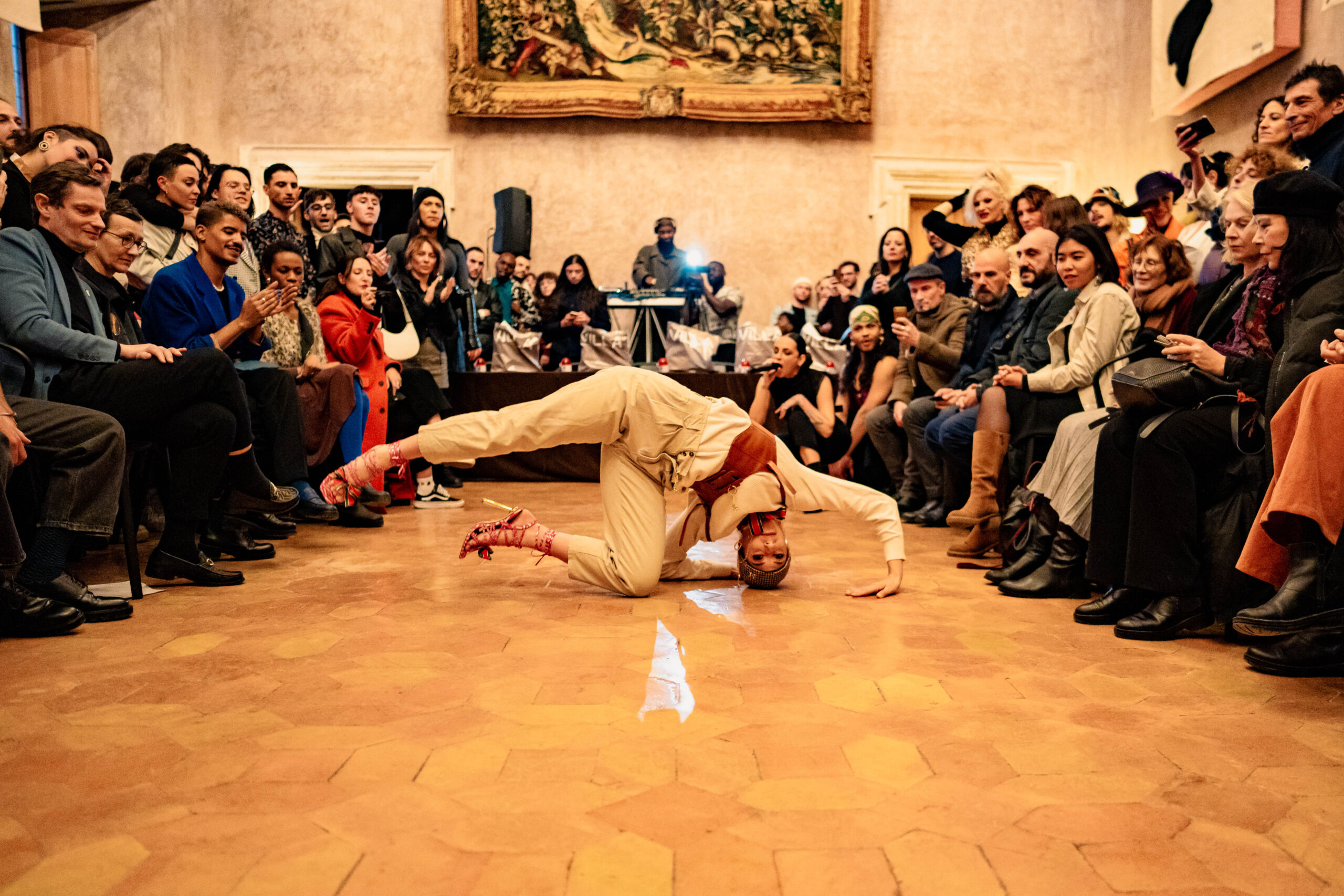
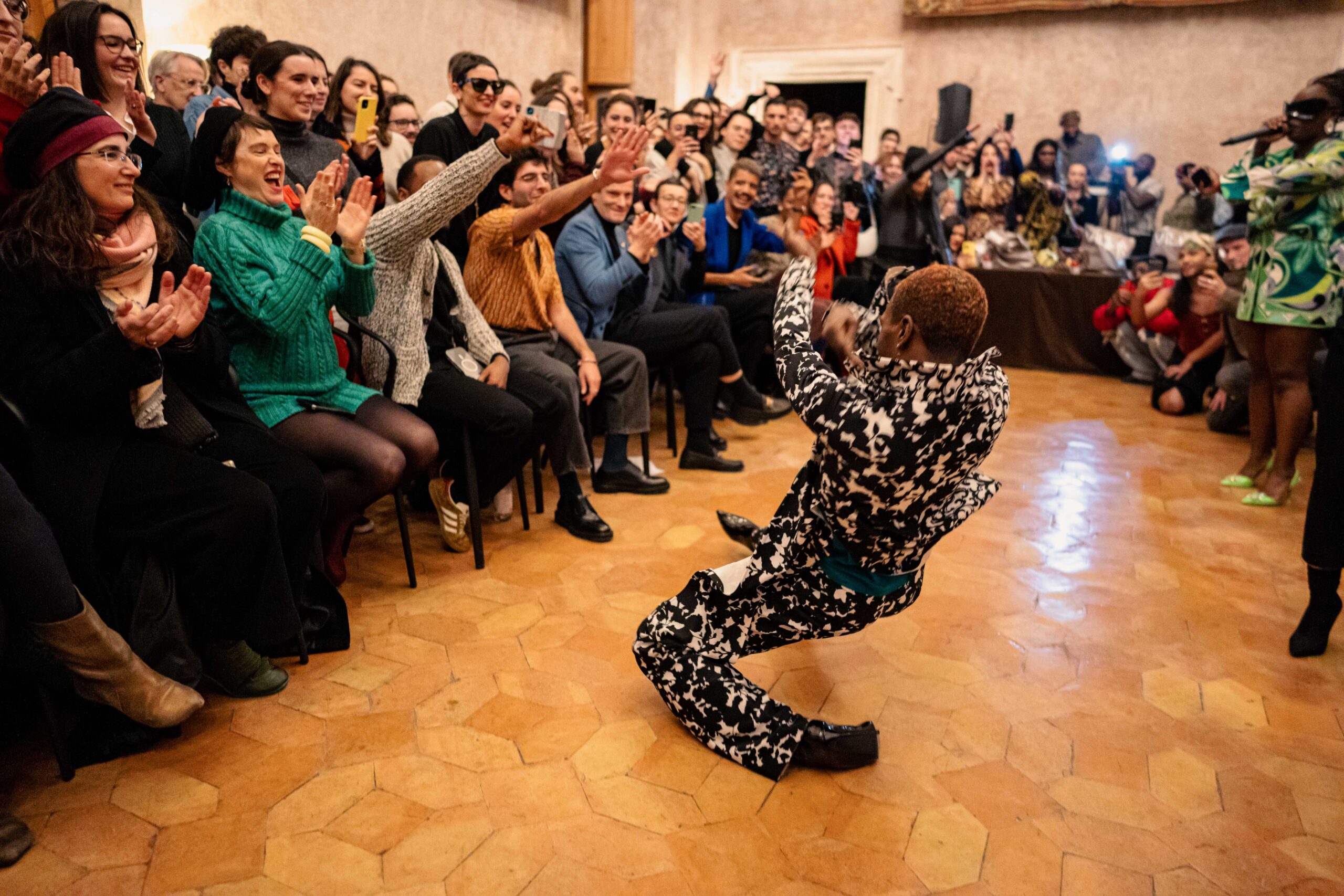
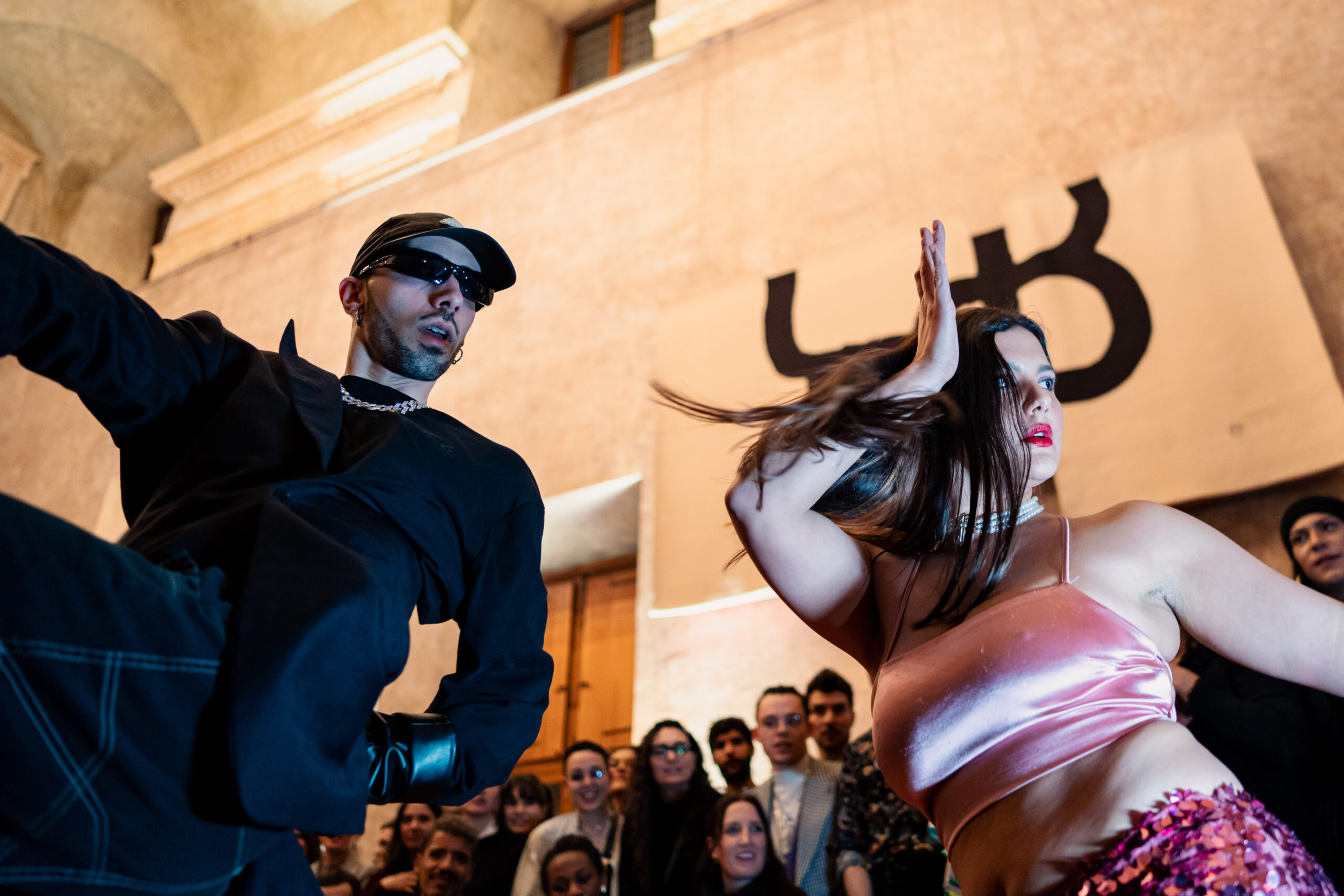
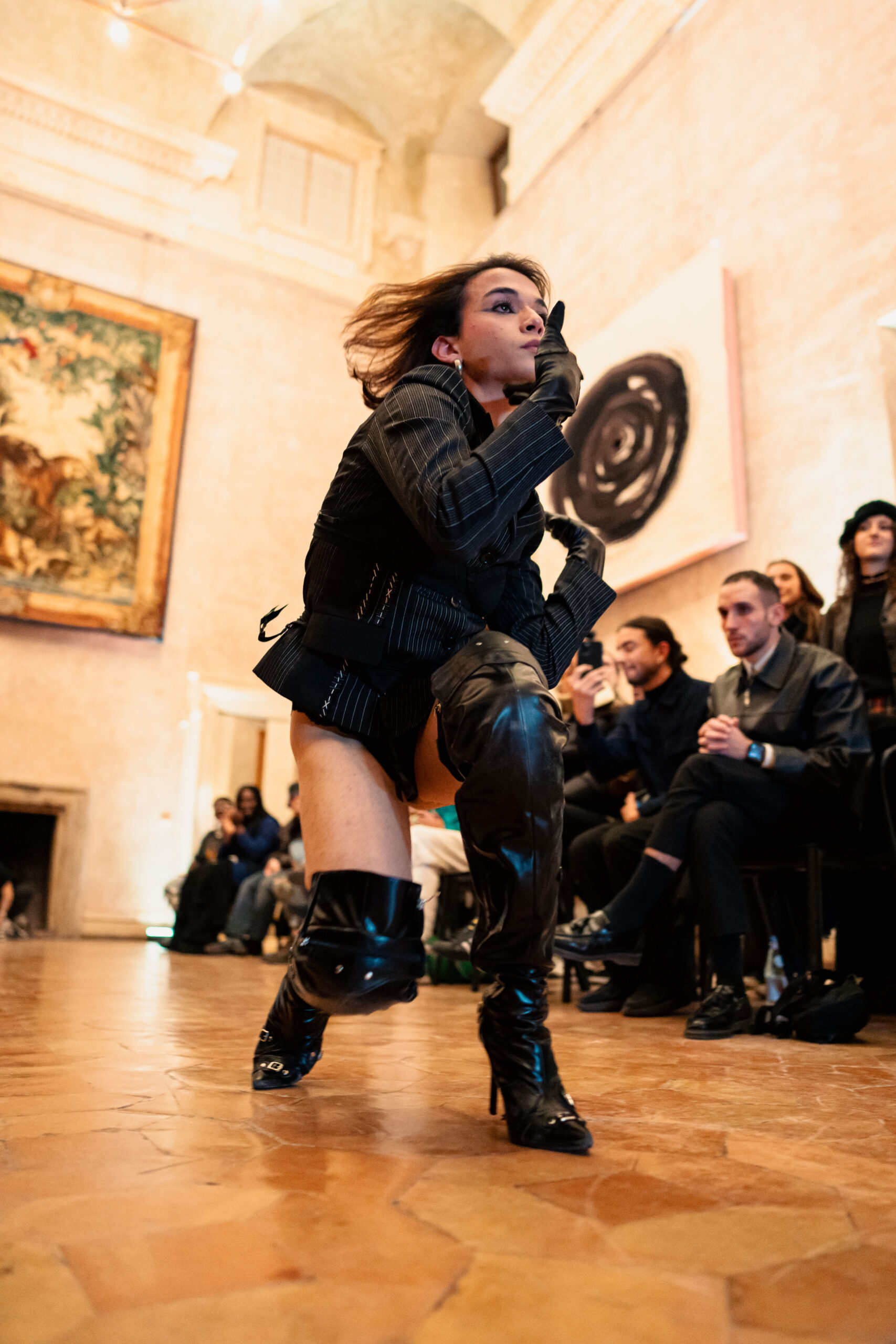
Lasseindra Ninja, dancer, choreographer and resident at Villa Médicis, organizes a ball in the newly refurbished Grand Salon of Villa Médicis. Ballroom, which originated in Harlem at the end of the 19th century and grew out of black LGBTQIA+ American culture, is a competition in which protagonists compete for prizes awarded by a jury in several categories, including dance, attitude and fashion. The theme of this year’s ball is Italian fashion and will feature 15 different categories.
The ballroom scene has a long history rooted in Black and Latin American LGBTQIA+ underground culture. Questioning racial and ethnic issues, gender and socially-imposed standards of beauty , ballrooms are above all spaces of subversion and expression for minority communities, in which participants, organized in “houses”, are invited to express their identities. These events, while developing their own artistic concepts and languages, have established themselves as genuine phenomena of counter-cultural and political resistance.
This event is supported by FENDI.
History of Ball culture
Ball culture, or the ballroom scene, has its origins in the “parade of the fairies “, held annually in Harlem in the late 19th century. As well as being an important social event, the parade was also a costume contest in which men paraded in women’s clothes and vice versa.
In the 1960s, this parade gradually evolved into a drag queen competition, but due to the context of racial discrimination, black drag queens were excluded from the awards. In 1972, in reaction to this inequality, Lottie and Crystal Labeija decided to create their own competition, under the Labeija entity/house, giving birth to the Ballroom. Today, more than half a decade later, the Ballroom community is global, with over 200 houses.
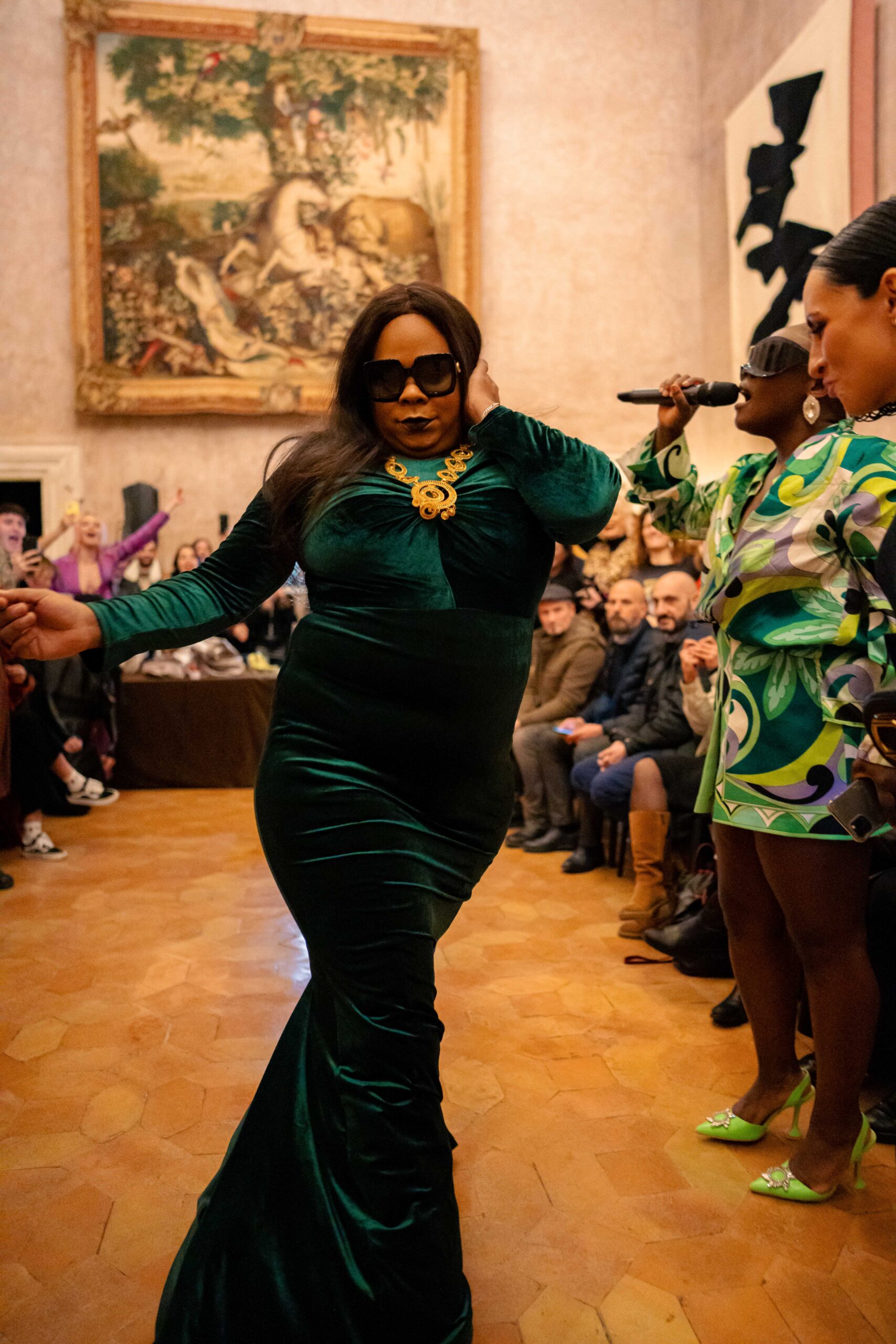
©AFR